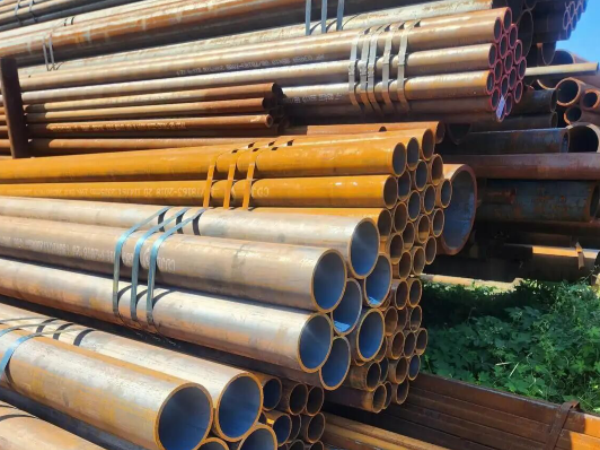
1. What Is API 5CT P110 Casing Pipe?
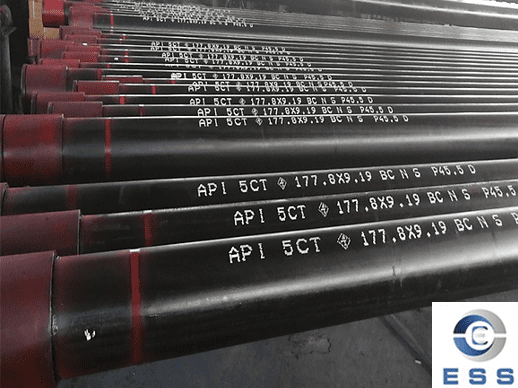
API 5CT P110 casing pipe is designed to support the wellbore, isolate formations, prevent formation collapse, and withstand the high pressures encountered in deep drilling environments.
The designation P110 refers to the steel grade, which provides a minimum yield strength of 110,000 psi (758 MPa). Compared with lower grades such as J55, K55, N80, and L80, P110 offers higher strength and is commonly selected for deeper wells, high-pressure reservoirs, and other applications requiring greater collapse and tensile resistance.
API 5CT P110 is available as both casing pipe and tubing. While they are manufactured to the same material grade, casing is used to stabilize the wellbore, whereas tubing transports oil or gas from the reservoir to the surface.
Depending on project requirements, P110 casing can be supplied with STC, LTC, BTC, or premium connections in a range of sizes specified by API 5CT.
2. API 5CT P110 Casing Pipe Specification Chart
The table below provides an overview of API 5CT P110 casing specifications. Detailed casing sizes and technical data are presented in the following sections.
|
Property
|
Requirement
|
|
Yield Strength
|
110,000–140,000 psi (758–965 MPa)
|
|
Tensile Strength
|
≥125,000 psi (862 MPa)
|
|
Heat Treatment
|
Quenched and Tempered (Q&T)
|
|
Hardness
|
According to API 5CT requirements
|
3. API 5CT P110 Casing Size Chart
|
OD (in.)
|
Nominal Weight (lb/ft)
|
OD (mm)
|
Weight (kg/m)
|
Wall Thickness (mm)
|
Thread Type
|
|
4-1/2
|
9.5
|
114.3
|
14.14
|
5.21
|
—
|
|
4-1/2
|
10.5
|
114.3
|
15.63
|
5.69
|
—
|
|
4-1/2
|
11.6
|
114.3
|
17.26
|
6.35
|
LB
|
|
4-1/2
|
13.5
|
114.3
|
20.09
|
7.37
|
—
|
|
4-1/2
|
15.1
|
114.3
|
22.47
|
8.56
|
LB
|
|
5
|
11.5
|
127.0
|
17.11
|
5.59
|
—
|
|
5
|
13.0
|
127.0
|
19.35
|
6.43
|
—
|
|
5
|
15.0
|
127.0
|
22.32
|
7.52
|
—
|
|
5
|
18.0
|
127.0
|
26.79
|
9.19
|
—
|
|
5
|
21.4
|
127.0
|
31.85
|
11.10
|
—
|
|
5
|
23.2
|
127.0
|
34.53
|
12.14
|
LB
|
|
5
|
24.1
|
127.0
|
35.86
|
12.70
|
LB
|
|
5-1/2
|
14.0
|
139.7
|
20.83
|
6.20
|
—
|
|
5-1/2
|
15.5
|
139.7
|
23.07
|
6.98
|
—
|
|
5-1/2
|
17.0
|
139.7
|
25.30
|
7.72
|
LB
|
|
5-1/2
|
20.0
|
139.7
|
29.76
|
9.17
|
—
|
|
5-1/2
|
23.0
|
139.7
|
34.23
|
10.54
|
LB
|
|
6-5/8
|
20.0
|
168.28
|
29.76
|
7.32
|
—
|
|
6-5/8
|
24.0
|
168.28
|
35.72
|
8.94
|
LB
|
|
6-5/8
|
28.0
|
168.28
|
41.67
|
10.59
|
LB
|
|
6-5/8
|
32.0
|
168.28
|
47.62
|
12.06
|
LB
|
|
7
|
17.0
|
177.8
|
25.30
|
5.87
|
—
|
|
7
|
20.0
|
177.8
|
29.76
|
6.91
|
—
|
|
7
|
23.0
|
177.8
|
34.23
|
8.05
|
—
|
|
7
|
26.0
|
177.8
|
38.69
|
9.19
|
LB
|
|
7
|
29.0
|
177.8
|
43.16
|
10.36
|
—
|
|
7
|
32.0
|
177.8
|
47.62
|
11.51
|
—
|
|
7
|
35.0
|
177.8
|
52.09
|
12.65
|
—
|
|
7-5/8
|
24.0
|
193.68
|
35.72
|
7.62
|
—
|
|
7-5/8
|
26.4
|
193.68
|
39.29
|
8.33
|
LB
|
|
7-5/8
|
29.7
|
193.68
|
44.20
|
9.52
|
LB
|
|
7-5/8
|
33.7
|
193.68
|
50.15
|
10.92
|
—
|
|
7-5/8
|
39.0
|
193.68
|
58.04
|
12.70
|
LB
|
|
7-5/8
|
42.8
|
193.68
|
63.69
|
14.27
|
—
|
|
7-5/8
|
45.3
|
193.68
|
67.41
|
15.11
|
LB
|
|
7-5/8
|
47.1
|
193.68
|
70.09
|
15.88
|
—
|
|
8-5/8
|
24.0
|
219.08
|
35.72
|
6.71
|
—
|
|
8-5/8
|
28.0
|
219.08
|
41.67
|
7.72
|
—
|
|
8-5/8
|
32.0
|
219.08
|
47.62
|
8.94
|
—
|
|
8-5/8
|
36.0
|
219.08
|
53.57
|
10.16
|
—
|
|
8-5/8
|
40.0
|
219.08
|
59.53
|
11.43
|
—
|
|
8-5/8
|
44.0
|
219.08
|
65.48
|
12.70
|
—
|
|
8-5/8
|
49.0
|
219.08
|
72.92
|
14.15
|
LB
|
|
9-5/8
|
32.3
|
244.48
|
48.07
|
7.92
|
—
|
|
9-5/8
|
36.0
|
244.48
|
53.57
|
8.94
|
—
|
|
9-5/8
|
40.0
|
244.48
|
59.53
|
10.03
|
—
|
|
9-5/8
|
43.5
|
244.48
|
64.73
|
11.05
|
—
|
|
9-5/8
|
47.0
|
244.48
|
69.94
|
11.99
|
LB
|
|
9-5/8
|
53.5
|
244.48
|
79.62
|
13.84
|
—
|
|
9-5/8
|
58.4
|
244.48
|
86.91
|
15.11
|
—
|
|
10-3/4
|
32.75
|
273.05
|
48.74
|
7.09
|
—
|
|
10-3/4
|
40.5
|
273.05
|
60.27
|
8.89
|
—
|
|
10-3/4
|
45.5
|
273.05
|
67.71
|
10.16
|
—
|
|
10-3/4
|
51.0
|
273.05
|
75.90
|
11.43
|
SB
|
|
10-3/4
|
55.5
|
273.05
|
82.59
|
12.57
|
SB
|
|
10-3/4
|
60.7
|
273.05
|
90.33
|
13.84
|
—
|
|
10-3/4
|
65.7
|
273.05
|
97.77
|
15.11
|
SB
|
|
11-3/4
|
42.0
|
298.45
|
62.50
|
8.46
|
—
|
|
11-3/4
|
47.0
|
298.45
|
69.94
|
9.53
|
—
|
|
11-3/4
|
54.0
|
298.45
|
80.36
|
11.05
|
—
|
|
11-3/4
|
60.0
|
298.45
|
89.29
|
12.42
|
—
|
|
13-3/8
|
48.0
|
339.72
|
71.43
|
8.38
|
—
|
|
13-3/8
|
54.5
|
339.72
|
81.10
|
9.65
|
—
|
|
13-3/8
|
61.0
|
339.72
|
90.78
|
10.92
|
—
|
|
13-3/8
|
68.0
|
339.72
|
101.19
|
12.19
|
—
|
|
13-3/8
|
72.0
|
339.72
|
107.15
|
13.06
|
—
|
|
16
|
65.0
|
406.40
|
96.73
|
9.53
|
—
|
|
16
|
75.0
|
406.40
|
111.61
|
11.13
|
—
|
|
16
|
84.0
|
406.40
|
125.01
|
12.57
|
—
|
|
18-5/8
|
87.5
|
473.08
|
130.21
|
11.05
|
—
|
|
20
|
94.0
|
508.00
|
139.89
|
11.13
|
—
|
|
20
|
106.5
|
508.00
|
158.49
|
12.70
|
—
|
|
20
|
133.0
|
508.00
|
197.93
|
16.13
|
—
|
4. API 5CT P110 Mechanical Properties
API 5CT P110 is a high-strength casing and tubing grade designed for deep wells and high-pressure drilling applications. To achieve the specified mechanical properties, P110 must be supplied in the quenched and tempered (Q&T) condition in accordance with API 5CT. Its high yield strength and tensile strength enable the pipe to withstand demanding downhole loads, including external pressure, axial tension, and challenging operating conditions.
|
Property
|
Requirement
|
|
Yield Strength
|
110,000–140,000 psi (758–965 MPa)
|
|
Tensile Strength
|
≥125,000 psi (862 MPa)
|
|
Heat Treatment
|
Quenched and Tempered (Q&T)
|
|
Hardness
|
According to API 5CT requirements
|
Mechanical properties are verified through mill testing before delivery to ensure compliance with API 5CT requirements.
5. Typical Chemical Composition of API 5CT P110
API 5CT controls the chemical composition of P110 casing pipe to ensure the required strength, toughness, and manufacturing consistency. The finished product must satisfy both the chemical limits and the mechanical property requirements specified by the standard.
|
Element
|
Requirement
|
|
Carbon (C)
|
≤0.35%
|
|
Manganese (Mn)
|
1.20–1.60%
|
|
Phosphorus (P)
|
≤0.020%
|
|
Sulfur (S)
|
≤0.010%
|
|
Chromium / Nickel / Molybdenum
|
As specified by API 5CT and the manufacturer
|
The chemical composition may vary between manufacturers provided the finished product meets API 5CT requirements.
6. API 5CT P110 Thread Types
API 5CT P110 casing pipe is available with several thread types designed for different well depths, pressure conditions, and connection requirements.
6.1 STC (Short Thread Casing)
STC is the standard API casing connection used in shallow and medium-depth wells. Its shorter threaded engagement allows faster make-up and is suitable for general drilling applications where extremely high tensile loads are not required.
6.2 LTC (Long Thread Casing)
LTC has a longer threaded engagement than STC, providing greater tensile capacity for deeper wells and heavier casing strings.
6.3 BTC (Buttress Thread Casing)
BTC uses a buttress thread profile that improves load distribution and is widely used in high-pressure and deep well applications requiring higher connection strength.
6.4 Premium Connections
Premium connections are proprietary designs developed by individual manufacturers. They provide improved sealing performance and are commonly used in HPHT, gas-tight, and other critical well conditions.
7. P110 Casing vs P110 Tubing
API 5CT P110 is available as both casing pipe and tubing. Although both products are manufactured to the API 5CT P110 grade, casing and tubing are designed for different functions and loading conditions in an oil and gas well. They should not be used interchangeably.
|
Item
|
P110 Casing
|
P110 Tubing
|
|
Primary Function
|
Supports the wellbore and isolates formations
|
Transports oil and gas to the surface
|
|
Installation
|
Cemented in the well
|
Suspended inside the casing string
|
|
Typical OD
|
4½–20 in.
|
1.05–4½ in.
|
|
Primary Load
|
Collapse resistance and external pressure
|
Internal pressure and tensile load
|
|
Common Connections
|
STC, LTC, BTC, Premium Connections
|
NUE, EUE, Premium Connections
|
|
Standard
|
API 5CT P110
|
API 5CT P110
|
P110 casing is engineered to withstand external formation pressure and support the wellbore, while P110 tubing is designed to carry production fluids under internal pressure. Selecting the correct product depends on the well design rather than the material grade alone.
7.1 Engineering Considerations
For deep wells, high-pressure wells, or gas wells, premium connections are often specified to provide improved sealing performance and higher connection strength than standard API threads.
Standard API 5CT P110 is generally not recommended for sour service containing hydrogen sulfide (H₂S). Where sulfide stress cracking (SSC) is a concern, materials complying with NACE MR0175 / ISO 15156 or project-specific sour-service requirements should be selected.
8. P110 vs L80 vs N80
L80, N80, and P110 are API 5CT steel grades used for casing and tubing in different well conditions. The appropriate grade depends on the required strength, service environment, and well conditions.
The table below compares the minimum yield strength and typical service conditions of the three commonly specified API 5CT grades.
|
Grade
|
Minimum Yield Strength
|
Typical Service Conditions
|
|
N80
|
80 ksi
|
Conventional oil and gas wells
|
|
L80
|
80 ksi
|
Corrosive environments and selected sour service applications
|
|
P110
|
110 ksi
|
Deep wells and high-pressure applications
|
Each API 5CT grade is intended for different well conditions. P110 has the highest minimum yield strength of the three grades and is commonly used for deep wells and high-pressure applications. However, material selection should not be based on strength alone. Service environment, operating conditions, and project specifications should all be considered when selecting the appropriate grade.
9. FAQs
Q1. What is the yield strength of API 5CT P110 casing?
API 5CT P110 casing has a minimum yield strength of 110,000 psi (758 MPa) and a minimum tensile strength of 125,000 psi (862 MPa).
Q2. Is P110 casing suitable for sour service?
Standard API 5CT P110 is generally not recommended for sour service containing hydrogen sulfide (H₂S) because it is susceptible to sulfide stress cracking (SSC). Sour service applications should follow NACE MR0175 / ISO 15156 or project specifications.
Q3. What is the difference between P110 casing and P110 tubing?
P110 casing supports the wellbore and withstands external pressure, while P110 tubing transports production fluids and primarily withstands internal pressure. They are designed for different applications and are not interchangeable.
Q4. Is P110 stronger than L80 and N80?
Yes. P110 has a minimum yield strength of 110 ksi, compared with 80 ksi for both L80 and N80. However, grade selection should consider service conditions and project requirements, not strength alone.
10. Conclusion
The information above provides a general reference for selecting API 5CT P110 casing. Final product selection should be based on well design, operating conditions, and applicable project specifications. Eastern Steel provides API 5CT P110 casing in multiple sizes, weights, and connection types, supported by technical assistance for project-specific requirements.
Read more: API 5CT K55 Casing Pipe or What Are The Types of Casing Pipe Threads?





 Eastern Steel Manufacturing Co.,Ltd not only improve product production and sales services, but also provide additional value-added services. As long as you need, we can complete your specific needs together.