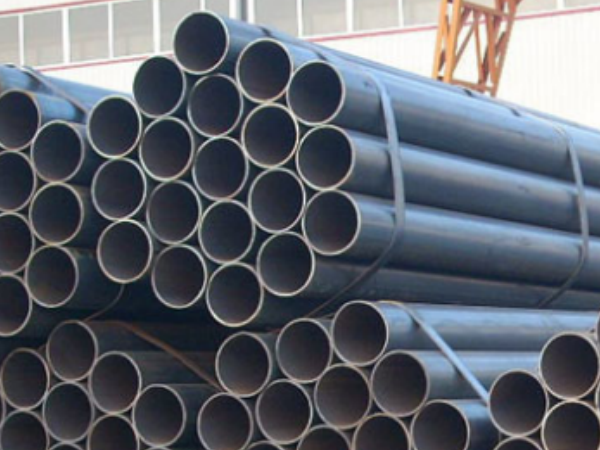
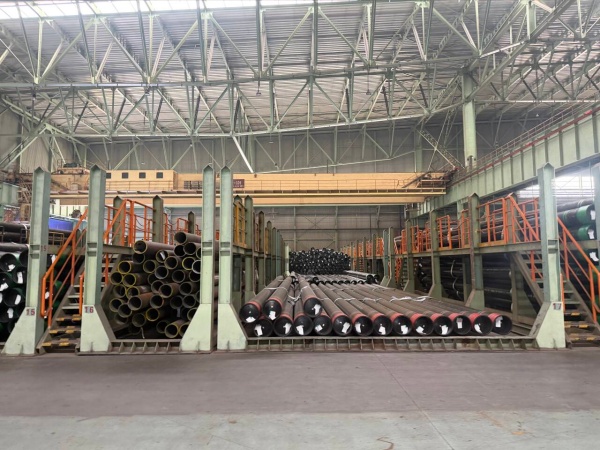
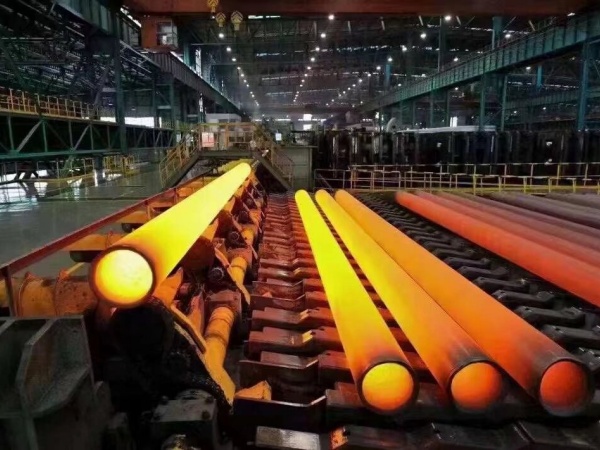
K55 casing pipe is a type of steel pipe primarily used in the oil and gas industry for
extracting hydrocarbons. It acts as a conduit, transporting oil and gas from
underground reservoirs to the surface. As a medium-strength grade, K55 strikes
a good balance between cost, strength, and manufacturability, and is widely
used in shallow and medium-pressure oil and gas wells. It is one of the most
widely used API casing pipe steel grades globally.
API Specification Scope
API 5CT specifies the delivery conditions
for steel
casing pipe and tubing used in well installations, covering pup joints,
fittings, fitting materials, and accessory materials, and establishes
requirements for three product specification levels (PSL-1, PSL-2, and PSL-3).
The requirements for PSL-1 form the basis of this standard.
PSL-1: Basic level, applicable to
conventional well conditions.
PSL-2: Adds chemical, shock, and NDT
requirements.
PSL-3: Highly acidic and highly corrosive
environments (not applicable to K55).
K55 casing pipe is only applicable to PSL-1
and PSL-2.
API Rating Grouping
The API 5CT standard classifies casing pipe
and tubing into four groups; K55 belongs to Group 1.
Group 1: All casing pipe and tubing of
grades H, J, K, N, and R
Group 2: All casing pipe and tubing of
grades C, L, M, and T
Group 3: All casing pipe and tubing of
grade P
Group 4: All casing pipe of grade Q
API 5CT Connections
API 5CT casing pipe connections must
conform to API SPEC 5B. K55 optional connections include:
SC: Short Round Thread
LC: Long Round Thread
BC: Buttress Thread
NU: Non-Upset Tubing
EU: External Upset Tubing
IJ: Integral Joint
Premium Connections (Special Threads)
K55 Casing Pipe Mechanical Properties
K55 casing pipe mechanical properties are
designed to ensure durability and reliability under a wide range of operating
conditions. Typical mechanical properties include:
Tensile strength: 655-758 MPa (95-110 ksi)
Yield strength: Minimum 379 MPa (55 ksi)
Elongation: Minimum 19% within 2 inches
K55 Casing Pipe Chemical Composition
The chemical composition of K55 casing pipe
ensures a balance of strength, toughness, and weldability. Typical chemical
compositions include:
|
Element
|
Composition (%)
|
|
Carbon (C)
|
0.28 max
|
|
Manganese (Mn)
|
1.20 max
|
|
Phosphorus (P)
|
0.030 max
|
|
Sulfur (S)
|
0.030 max
|
|
Silicon (Si)
|
0.55 max
|
Manufacturing of K55 Casing Pipe
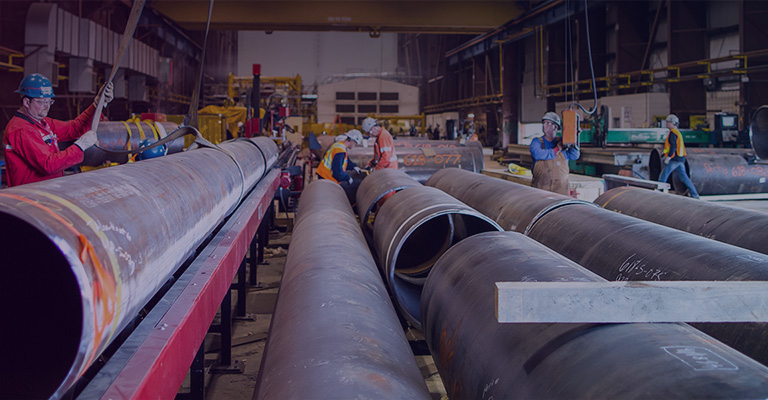
The manufacturing process of K55 casings
includes the following steps to ensure their quality and performance:
1. Steelmaking
High-quality carbon steel is produced using
processes such as electric arc furnace (EAF) or converter (BOF).
2. Forming
The steel is formed into a cylindrical
shape using processes such as seamless rolling or welding.
3. Heat Treatment
The casing undergoes heat treatment
processes such as normalizing or quenching and tempering to improve its
mechanical properties.
4. Finishing
The casing is finished to achieve the
required surface quality, dimensions, and tolerances.
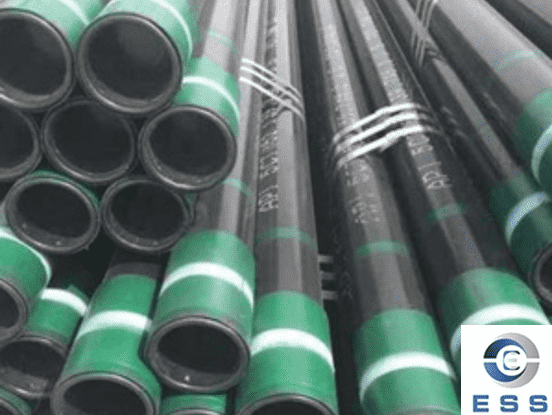
API 5CT K55 Casing Steel Color Code
|
Name
|
J55
|
K55
|
N80-1
|
N80-Q
|
L80-1
|
P110
|
|
Casing
|
a bright green band
|
two bright green bands
|
a bright red band
|
a bright red band + a green band
|
a red band + a brown band
|
a bright white band
|
|
Coupling
|
entire green coupling + a white band
|
entire green coupling
|
entire red coupling
|
entire red coupling + a green band
|
entire red coupling + a brown band
|
entire white coupling
|
API 5CT K55 Tolerance
|
Item
|
Allowable Tolerance
|
|
Outer diameter
|
Pipe body
|
D≤101.60mm±0.79mm
|
|
D≥114.30mm+1.0%
|
|
-0.50%
|
API 5CT K55 Casing Pipe Dimension
|
DN
|
O. D.
|
Weight
|
W. T.
|
|
End Machining Form
|
|
|
Steel Grade
|
|
in
|
mm
|
lb/ft
|
kg/m
|
in
|
mm
|
H40
|
J55
|
L80
|
N80
|
C90
|
P110
|
|
K55
|
T95
|
|
4 1/2
|
4.500
|
114.3
|
9.5
|
14.14
|
0.205
|
5.21
|
PS
|
PS
|
–
|
–
|
–
|
–
|
|
10.5
|
15.63
|
0.224
|
5.69
|
–
|
PSB
|
–
|
–
|
–
|
–
|
|
11.6
|
17.26
|
0.250
|
6.35
|
–
|
PSLB
|
PLB
|
PLB
|
PLB
|
PLB
|
|
13.5
|
20.09
|
0.290
|
7.37
|
–
|
–
|
PLB
|
PLB
|
PLB
|
PLB
|
|
15.1
|
22.47
|
0.337
|
9.56
|
–
|
–
|
–
|
–
|
–
|
PLB
|
|
5
|
5.000
|
127
|
11.5
|
17.11
|
0.220
|
5.59
|
–
|
PS
|
–
|
–
|
–
|
–
|
|
13
|
19.35
|
0.253
|
6.43
|
–
|
PSLB
|
–
|
–
|
–
|
–
|
|
15
|
22.32
|
0.296
|
7.52
|
–
|
PSLB
|
PLB
|
PLB
|
PLBE
|
PLB
|
|
18
|
26.79
|
0.362
|
9.19
|
–
|
–
|
PLB
|
PLB
|
PLBE
|
PLB
|
|
21.4
|
31.85
|
0.437
|
11.1
|
–
|
–
|
PLB
|
PLB
|
PLB
|
PLB
|
|
23.2
|
34.53
|
0.478
|
12.14
|
–
|
–
|
–
|
–
|
PLB
|
–
|
|
24.1
|
35.86
|
0.500
|
12.7
|
–
|
–
|
–
|
–
|
PLB
|
–
|
|
5 1/2
|
5.500
|
139.7
|
14
|
20.83
|
0.244
|
6.2
|
PS
|
PS
|
–
|
–
|
–
|
–
|
|
15.5
|
23.07
|
0.275
|
6.98
|
–
|
PSLB
|
–
|
–
|
–
|
–
|
|
17
|
25.3
|
0.304
|
7.72
|
–
|
PSLB
|
PLB
|
PLB
|
PLBE
|
PLB
|
|
20
|
29.76
|
0.361
|
9.17
|
–
|
–
|
PLB
|
PLB
|
PLBE
|
PLB
|
|
23
|
34.23
|
0.415
|
10.54
|
–
|
–
|
PLB
|
PLB
|
PLBE
|
PLB
|
|
26.8
|
39.88
|
0.500
|
12.7
|
–
|
–
|
–
|
–
|
–
|
–
|
|
29.7
|
44.2
|
0.562
|
14.27
|
–
|
–
|
–
|
–
|
–
|
–
|
|
32.6
|
48.51
|
0.625
|
15.88
|
–
|
–
|
–
|
–
|
–
|
–
|
|
35.3
|
52.53
|
0.687
|
17.45
|
–
|
–
|
–
|
–
|
–
|
–
|
|
38
|
56.55
|
0.750
|
19.05
|
–
|
–
|
–
|
–
|
–
|
–
|
|
40.5
|
60.27
|
0.812
|
20.62
|
–
|
–
|
–
|
–
|
–
|
–
|
|
43.1
|
64.14
|
0.875
|
22.22
|
–
|
–
|
–
|
–
|
–
|
–
|
|
6 5/8
|
6.625
|
168.28
|
20
|
29.76
|
0.288
|
7.32
|
PS
|
PSLB
|
–
|
–
|
–
|
–
|
|
24
|
35.72
|
0.352
|
8.94
|
–
|
PSLB
|
PLB
|
PLB
|
PLBE
|
PLB
|
|
28
|
41.67
|
0.417
|
10.59
|
–
|
–
|
PLB
|
PLB
|
PLBE
|
PLB
|
|
32
|
47.62
|
0.475
|
12.06
|
–
|
–
|
PLB
|
PLB
|
PLBE
|
PLB
|
|
7
|
7.000
|
177.8
|
17
|
25.3
|
0.231
|
5.87
|
PS
|
–
|
–
|
–
|
–
|
–
|
|
20
|
29.76
|
0.272
|
6.91
|
PS
|
PS
|
–
|
–
|
–
|
–
|
|
23
|
34.23
|
0.317
|
8.05
|
–
|
PSLB
|
PLB
|
PLB
|
PLBE
|
–
|
|
26
|
38.69
|
0.362
|
9.19
|
–
|
PSLB
|
PLB
|
PLB
|
PLBE
|
PLB
|
|
29
|
43.16
|
0.408
|
10.36
|
–
|
–
|
PLB
|
PLB
|
PLBE
|
PLB
|
|
32
|
47.62
|
0.453
|
11.51
|
–
|
–
|
PLB
|
PLB
|
PLBE
|
PLB
|
|
35
|
52.09
|
0.498
|
12.65
|
–
|
–
|
PLB
|
PLB
|
PLBE
|
PLB
|
|
38
|
56.55
|
0.540
|
13.72
|
–
|
–
|
PLB
|
PLB
|
PLBE
|
PLB
|
|
42.7
|
63.54
|
0.625
|
15.88
|
–
|
–
|
–
|
–
|
–
|
–
|
|
46.4
|
69.05
|
0.687
|
17.45
|
–
|
–
|
–
|
–
|
–
|
–
|
|
50.1
|
74.56
|
0.750
|
19.05
|
–
|
–
|
–
|
–
|
–
|
–
|
|
53.6
|
79.77
|
0.812
|
20.62
|
–
|
–
|
–
|
–
|
–
|
–
|
|
57.1
|
84.97
|
0.875
|
22.22
|
–
|
–
|
–
|
–
|
–
|
–
|
|
7 5/8
|
7.625
|
193.68
|
24
|
35.72
|
0.300
|
7.62
|
PS
|
–
|
–
|
–
|
–
|
–
|
|
26.4
|
39.29
|
0.328
|
8.33
|
–
|
PSLB
|
PLB
|
PLB
|
PLBE
|
PLB
|
|
29.7
|
44.2
|
0.375
|
9.52
|
–
|
–
|
PLB
|
PLB
|
PLBE
|
PLB
|
|
33.7
|
50.15
|
0.430
|
10.92
|
–
|
–
|
PLB
|
PLB
|
PLBE
|
PLB
|
|
39
|
58.05
|
0.500
|
12.7
|
–
|
–
|
PLB
|
PLB
|
PLBE
|
PLB
|
|
42.8
|
63.69
|
0.562
|
14.27
|
–
|
–
|
PLB
|
PLB
|
PLB
|
PLB
|
|
45.3
|
67.41
|
0.595
|
15.11
|
–
|
–
|
PLB
|
PLB
|
PLB
|
PLB
|
|
47.1
|
70.09
|
0.625
|
15.88
|
–
|
–
|
PLB
|
PLB
|
PLB
|
PLB
|
|
51.2
|
76.19
|
0.687
|
17.45
|
–
|
–
|
–
|
–
|
–
|
–
|
|
55.3
|
80.3
|
0.750
|
19.05
|
–
|
–
|
–
|
–
|
–
|
–
|
|
8 5/8
|
8.625
|
219.08
|
24
|
35.72
|
0.264
|
6.71
|
–
|
PS
|
–
|
–
|
–
|
–
|
|
28
|
41.62
|
0.304
|
7.72
|
PS
|
–
|
–
|
–
|
–
|
–
|
|
32
|
47.62
|
0.352
|
8.94
|
PS
|
PSLB
|
–
|
–
|
–
|
–
|
|
36
|
53.57
|
0.400
|
10.16
|
–
|
PSLB
|
PLB
|
PLB
|
PLBE
|
PLB
|
|
40
|
59.53
|
0.450
|
11.43
|
–
|
–
|
PLB
|
PLB
|
PLBE
|
PLB
|
|
44
|
65.48
|
0.500
|
12.7
|
–
|
–
|
PLB
|
PLB
|
PLBE
|
PLB
|
|
49
|
72.92
|
0.557
|
14.15
|
–
|
–
|
PLB
|
PLB
|
PLBE
|
PLB
|
|
9 5/8
|
9.625
|
244.48
|
32.3
|
48.07
|
0.312
|
7.92
|
PS
|
–
|
–
|
–
|
–
|
–
|
|
36
|
53.57
|
0.352
|
8.94
|
PS
|
PSLB
|
–
|
–
|
–
|
–
|
|
40
|
59.53
|
0.395
|
10.03
|
–
|
PSLB
|
PLB
|
PLB
|
PLBE
|
–
|
|
43.5
|
64.73
|
0.435
|
11.05
|
–
|
–
|
PLB
|
PLB
|
PLBE
|
PLB
|
|
47
|
69.94
|
0.472
|
11.99
|
–
|
–
|
PLB
|
PLB
|
PLBE
|
PLB
|
|
53.5
|
79.62
|
0.545
|
13.84
|
–
|
–
|
PLB
|
PLB
|
PLBE
|
PLB
|
|
58.4
|
86.91
|
0.595
|
15.11
|
–
|
–
|
PLB
|
PLB
|
PLB
|
PLB
|
|
59.4
|
88.4
|
0.609
|
15.47
|
–
|
–
|
–
|
–
|
–
|
–
|
|
64.9
|
96.58
|
0.672
|
17.07
|
–
|
–
|
–
|
–
|
–
|
–
|
|
70.3
|
104.62
|
0.734
|
18.64
|
–
|
–
|
–
|
–
|
–
|
–
|
|
75.6
|
112.5
|
0.797
|
20.24
|
–
|
–
|
–
|
–
|
–
|
–
|
|
10 3/4
|
10.750
|
273.05
|
32.75
|
48.74
|
0.279
|
7.09
|
PS
|
–
|
–
|
–
|
–
|
–
|
|
40.5
|
60.27
|
0.350
|
8.89
|
PS
|
PSB
|
–
|
–
|
–
|
–
|
|
15.5
|
67.71
|
0.400
|
10.16
|
–
|
PSB
|
–
|
–
|
–
|
–
|
|
51
|
75.9
|
0.450
|
11.43
|
–
|
PSB
|
PSB
|
PSB
|
PSBE
|
PSB
|
|
55.5
|
82.59
|
0.495
|
12.57
|
–
|
–
|
PSB
|
PSB
|
PSBE
|
PSB
|
|
60.7
|
90.33
|
0.545
|
13.84
|
–
|
–
|
–
|
–
|
PSBE
|
PSB
|
|
65.7
|
97.77
|
0.595
|
15.11
|
–
|
–
|
–
|
–
|
PSB
|
PSB
|
|
73.2
|
108.93
|
0.672
|
17.07
|
–
|
–
|
–
|
–
|
–
|
–
|
|
79.2
|
117.86
|
0.734
|
18.64
|
–
|
–
|
–
|
–
|
–
|
–
|
|
85.3
|
126.94
|
0.797
|
20.24
|
–
|
–
|
–
|
–
|
–
|
–
|
|
11 3/4
|
11.750
|
|
42
|
62.5
|
0.333
|
8.46
|
PS
|
–
|
–
|
–
|
–
|
–
|
|
47
|
69.94
|
0.375
|
20.24
|
–
|
–
|
–
|
–
|
–
|
–
|
|
54
|
80.36
|
0.435
|
8.46
|
–
|
–
|
–
|
–
|
–
|
–
|
|
60
|
89.29
|
0.489
|
9.53
|
–
|
–
|
–
|
–
|
–
|
–
|
|
65
|
96.73
|
0.534
|
11.05
|
–
|
–
|
–
|
–
|
–
|
–
|
|
71
|
105.66
|
0.582
|
14.42
|
–
|
–
|
–
|
–
|
–
|
–
|
|
13 3/8
|
13.375
|
339.73
|
48
|
71.43
|
0.330
|
8.38
|
PS
|
–
|
–
|
–
|
–
|
–
|
|
54.5
|
81.1
|
0.380
|
9.65
|
–
|
PSB
|
–
|
–
|
–
|
–
|
|
61
|
90.78
|
0.430
|
10.92
|
–
|
PSB
|
–
|
–
|
–
|
–
|
|
68
|
101.19
|
0.480
|
12.19
|
–
|
PSB
|
PSB
|
PSB
|
PSB
|
PSB
|
|
72
|
107.15
|
0.514
|
13.06
|
–
|
–
|
PSB
|
PSB
|
PSB
|
PSB
|
|
16
|
16.000
|
406.4
|
65
|
96.73
|
0.375
|
9.53
|
PS
|
–
|
–
|
–
|
–
|
–
|
|
75
|
111.61
|
0.438
|
11.13
|
–
|
PSB
|
–
|
–
|
–
|
–
|
|
84
|
125.01
|
0.495
|
12.57
|
–
|
PSB
|
–
|
–
|
–
|
–
|
|
109
|
162.21
|
0.656
|
16.66
|
–
|
P
|
P
|
P
|
–
|
P
|
|
18 5/8
|
18.625
|
473.08
|
87.5
|
130.21
|
0.435
|
11.05
|
PS
|
PSB
|
–
|
–
|
–
|
–
|
|
20
|
20.000
|
508
|
94
|
139.89
|
0.438
|
11.13
|
PSL
|
PSLB
|
–
|
–
|
–
|
–
|
|
106.5
|
158.49
|
0.500
|
12.7
|
–
|
PSLB
|
–
|
–
|
–
|
–
|
|
133
|
197.93
|
0.635
|
16.13
|
–
|
PSLB
|
–
|
–
|
–
|
–
|
|
P——Plain;S——Short-thread;L——Long-thread;B——Buttress thread;E——Extreme thread
|
J55 and K55 have similar chemical
compositions and mechanical properties, but J55 has lower minimum tensile
strength requirements and elongation. Other specifications are the same, such
as heat treatment methods, non-destructive testing, Charpy impact testing, and
hydrostatic testing.
Minimum yield strength of J55/K55: 379-552
MPa;
Minimum tensile strength of J55: 517 MPa,
elongation ≥ 19%;
Minimum tensile strength of K55: 655 MPa,
elongation ≥ 15%.
PSL1 vs. PSL2 Heat Treatment
Requirements
PSL1: Delivered hot-rolled, without heat
treatment;
PSL2: K55 casing pipes should be normalized
along their entire length or normalized and tempered; if thickening is
required, it should be done after normalizing or normalized and tempered.
Charpy Impact Test
Pipe Body:
Full Size ≥ 27 J
Size Specimen ≥ 20
J
Couplings:
Longitudinal Specimen
≥ 27 J (Full Size)
Non-Destructive Testing
J55/K55 PSL1: No mandatory non-destructive
testing requirements.
J55/K55 PSL2: All grades of pipes shall be
inspected for longitudinal defects on their internal and external surfaces
using one or more of the following methods to meet L4 acceptance criteria:
1. Ultrasonic testing according to ISO 9303
or ASTM E213;
2. Magnetic flux leakage testing according
to ISO 9402 or ASTM E570;
3. Eddy current concentric coil testing
according to ISO 9304 or ASTM E309;
4. Magnetic particle testing of the outer
surface of the pipe according to ISO 13665 or ASTM E709.
FAQ
1. What is the API 5CT K55
casing pipe price?
Prices are affected by the following
factors: outer diameter & wall thickness, PSL-1 / PSL-2, thread type (BTC /
LTC / STC / Premium), whether couplings are included, order quantity & lead
time.
K55 is typically 3–8%
more expensive than J55.
2. Is a coupling mandatory for API 5CT K55 casing
pipe?
Yes.
API 5CT casing pipe typically uses an
external thread + coupling connection. The coupling material must be consistent
with the casing pipe steel grade and pass the same standard testing.
3. What are the main differences between
K55 and P110
casing pipe?
K55: Low strength grade (approximately 55
ksi yield strength), suitable for shallow/light well conditions.
P110: High strength grade (approximately
110 ksi yield strength), suitable for deep/high-load well conditions.



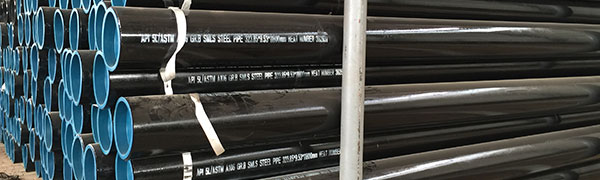


 Eastern Steel Manufacturing Co.,Ltd not only improve product production and sales services, but also provide additional value-added services. As long as you need, we can complete your specific needs together.