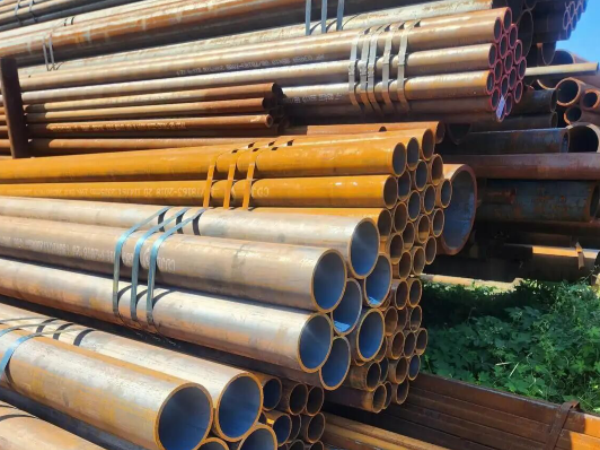
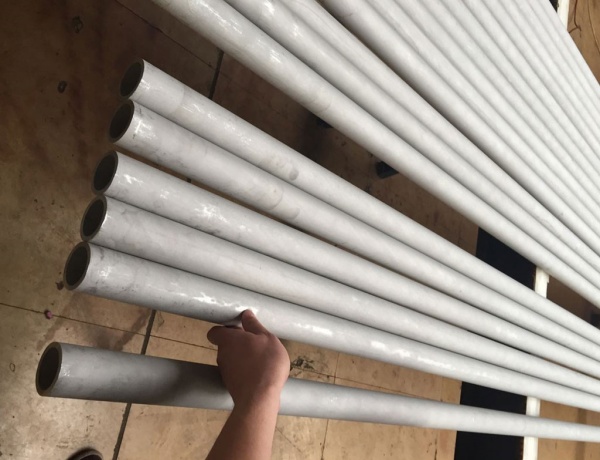
ASTM A213/A213M covers seamless ferritic and austenitic steel tubes for boilers, superheaters and heat exchangers. This guide compares grades T11, T22, TP304 and TP316, with details on their composition, heat treatment, dimensions and testing requirements.
1. What Is ASTM A213?
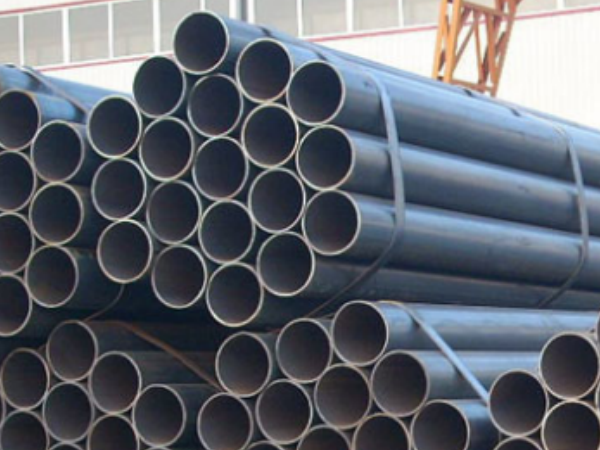
ASTM A213/A213M covers seamless ferritic and austenitic alloy-steel tubes intended for boiler, superheater, and heat-exchanger service. The specification establishes requirements for chemical composition, heat treatment, mechanical properties, and testing.
2. ASTM A213 Tube Grades: T11, T22, TP304 and TP316
ASTM A213 includes ferritic alloy-steel and austenitic stainless steel grades. The following table summarizes the main characteristics and typical uses of T11, T22, TP304, and TP316.
2.1 ASTM A213 T11 Alloy Steel Tube
ASTM A213 T11 is a chromium-molybdenum alloy steel tube grade with a nominal composition of approximately 1.25% chromium and 0.5% molybdenum. It is used in boiler, superheater, and heat-exchanger components exposed to elevated temperatures.
2.2 ASTM A213 T22 Alloy Steel Tube
ASTM A213 T22 tubes contain approximately 2.25% chromium and 1% molybdenum. Compared with T11, the higher chromium content generally improves oxidation resistance at elevated temperatures.
2.3 ASTM A213 TP304 Stainless Steel Tube
ASTM A213 TP304 is an austenitic stainless steel grade with general corrosion resistance and good formability. TP304 seamless tubes are commonly used in heat exchangers and process equipment handling mildly corrosive media. In chloride-containing environments, resistance to localized pitting depends on chloride concentration and temperature.
2.4 ASTM A213 TP316 Stainless Steel Tube
ASTM A213 TP316 is a molybdenum-bearing austenitic stainless steel grade, typically containing 2–3% molybdenum. Compared with TP304, the added molybdenum improves resistance to pitting and crevice corrosion. It is frequently considered for heat exchangers and process equipment exposed to chloride-bearing fluids.
3. T11 vs T22 and TP304 vs TP316
3.1 T11 vs. T22 (Chromium-Molybdenum Alloy Steels)
T11 and T22 are both used in elevated-temperature boiler and superheater service. T22's higher chromium content generally provides better oxidation resistance at elevated temperatures, while the final choice depends on design conditions and applicable code requirements.
3.2 TP304 vs. TP316 (Austenitic Stainless Steels)
TP304 is commonly used in heat exchangers and process equipment handling mildly corrosive media. TP316 contains molybdenum, which generally improves resistance to pitting and crevice corrosion in chloride-containing environments.
4. ASTM A213 Specifications, Dimensions and Testing
4.1 Manufacturing and Heat Treatment
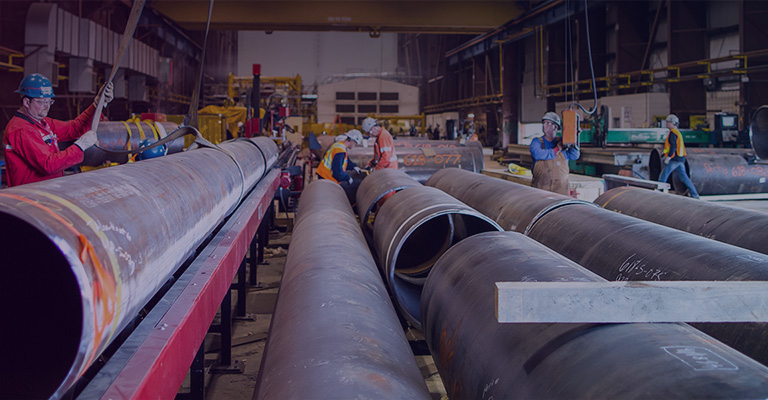
ASTM A213 tubes are manufactured by seamless processes and supplied in hot-finished or cold-finished condition. For general information on seamless steel tube, see our product range.
T11 and T22 require grade-specific heat treatment for ferritic alloy steels, typically involving normalizing and tempering. TP304 and TP316 are supplied in a heat-treated condition, generally involving solution treatment followed by rapid cooling. The exact treatment must comply with the requirements for the specified grade.
4.2 Tube Dimensions and Wall Thickness
ASTM A213/A213M commonly covers tube sizes from approximately 3.2 mm inside diameter to 127 mm outside diameter, with wall thicknesses of 0.4–12.7 mm. These are typical size ranges rather than absolute limits for every order.
Wall thickness is an important ordering detail. ASTM A213/A213M specifies minimum wall thickness unless average wall thickness is specified in the order. These requirements have different dimensional tolerances, which can affect material quantity and weight calculations. Buyers should state the required outside diameter, wall thickness basis, dimensional tolerances, and applicable ASTM A213/A213M edition when requesting a quotation.
For an overview of other heat exchanger tube standards and dimensional ranges, see our guide to heat exchanger tube specifications and standards.
4.3 Mechanical and Integrity Testing
ASTM A213 includes tensile, hardness, flattening, and flaring tests, with specimen selection and test frequency governed by the applicable requirements. Each finished tube must also undergo either a hydrostatic test or a permitted nondestructive electric test to check its integrity. These are alternative requirements; the standard does not require every tube to undergo both tests. The specified test method and any additional inspection requirements should be confirmed in the purchase order.
5. Applications of ASTM A213 Boiler and Heat Exchanger Tubes
Boilers and SuperheatersT11 and T22 are chromium-molybdenum alloy steel grades used in elevated-temperature boiler components, including superheater and reheater tubes.
Heat Exchangers and CondensersTP304 and TP316 are used in heat-transfer equipment where corrosion resistance is important.
Industrial Heat-Transfer EquipmentASTM A213 grades are also used in other equipment covered by the specification, including applicable economizer and process-heating systems.
6. Frequently Asked Questions
1. What Is the Difference Between ASTM A213 and ASTM A312?
ASTM A213 covers boiler, superheater, and heat-exchanger tubes, while ASTM A312 covers austenitic stainless steel pipe for high-temperature and corrosive service.
2. Are ASTM A213 Tubes Seamless?
Yes. ASTM A213 covers seamless ferritic and austenitic alloy-steel tubes in hot-finished or cold-finished conditions.
3. What Dimensions Are Available for ASTM A213 Tubes?
Commonly supplied dimensions range from small-bore tubes to sizes around 127 mm in outside diameter. The available dimensions and wall thicknesses should be confirmed against the applicable standard and purchase requirements.
4. What Information Is Needed When Ordering ASTM A213 Tubes?
Specify the grade, outside diameter, wall thickness, length, quantity, delivery condition, and required testing.



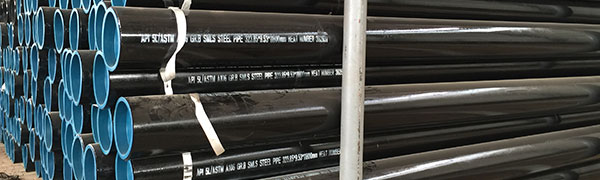
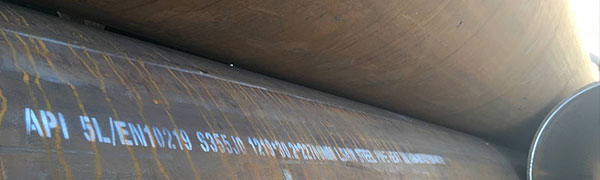


 Eastern Steel Manufacturing Co.,Ltd not only improve product production and sales services, but also provide additional value-added services. As long as you need, we can complete your specific needs together.