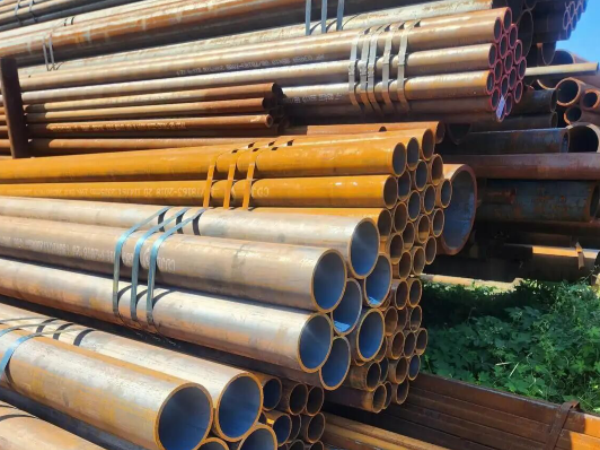
API 5CT L80 casing pipe is a medium-strength OCTG grade specified by API 5CT, commonly used in oil and gas wells where strength, toughness, and corrosion resistance must be balanced.
With a minimum yield strength of 80 ksi (552 MPa), L80 is widely selected for sour service, CO₂-containing environments, and applications requiring controlled hardness.
It is commonly used in onshore and offshore oil and gas wells where service life and corrosion management are important design considerations.
1. L80 Grade Overview
API 5CT classifies L80 into three types: L80-1, L80 9Cr, and L80 13Cr. Although all L80 grades meet the same 80 ksi minimum yield strength requirement, chromium content and corrosion resistance vary significantly among the three variants.
|
Grade
|
Minimum Yield Strength
|
Corrosion Resistance
|
Typical Service
|
|
L80-1
|
80 ksi
|
Standard
|
Conventional oil and gas wells
|
|
L80 9Cr
|
80 ksi
|
Improved
|
CO₂-containing environments
|
|
L80 13Cr
|
80 ksi
|
Higher
|
Corrosive production environments
|
1.1 L80-1
L80-1 is the standard carbon or low-alloy version of the L80 grade and is widely used in conventional oil and gas wells.
Compared with L80 9Cr and L80 13Cr, it offers lower material cost and broader availability, making it a common choice for non-corrosive production environments.
1.2 L80 9Cr
L80 9Cr contains 8–10% chromium and is primarily used in wells where CO₂ corrosion is a design concern.
Compared with L80-1, it provides improved corrosion resistance while remaining more economical than L80 13Cr, making it a practical solution for moderately corrosive service conditions.
1.3 L80 13Cr
L80 13Cr is typically selected for wells where long-term corrosion control is critical.
Its higher chromium content improves resistance to CO₂-related corrosion and extends service life in aggressive production environments.
2. L80 Casing Pipe Chemical Composition
The chemical composition requirements for API 5CT L80 grades are shown below.
|
Element
|
L80-1 (%)
|
L80 9Cr (%)
|
L80 13Cr (%)
|
|
Carbon (C)
|
≤ 0.43
|
≤ 0.15
|
≤ 0.15
|
|
Manganese (Mn)
|
≤ 1.90
|
≤ 1.00
|
≤ 1.00
|
|
Phosphorus (P)
|
≤ 0.030
|
≤ 0.020
|
≤ 0.020
|
|
Sulfur (S)
|
≤ 0.030
|
≤ 0.010
|
≤ 0.010
|
|
Silicon (Si)
|
≤ 0.45
|
≤ 1.00
|
≤ 1.00
|
|
Chromium (Cr)
|
≤ 0.25
|
8.00–10.00
|
12.00–14.00
|
|
Nickel (Ni)
|
≤ 0.25
|
≤ 0.50
|
≤ 0.50
|
|
Molybdenum (Mo)
|
≤ 0.35
|
≤ 0.50
|
≤ 0.50
|
|
Copper (Cu)
|
≤ 0.25
|
—
|
—
|
The primary difference among the three grades is chromium content, which directly affects corrosion resistance and service suitability.

3. Mechanical Properties of L80 Casing Pipe
The mechanical properties of API 5CT L80 are specified to provide adequate strength for casing and tubing applications in medium-depth oil and gas wells.
Property: Value
Yield Strength: ≥ 80 ksi (552 MPa)
Tensile Strength: 95–110 ksi (655–758 MPa)
Elongation: ≥ 15%
4. L80 vs N80
Although L80 and N80 share the same minimum yield strength of 80 ksi, L80 is generally preferred for sour service and corrosion-sensitive applications because API 5CT imposes hardness restrictions on L80 products.
N80 is commonly selected for conventional oil and gas wells where corrosion resistance is not a major concern and lower cost is preferred.
|
Property
|
L80
|
N80
|
|
Minimum Yield Strength
|
80 ksi
|
80 ksi
|
|
Tensile Strength
|
95–110 ksi
|
100–120 ksi
|
|
Hardness Control
|
Yes
|
No
|
|
Sour Service Suitability
|
Better
|
Limited
|
|
Corrosion Resistance
|
Higher (9Cr / 13Cr options available)
|
Standard carbon steel
|
|
Typical Application
|
Sour wells, corrosive environments
|
Conventional oil and gas wells
|
5. L80 vs P110
L80 and P110 are both API 5CT casing grades, but they serve different strength requirements. P110 is a higher-strength API 5CT grade commonly used in deep, high-pressure, and high-load well designs.
|
Property
|
L80
|
P110
|
|
Minimum Yield Strength
|
80 ksi
|
110 ksi
|
|
Tensile Strength
|
95–110 ksi
|
125 ksi min
|
|
Hardness Control
|
Yes
|
No
|
|
Collapse Resistance
|
Standard
|
Higher
|
|
Burst Resistance
|
Standard
|
Higher
|
|
Typical Well Depth
|
Medium
|
Deep and ultra-deep wells
|
|
Typical Application
|
General production wells
|
High-pressure and deep wells
|
P110 is typically selected for deep, high-pressure wells, while L80 is often preferred when sour-service compatibility is a higher priority than maximum strength.
6. L80 Material Equivalent
API 5CT L80 is internationally recognized and has corresponding grades in several regional standards.
The equivalent designation may vary slightly depending on material type and local specification requirements.
|
Standard
|
Equivalent Grade
|
|
API 5CT
|
L80
|
|
ISO 11960
|
L80 Type 1
|
|
GOST 31446
|
L80 Type 1
|
|
ISO 11960
|
L80 13Cr
|
|
GOST 31446
|
L80 13Cr
|
|
GOST 31446
|
L80 9Cr
|
Comparable API 5CT Grades
|
Grade
|
Minimum Yield Strength
|
|
J55
|
55 ksi
|
|
K55
|
55 ksi
|
|
N80
|
80 ksi
|
|
L80
|
80 ksi
|
|
C90
|
90 ksi
|
|
T95
|
95 ksi
|
|
P110
|
110 ksi
|
7. Specifications and Dimensions
|
Nominal Size
|
Outside Diameter (OD)
|
Weight
|
Wall Thickness
|
End Connection
|
|
in
|
mm
|
lb/ft
|
kg/m
|
in
|
mm
|
Steel Grade L80
|
|
4 1/2
|
4.5
|
114.3
|
9.5
|
14.14
|
0.205
|
5.21
|
–
|
|
10.5
|
15.63
|
0.224
|
5.69
|
–
|
|
11.6
|
17.26
|
0.25
|
6.35
|
PLB
|
|
13.5
|
20.09
|
0.29
|
7.37
|
PLB
|
|
15.1
|
22.47
|
0.337
|
9.56
|
–
|
|
5
|
5
|
127
|
11.5
|
17.11
|
0.22
|
5.59
|
–
|
|
13
|
19.35
|
0.253
|
6.43
|
–
|
|
15
|
22.32
|
0.296
|
7.52
|
PLB
|
|
18
|
26.79
|
0.362
|
9.19
|
PLB
|
|
21.4
|
31.85
|
0.437
|
11.1
|
PLB
|
|
23.2
|
34.53
|
0.478
|
12.14
|
–
|
|
24.1
|
35.86
|
0.5
|
12.7
|
–
|
|
5 1/2
|
5.5
|
139.7
|
14
|
20.83
|
0.244
|
6.2
|
–
|
|
15.5
|
23.07
|
0.275
|
6.98
|
–
|
|
17
|
25.3
|
0.304
|
7.72
|
PLB
|
|
20
|
29.76
|
0.361
|
9.17
|
PLB
|
|
23
|
34.23
|
0.415
|
10.54
|
PLB
|
|
26.8
|
39.88
|
0.5
|
12.7
|
–
|
|
29.7
|
44.2
|
0.562
|
14.27
|
–
|
|
32.6
|
48.51
|
0.625
|
15.88
|
–
|
|
35.3
|
52.53
|
0.687
|
17.45
|
–
|
|
38
|
56.55
|
0.75
|
19.05
|
–
|
|
40.5
|
60.27
|
0.812
|
20.62
|
–
|
|
43.1
|
64.14
|
0.875
|
22.22
|
–
|
|
6 5/8
|
6.625
|
168.28
|
20
|
29.76
|
0.288
|
7.32
|
–
|
|
24
|
35.72
|
0.352
|
8.94
|
PLB
|
|
28
|
41.67
|
0.417
|
10.59
|
PLB
|
|
32
|
47.62
|
0.475
|
12.06
|
PLB
|
|
7
|
7
|
177.8
|
17
|
25.3
|
0.231
|
5.87
|
–
|
|
20
|
29.76
|
0.272
|
6.91
|
–
|
|
23
|
34.23
|
0.317
|
8.05
|
PLB
|
|
26
|
38.69
|
0.362
|
9.19
|
PLB
|
|
29
|
43.16
|
0.408
|
10.36
|
PLB
|
|
32
|
47.62
|
0.453
|
11.51
|
PLB
|
|
35
|
52.09
|
0.498
|
12.65
|
PLB
|
|
38
|
56.55
|
0.54
|
13.72
|
PLB
|
|
42.7
|
63.54
|
0.625
|
15.88
|
–
|
|
46.4
|
69.05
|
0.687
|
17.45
|
–
|
|
50.1
|
74.56
|
0.75
|
19.05
|
–
|
|
53.6
|
79.77
|
0.812
|
20.62
|
–
|
|
57.1
|
84.97
|
0.875
|
22.22
|
–
|
|
7 5/8
|
7.625
|
193.68
|
24
|
35.72
|
0.3
|
7.62
|
–
|
|
26.4
|
39.29
|
0.328
|
8.33
|
PLB
|
|
29.7
|
44.2
|
0.375
|
9.52
|
PLB
|
|
33.7
|
50.15
|
0.43
|
10.92
|
PLB
|
|
39
|
58.05
|
0.5
|
12.7
|
PLB
|
|
42.8
|
63.69
|
0.562
|
14.27
|
PLB
|
|
45.3
|
67.41
|
0.595
|
15.11
|
PLB
|
|
47.1
|
70.09
|
0.625
|
15.88
|
PLB
|
|
51.2
|
76.19
|
0.687
|
17.45
|
–
|
|
55.3
|
80.3
|
0.75
|
19.05
|
–
|
|
8 5/8
|
8.625
|
219.08
|
24
|
35.72
|
0.264
|
6.71
|
–
|
|
28
|
41.62
|
0.304
|
7.72
|
–
|
|
32
|
47.62
|
0.352
|
8.94
|
–
|
|
36
|
53.57
|
0.4
|
10.16
|
PLB
|
|
40
|
59.53
|
0.45
|
11.43
|
PLB
|
|
44
|
65.48
|
0.5
|
12.7
|
PLB
|
|
49
|
72.92
|
0.557
|
14.15
|
PLB
|
|
9 5/8
|
9.625
|
244.48
|
32.3
|
48.07
|
0.312
|
7.92
|
–
|
|
36
|
53.57
|
0.352
|
8.94
|
–
|
|
40
|
59.53
|
0.395
|
10.03
|
PLB
|
|
43.5
|
64.73
|
0.435
|
11.05
|
PLB
|
|
47
|
69.94
|
0.472
|
11.99
|
PLB
|
|
53.5
|
79.62
|
0.545
|
13.84
|
PLB
|
|
58.4
|
86.91
|
0.595
|
15.11
|
PLB
|
|
59.4
|
88.4
|
0.609
|
15.47
|
–
|
|
64.9
|
96.58
|
0.672
|
17.07
|
–
|
|
70.3
|
104.62
|
0.734
|
18.64
|
–
|
|
75.6
|
112.5
|
0.797
|
20.24
|
–
|
|
10 3/4
|
10.75
|
273.05
|
32.75
|
48.74
|
0.279
|
7.09
|
–
|
|
40.5
|
60.27
|
0.35
|
8.89
|
–
|
|
15.5
|
67.71
|
0.4
|
10.16
|
–
|
|
51
|
75.9
|
0.45
|
11.43
|
PSB
|
|
55.5
|
82.59
|
0.495
|
12.57
|
PSB
|
|
60.7
|
90.33
|
0.545
|
13.84
|
–
|
|
65.7
|
97.77
|
0.595
|
15.11
|
–
|
|
73.2
|
108.93
|
0.672
|
17.07
|
–
|
|
79.2
|
117.86
|
0.734
|
18.64
|
–
|
|
85.3
|
126.94
|
0.797
|
20.24
|
–
|
|
11 3/4
|
11.75
|
|
42
|
62.5
|
0.333
|
8.46
|
–
|
|
47
|
69.94
|
0.375
|
20.24
|
–
|
|
54
|
80.36
|
0.435
|
8.46
|
–
|
|
60
|
89.29
|
0.489
|
9.53
|
–
|
|
65
|
96.73
|
0.534
|
11.05
|
–
|
|
71
|
105.66
|
0.582
|
14.42
|
–
|
|
13 3/8
|
13.375
|
339.73
|
48
|
71.43
|
0.33
|
8.38
|
–
|
|
54.5
|
81.1
|
0.38
|
9.65
|
–
|
|
61
|
90.78
|
0.43
|
10.92
|
–
|
|
68
|
101.19
|
0.48
|
12.19
|
PSB
|
|
72
|
107.15
|
0.514
|
13.06
|
PSB
|
|
16
|
16
|
406.4
|
65
|
96.73
|
0.375
|
9.53
|
–
|
|
75
|
111.61
|
0.438
|
11.13
|
–
|
|
84
|
125.01
|
0.495
|
12.57
|
–
|
|
109
|
162.21
|
0.656
|
16.66
|
P
|
|
18 5/8
|
18.625
|
473.08
|
87.5
|
130.21
|
0.435
|
11.05
|
–
|
|
20
|
20
|
508
|
94
|
139.89
|
0.438
|
11.13
|
–
|
|
106.5
|
158.49
|
0.5
|
12.7
|
–
|
|
133
|
197.93
|
0.635
|
16.13
|
–
|
|
P——Plain;S——Short-thread;L——Long-thread;B——Buttress thread;E——Extreme thread
|
8. L80 Thread Types
API 5CT L80 casing pipe is available with several connection types depending on well design requirements.
|
Thread Type
|
Description
|
|
STC
|
Short Thread Casing
|
|
LTC
|
Long Thread Casing
|
|
BTC
|
Buttress Thread Casing
|
|
Premium Connection
|
Proprietary gas-tight and high-performance connections
|
STC and LTC are commonly used in conventional casing strings. BTC provides higher tensile efficiency than STC and LTC and is commonly used in deeper wells where connection strength is critical. Premium connections are typically specified for high-pressure, gas, deep well, or critical sealing applications.
9. Applications of L80 Casing Pipe
(1) Onshore Oil and Gas Wells
L80 is frequently used in onshore drilling projects where casing strings require higher collapse and tensile performance than J55 or K55 grades.
(2) Sour Service Wells
L80 is commonly specified for sour service wells because API 5CT imposes hardness limits that help reduce the risk of sulfide stress cracking in H₂S environments.
(3) CO₂ Corrosion Environments
L80 9Cr and L80 13Cr are commonly specified in CO₂-containing production systems where conventional carbon steel casing may experience accelerated corrosion.
(4) Deep Wells
L80 is frequently used in medium-depth and deep wells where higher collapse resistance is required than that provided by J55 or K55 casing grades.
(5) Oil and Gas Production Tubing
L80 is also used for tubing service where strength and corrosion performance requirements exceed those of conventional carbon steel grades.
10. L80 Casing Pipe Supply Range
Available supply options include:
• Grades: L80-1, L80 9Cr, L80 13Cr
• Product type: Casing and tubing
• Manufacturing: Seamless and ERW (where applicable)
• Specification levels: PSL-1 and PSL-2
• Connections: STC, LTC, BTC and premium threads
• Size range: 4 1/2"–20"
• Documentation: MTC, third-party inspection reports, and export packing support
Customized lengths, coupling configurations, threading services, and project-based supply programs are available upon request.





 Eastern Steel Manufacturing Co.,Ltd not only improve product production and sales services, but also provide additional value-added services. As long as you need, we can complete your specific needs together.