1. Seamless Pipe Pressure Rating Factors
Seamless steel pipe(smls pipe) pressure rating depends on material grade, wall thickness, outside diameter, operating temperature, and the allowable stress used for design.
|
Factor
|
Effect on Pressure Rating
|
|
Material Grade
|
Determines the allowable stress used in pressure calculations.
|
|
Wall Thickness
|
A thicker wall increases the allowable internal pressure.
|
|
Outside Diameter
|
A larger diameter reduces pressure capacity when wall thickness remains unchanged.
|
|
Operating Temperature
|
Higher temperatures can reduce allowable stress and therefore lower the pressure rating.
|
|
Design Standard
|
The applicable standard or design code determines the allowable stress, calculation method, and design limits.
|
For this reason, a pressure rating should always be specified together with the pipe size, wall thickness or schedule, material grade, and operating temperature.
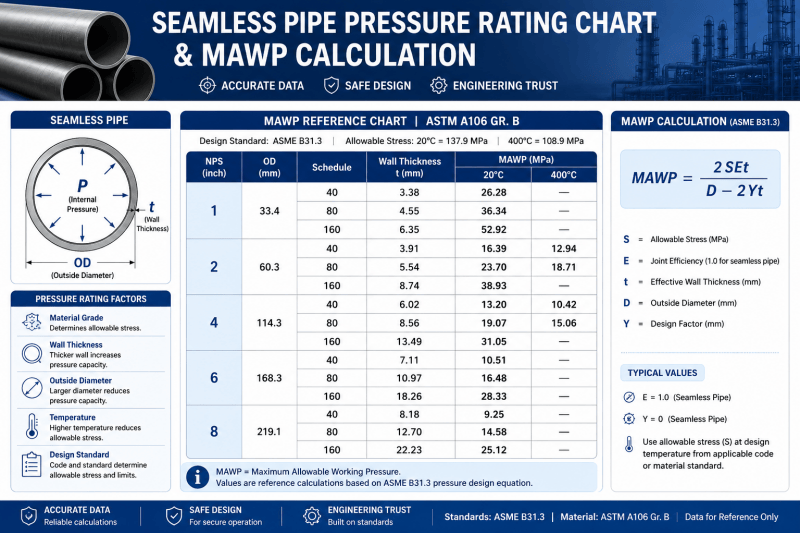
2. Seamless Pipe Pressure Rating Chart
2.1 Seamless Pipe MAWP Reference Chart (ASTM A106 Gr. B)
The following MAWP values are reference calculations based on the stated material, design temperature, wall-thickness tolerance, and ASME B31.3 pressure design equation.
|
NPS
|
OD (mm)
|
Schedule
|
Wall Thickness (mm)
|
Material
|
Design Temp. (°C)
|
Allowable Stress (MPa)
|
MAWP (MPa)
|
|
1
|
33.4
|
40
|
3.38
|
ASTM A106 Gr. B
|
20
|
137.9
|
26.28
|
|
1
|
33.4
|
80
|
4.55
|
ASTM A106 Gr. B
|
20
|
137.9
|
36.34
|
|
1
|
33.4
|
160
|
6.35
|
ASTM A106 Gr. B
|
20
|
137.9
|
52.92
|
|
2
|
60.3
|
40
|
3.91
|
ASTM A106 Gr. B
|
20
|
137.9
|
16.39
|
|
2
|
60.3
|
80
|
5.54
|
ASTM A106 Gr. B
|
20
|
137.9
|
23.7
|
|
2
|
60.3
|
160
|
8.74
|
ASTM A106 Gr. B
|
20
|
137.9
|
38.93
|
|
2
|
60.3
|
40
|
3.91
|
ASTM A106 Gr. B
|
400
|
108.9
|
12.94
|
|
2
|
60.3
|
80
|
5.54
|
ASTM A106 Gr. B
|
400
|
108.9
|
18.71
|
|
4
|
114.3
|
40
|
6.02
|
ASTM A106 Gr. B
|
20
|
137.9
|
13.2
|
|
4
|
114.3
|
80
|
8.56
|
ASTM A106 Gr. B
|
20
|
137.9
|
19.07
|
|
4
|
114.3
|
160
|
13.49
|
ASTM A106 Gr. B
|
20
|
137.9
|
31.05
|
|
4
|
114.3
|
40
|
6.02
|
ASTM A106 Gr. B
|
400
|
108.9
|
10.42
|
|
4
|
114.3
|
80
|
8.56
|
ASTM A106 Gr. B
|
400
|
108.9
|
15.06
|
|
6
|
168.3
|
40
|
7.11
|
ASTM A106 Gr. B
|
20
|
137.9
|
10.51
|
|
6
|
168.3
|
80
|
10.97
|
ASTM A106 Gr. B
|
20
|
137.9
|
16.48
|
|
6
|
168.3
|
160
|
18.26
|
ASTM A106 Gr. B
|
20
|
137.9
|
28.33
|
|
8
|
219.1
|
40
|
8.18
|
ASTM A106 Gr. B
|
20
|
137.9
|
9.25
|
|
8
|
219.1
|
80
|
12.7
|
ASTM A106 Gr. B
|
20
|
137.9
|
14.58
|
|
8
|
219.1
|
160
|
23.01
|
ASTM A106 Gr. B
|
20
|
137.9
|
27.35
|
|
12
|
323.8
|
40
|
10.31
|
ASTM A106 Gr. B
|
20
|
137.9
|
7.86
|
|
12
|
323.8
|
80
|
17.48
|
ASTM A106 Gr. B
|
20
|
137.9
|
13.54
|
|
12
|
323.8
|
160
|
33.32
|
ASTM A106 Gr. B
|
20
|
137.9
|
26.76
|
2.2 Seamless Pipe MAWP Reference Chart (ASTM A312 TP316L)
|
NPS
|
OD (mm)
|
Schedule
|
Wall Thickness (mm)
|
Material
|
Design Temp. (°C)
|
Allowable Stress (MPa)
|
MAWP (MPa)
|
|
2
|
60.3
|
40S
|
3.91
|
ASTM A312 TP316L
|
20
|
115.1
|
13.68
|
|
2
|
60.3
|
80S
|
5.54
|
ASTM A312 TP316L
|
20
|
115.1
|
19.78
|
|
2
|
60.3
|
40S
|
3.91
|
ASTM A312 TP316L
|
400
|
64.6
|
7.68
|
|
2
|
60.3
|
80S
|
5.54
|
ASTM A312 TP316L
|
400
|
64.6
|
11.1
|
|
4
|
114.3
|
40S
|
6.02
|
ASTM A312 TP316L
|
20
|
115.1
|
11.01
|
|
4
|
114.3
|
80S
|
8.56
|
ASTM A312 TP316L
|
20
|
115.1
|
15.92
|
|
4
|
114.3
|
40S
|
6.02
|
ASTM A312 TP316L
|
400
|
64.6
|
6.18
|
|
4
|
114.3
|
80S
|
8.56
|
ASTM A312 TP316L
|
400
|
64.6
|
8.93
|
Mill Tolerance: A 12.5% negative wall-thickness tolerance is assumed for this reference calculation; therefore, the available wall thickness is taken as 87.5% of the nominal wall thickness before corrosion allowance.
3. How to Calculate Seamless Pipe Pressure Rating
For straight pipe under internal pressure, the ASME B31.3 pressure design equation can be rearranged to calculate the reference MAWP:
P = 2 × S × E × t / (D − 2 × Y × t)
Where:
P = maximum allowable internal pressure (MAWP)
S = allowable stress of the material at design temperature
E = quality factor; E = 1.0 for seamless pipe under this reference calculation
t = minimum effective wall thickness
D = outside diameter of the pipe
Y = coefficient specified by ASME B31.3; Y = 0.4 for the reference calculation below
For this reference MAWP calculation, the minimum available wall thickness is reduced by the assumed mill tolerance and corrosion allowance before being used as the pressure-design thickness.
T = t_nominal × (1 − mill tolerance) − corrosion allowance
For example, when a 12.5% negative wall-thickness tolerance is assumed and no corrosion allowance is applied:
t = 0.875 × t_nominal
Example: NPS 2 Schedule 80 ASTM A106 Grade B
For an NPS 2 Schedule 80 seamless pipe:
P = (2 × 137.9 × 1.0 × 4.85) / (60.3 − 2 × 0.4 × 4.85) = 23.70 MPa
This calculation reproduces the 23.70 MPa MAWP shown in the reference chart for NPS 2 Schedule 80 ASTM A106 Grade B at 20°C.
4. Effect of Pipe Size and Wall Thickness
The pressure capacity of a seamless pipe is governed by the mathematical relationship between its outside diameter (D) and minimum wall thickness (t).
As shown in the equation above, pressure capacity follows two strict rules when material and temperature are constant:
Increasing Wall Thickness (Higher Schedule) mathematically increases the allowable internal pressure.
Increasing Outside Diameter (Higher NPS) while maintaining the same wall thickness decreases the allowable pressure. The hoop stress acts on a larger surface area, requiring a thicker wall to handle the same pressure.
If you need detailed dimensions and weights for Schedule 40 pipes, view our complete [Schedule 40 Seamless Pipe Dimensions Chart]
5. Temperature and Allowable Stress
In the ASME B31.3 MAWP equation, $S$ is the allowable stress at the design temperature. The allowable stress is grade-specific and temperature-dependent, so the pressure calculation must use the value specified for the actual material and design temperature.
The reference values below show the change in allowable stress for ASTM A106 Gr. B and ASTM A312 TP316L:
|
Material
|
Design Temperature (°C)
|
Allowable Stress (MPa)
|
|
ASTM A106 Gr. B
|
20
|
137.9
|
|
ASTM A106 Gr. B
|
400
|
108.9
|
|
ASTM A312 TP316L
|
20
|
115.1
|
|
ASTM A312 TP316L
|
400
|
64.6
|
⚠️ Important Design Note:
The allowable stress used for pressure design should be taken strictly from the applicable design code (e.g., ASME B31.3 Table A-1) for the specified grade and design temperature. Room-temperature yield strength or tensile strength must not be substituted for the code allowable stress.
6. Pressure Rating of Seamless Steel Pipe by Grade
For the same pipe size, wall thickness, design temperature, and calculation method, material grade changes the MAWP through its applicable allowable stress.
The following comparison uses the same reference basis as the pressure-rating charts (based on NPS 2 Schedule 80 seamless pipe):
|
Material
|
Design Temp. (°C)
|
Allowable Stress (MPa)
|
MAWP (MPa)
|
|
ASTM A106 Gr. B
|
20
|
137.9
|
23.70
|
|
ASTM A312 TP316L
|
20
|
115.1
|
19.78
|
|
ASTM A106 Gr. B
|
400
|
108.9
|
18.71
|
|
ASTM A312 TP316L
|
400
|
64.6
|
11.10
|
This comparison is specific to the stated pipe dimensions, design temperatures, allowable stresses, and ASME B31.3 calculation basis. A different grade, temperature, or pipe schedule requires its corresponding allowable stress and recalculation of MAWP.
7. FAQS
Q1. What is the pressure rating of seamless steel pipe?
There is no universal pressure rating. Maximum Allowable Working Pressure (MAWP) must be calculated individually based on the specific pipe dimensions (OD, wall thickness), material grade, and design temperature.
Q2. How do you calculate the pressure rating of seamless pipe?
For process piping, MAWP is typically calculated using the ASME B31.3 formula. It uses the pipe's actual dimensions, material quality factor, and code-specified allowable stress.
Q3. Does a thicker seamless pipe have a higher pressure rating?
Yes. Increasing the wall thickness (e.g., upgrading from Schedule 40 to Schedule 80) directly increases the pipe's MAWP, provided the material and temperature remain unchanged.
Q4.Does temperature affect seamless pipe pressure rating?
Yes. As design temperature rises, the material's allowable stress drops, which significantly reduces the pipe's maximum pressure capacity.
Q5.Is seamless pipe pressure rating determined by yield strength?
No. Pressure rating is calculated using the code-specified allowable stress for that specific grade and temperature. You must not substitute the material's room-temperature yield or tensile strength into the design formula.
Related Articles
Seamless Steel Pipe Sizes
Schedule 80 Seamless Steel Pipe
Seamless Carbon Steel Pipe Size Standard Requirements
ASTM A106 seamless carbon steel pipe grades



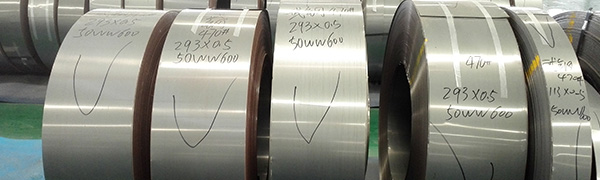
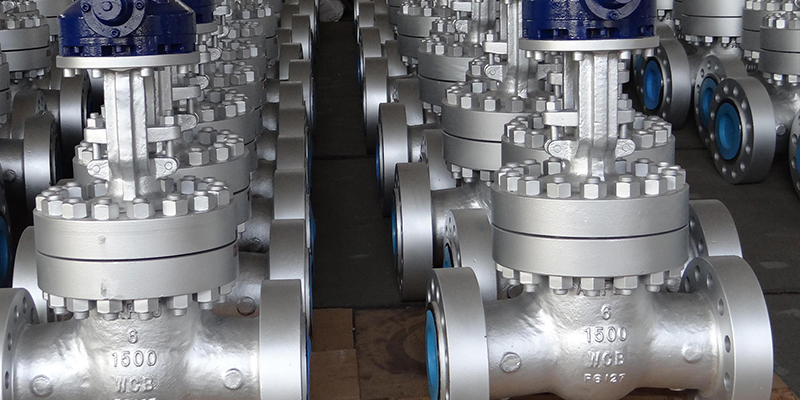
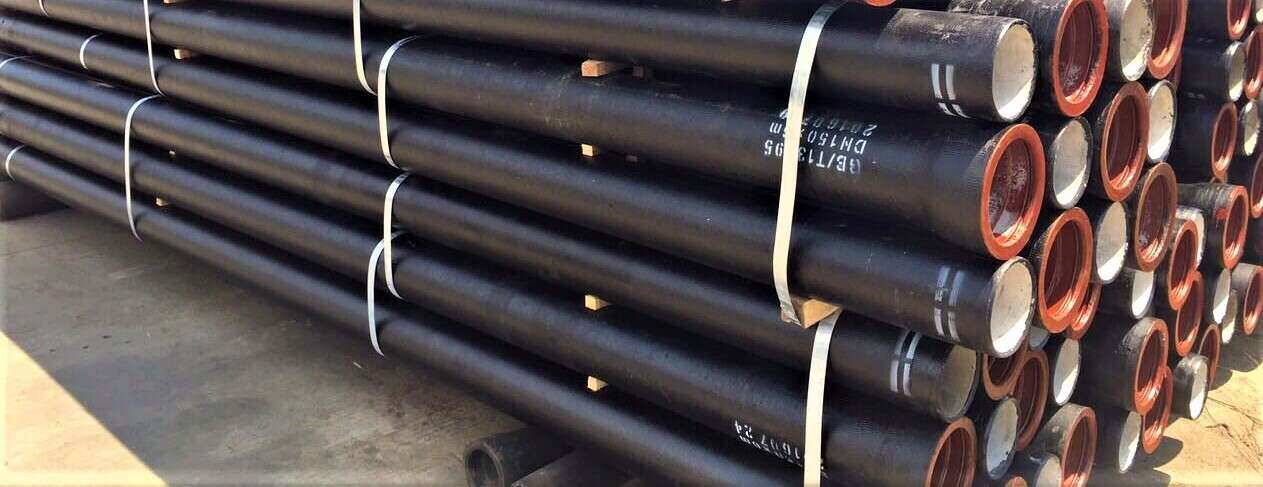


 Eastern Steel Manufacturing Co.,Ltd not only improve product production and sales services, but also provide additional value-added services. As long as you need, we can complete your specific needs together.