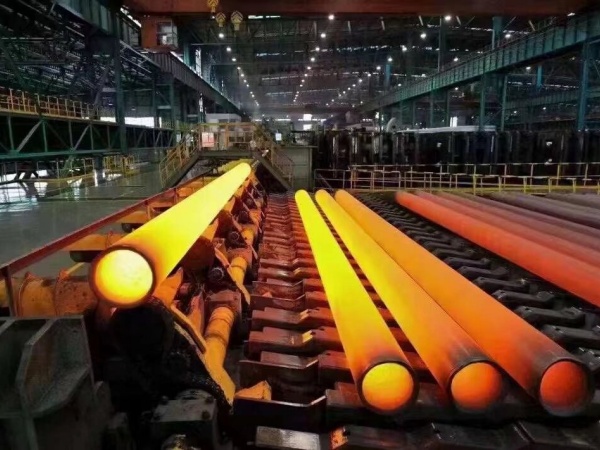
Most seamless steel pipes are classified under HS Code 7304, while welded steel pipes are generally classified under HS Code 7306. The exact HS code depends on pipe manufacturing method, material, and intended use.
1. Pipe HS Code Quick Reference
|
Pipe Type
|
HS Code
|
|
Seamless Steel Pipe
|
7304
|
|
Welded Steel Pipe (ERW / LSAW / SSAW)
|
7306
|
|
Line Pipe
|
730410
|
|
Drill Pipe
|
730421
|
|
Casing Pipe
|
730429
|
|
Stainless Steel Seamless Pipe
|
730441
|
|
Alloy Steel Seamless Pipe
|
730451
|
2. About Pipe HS code
The customs code is the HS code, which is the abbreviation of the Harmonized Coding System. Its full name is "International Convention for Harmonized Commodity Description and Coding System" (International Convention for Harmonized Commodity Description and Coding System), abbreviated as Harmonized System (HS)
It is a system for quantitative management of the tariff rates imposed/refundable on entry and exit of various products. The basic element of customs and commodity entry and exit administration agencies in various countries to confirm commodity categories, conduct commodity classification management, review tariff standards, and inspect commodity quality indicators is the HS code, a universal identity certificate for import and export commodities.
3. Components of the Pipe HS Code
Internationally Accepted Digits
The internationally accepted basic HS code consists of 6 digits. These 6 digits comprise the following three parts:
Digits 1-2: Represent the "Chapter". There are a total of 21 Chapters (the Chapter number is represented by a single digit, but Chapter 21 is represented by two digits, i.e., Chapter 98) and 97 Chapters (Chapter 77 is left blank).
Digits 3-4: Represent the "Heading". Each Chapter is further divided into several Headings as needed, represented by two digits, resulting in 1241 four-digit Headings.
Digits 5-6: Represent the "Subheading". Headings are further subdivided into several Subheadings as needed. The Subheading code is formed by adding two digits to the code of its parent Heading, resulting in 5019 six-digit Subheadings.
Because a 6-digit code cannot encompass all product categories, the HS coding system allows countries to further define subcategories based on their specific circumstances.
For example, China uses a 10-digit code. The first 6 digits are equivalent to internationally accepted codes, while the 7th to 10th digits represent Chinese subheadings, with classifications extended according to the actual situation of my country's import and export commodities.
4. Types of Pipe HS Codes
HS codes are not applicable to all countries. While used in over 200 countries and regions, some may employ variations based on HS codes or their own custom-designed coding systems due to specific trade or economic needs. Two examples are HTS and NCM codes.
4.1 HTS Codes
HTS (Harmonized Tariff Schedule) is the U.S. commodity coding system. It is based on the internationally used HS coding system but has been appropriately adjusted and expanded to adapt to U.S. tariff and trade policies.
HS codes have 6 digits, while HTS codes have 8-10 digits. The first four digits of an HTS code are the same as an HS code, but the subsequent digits are more detailed, typically including 8 or more digits. This more detailed classification allows U.S. Customs to more accurately identify and manage imported goods.
4.2 NCM Codes
NCM (Nomenclatura Comum do MERCOSUL) is the commodity coding system for the member countries of Mercosur (South American Common Market). Mercosur member countries include Brazil, Argentina, Uruguay, Paraguay, and Venezuela. The NCM code is based on the HS code, but has been adjusted to align with Mercosur's trade and tariff policies.
The NCM code system consists of eight digits, but typically the first six are the same as the HS code, while the last two provide more specific product classification information. This allows Mercosur member states to more accurately identify and manage trade flows within the region.
5. Importance of the Seamless Pipe HS Code
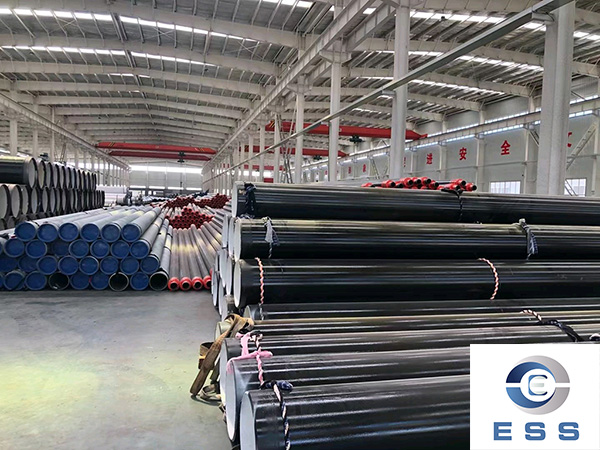
The correct classification of seamless pipes under the HS Code is crucial for several reasons. Firstly, it facilitates the efficient movement of goods across borders, ensuring compliance with import and export regulations. Secondly, it helps customs authorities assess applicable duties, taxes, and restrictions. Additionally, the HS Code aids in statistical analysis of trade data, enabling governments and organizations to monitor industry trends and make informed policy decisions.
6. Seamless Pipe HS Code
The HS Code for seamless pipes falls under Chapter 73 of the HS Code system, titled "Articles of Iron or Steel." Specifically, seamless pipes are classified under Heading 7304, which covers "Tubes, Pipes, and Hollow Profiles, Seamless, of Iron (Other Than Cast Iron) or Steel." This heading is further divided into subheadings based on various characteristics such as diameter, thickness, and composition.
To determine the appropriate HS Code for a specific seamless pipe, several factors must be considered, including dimensions (outer diameter, inner diameter, wall thickness), material composition (carbon steel, alloy steel, stainless steel), and intended use (oil and gas, construction, automotive, etc.). It is crucial to accurately classify seamless pipes to avoid potential customs issues and ensure compliance with trade regulations.
7. HS Code Subheadings for Seamless Pipes
Heading 7304 of the HS Code system is subdivided into several subheadings, each representing different characteristics of seamless pipes. Some of the common subheadings include:
a) 7304.11: Seamless pipes and tubes of iron or non-alloy steel with an external diameter not exceeding 168.3 mm.
b) 7304.19: Seamless pipes and tubes of iron or non-alloy steel with an external diameter exceeding 168.3 mm.
c) 7304.22: Seamless pipes and tubes of stainless steel.
d) 7304.23: Other alloy steel seamless pipes and tubes.
e) 7304.24: Other stainless steel seamless pipes and tubes.
f) 7304.29: Other seamless pipes and tubes.
Each subheading may have additional requirements or specifications based on factors such as wall thickness, length, and specific alloy composition. Importers and exporters must accurately determine the appropriate subheading to ensure compliance with customs regulations and avoid potential penalties or delays in customs clearance.
8. Detailed Seamless Pipe HS Code Classification
|
HS Code
|
Description
|
|
730410
|
Line pipe of a kind used for oil or gas pipelines, seamless, of iron or steel (excluding products of cast iron)
|
|
730411
|
Line pipe of a kind used for oil or gas pipelines, seamless, of stainless steel
|
|
730419
|
Line pipe of a kind used for oil or gas pipelines, seamless, of iron or steel (excluding products of stainless steel or of cast iron)
|
|
730421
|
Drill pipe, seamless, of a kind used in drilling for oil or gas, of iron or steel (excluding products of cast iron)
|
|
730422
|
Drill pipe, seamless, of stainless steel, of a kind used in drilling for oil or gas
|
|
730423
|
Drill pipe, seamless, of a kind used in drilling for oil or gas, of iron or steel (excluding products of stainless steel or of cast iron)
|
|
730424
|
Casing pipe and tubing, seamless, of a kind used for drilling for oil or gas, of stainless steel
|
|
730429
|
Casing and tubing, seamless, of iron or steel, of a kind used in drilling for oil or gas (excluding products of cast iron)
|
|
730431
|
Tubes, pipes and hollow profiles, seamless, of circular cross-section, of iron or non-alloy steel, cold-drawn or cold-rolled "cold-reduced" (excluding cast iron products and line pipe of a kind used for oil or gas pipelines or casing and tubing of a kind used for drilling for oil or gas)
|
|
730439
|
Tubes, pipes and hollow profiles, seamless, of circular cross-section, of iron or non-alloy steel, not cold-drawn or cold-rolled "cold-reduced" (excluding cast iron products, line pipe of a kind used for oil or gas pipelines, casing and tubing of a kind used for drilling for oil or gas)
|
|
730441
|
Tubes, pipes and hollow profiles, seamless, of circular cross-section, of stainless steel, cold-drawn or cold-rolled "cold-reduced" (excluding line pipe of a kind used for oil or gas pipelines, casing and tubing of a kind used for drilling for oil or gas)
|
|
730449
|
Tubes, pipes and hollow profiles, seamless, of circular cross-section, of stainless steel, not cold-drawn or cold-rolled "cold-reduced" (excluding line pipe of a kind used for oil or gas pipelines or of a kind used for drilling for oil or gas)
|
|
730451
|
Tubes, pipes and hollow profiles, seamless, of circular cross-section, of alloy steel other than stainless, cold-drawn or cold-rolled "cold-reduced" (excluding line pipe of a kind used for oil or gas pipelines, casing and tubing of a kind used for drilling for oil)
|
|
730459
|
Tubes, pipes and hollow profiles, seamless, of circular cross-section, of alloy steel other than stainless, not cold-drawn or cold-rolled "cold-reduced" (excluding line pipe of a kind used for oil or gas pipelines, casing and tubing of a kind used for drilling for oil)
|
|
730490
|
Tubes, pipes and hollow profiles, seamless, of non-circular cross-section, of iron or steel (excluding products of cast iron)
|
9. Conclusion
Understanding the HS Code for seamless pipes is crucial for importers and exporters to facilitate smooth cross-border trade operations. Accurate classification under the HS Code ensures compliance with customs regulations, aids in cost calculations, and provides vital statistical data for trade analysis. By considering the dimensions, composition, and specific characteristics of seamless pipes, importers and exporters can confidently assign the correct HS Code subheading and navigate the complexities of international trade more effectively.
Read more: Seamless Steel Pipe Sizes or Mild Steel Pipe HS Code List



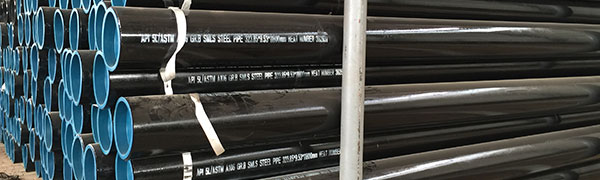
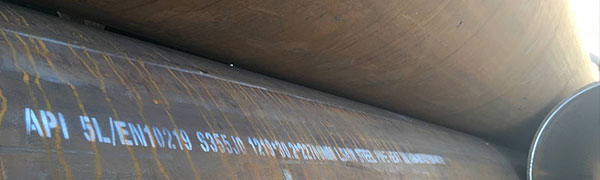


 Eastern Steel Manufacturing Co.,Ltd not only improve product production and sales services, but also provide additional value-added services. As long as you need, we can complete your specific needs together.