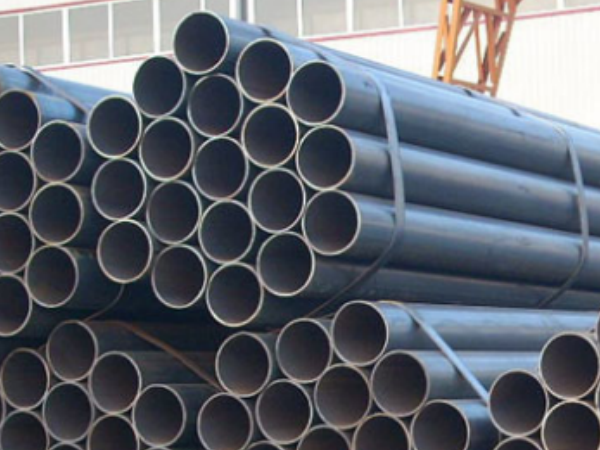
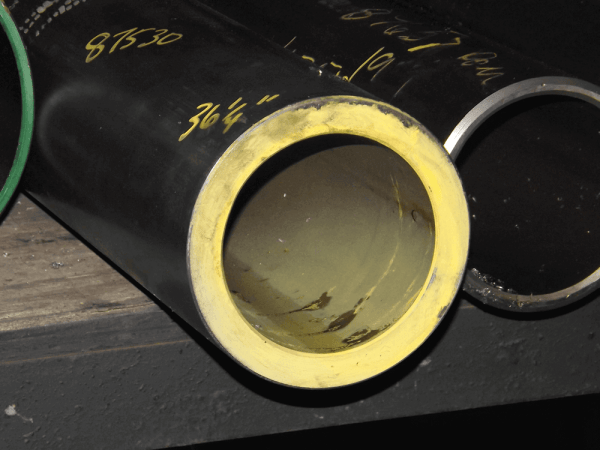
ASTM A519 covers seamless carbon and alloy steel mechanical tubing manufactured by hot finishing or cold finishing. Common grades include carbon steels such as 1020 and 1045, as well as alloy steels such as 4130 and 4140. These tubes are used for machined components, hydraulic cylinders, bushings, shafts, and other mechanical parts requiring specified dimensions and mechanical properties.
1. ASTM A519 Scope and Specifications
Key scope details include:
Manufacturing Methods: Seamless hot-finished and cold-finished tubing.
Round Tube Size Range: Outside diameters up to 12¾ in. [325 mm], with wall thicknesses as required.
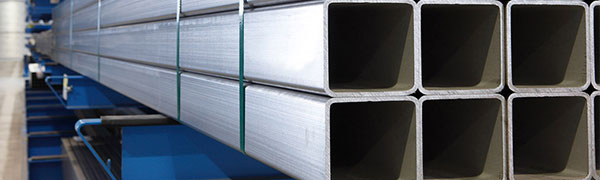
Product Shapes: Round, square, rectangular, and special sections.
Material Grades: Multiple carbon and alloy steel grades, with chemical composition and mechanical property requirements defined by the applicable grade.
Sizing and Thermal Treatment: Options include hot finishing (HF), cold working (CW), rough turning (RT), grinding (G), annealing (A), normalizing (N), quenching and tempering (QT), and stress relieving or finish annealing (SR), as applicable to the ordered product.
2. ASTM A519 Grades
|
Steel Category
|
Representative Grades
|
Key Characteristics
|
|
Low-carbon MT grades
|
MT 1010, MT 1015, MT 1020, MT X 1015, MT X 1020
|
Specific low-carbon mechanical tubing grades
|
|
Other carbon steels
|
1008, 1018, 1020, 1026, 1045, 1518, 1524, 1541
|
Different carbon and manganese levels
|
|
Resulfurized or rephosphorized carbon steels
|
1118, 11L18, 1137, 1141, 1144, 1213, 12L14, 1215
|
Grades designed for improved machinability
|
|
Alloy steels
|
4130, 4140, 8620
|
Alloy composition and heat treatment influence mechanical properties
|
These are representative grades listed in ASTM A519/A519M; confirm the applicable grade requirements against the specified standard edition.
3. ASTM A519 Dimensions and Tolerances
3.1 Size Range
|
Specification
|
Dimension or Range
|
|
Maximum OD for Round Tubing under ASTM A519
|
12¾ in. [325 mm]
|
|
Eastern Steel's General Mechanical Tubing OD Range
|
10.3–762 mm
|
|
Wall Thickness
|
6–35 mm on the general product page
|
|
Common Supply Lengths
|
5.8 m, 6 m, 11.8 m, and 12 m
|
|
Cross-Section
|
Round, square, rectangular, and special sections
|
Eastern Steel supplies mechanical tubing to multiple standards. Confirm ASTM A519 availability for the required grade and dimensions.
3.2 Dimensional Tolerances
Dimensional tolerances depend on tube size, specified dimensions, and finishing condition. Hot-finished and cold-finished tubing differ in dimensional control and surface characteristics.
|
Parameter
|
Cold-Finished Tubing
|
Hot-Finished Tubing
|
|
Outside Diameter
|
Often selected for closer dimensional control in precision machining.
|
Tolerances depend on tube size and specified dimensions.
|
|
Inside Diameter
|
Suitable for applications requiring closer bore control or less machining allowance.
|
Additional boring or honing may be needed to achieve the required ID.
|
|
Wall Thickness
|
Tighter control may be available, depending on tube size and specified tolerances.
|
Permitted tolerances vary with OD, WT, and the applicable dimensional requirements.
|
|
Surface Finish
|
Generally smoother, suitable for components requiring a refined finish.
|
Generally rougher and may require additional surface finishing.
|
For round tubing, the inside diameter can be calculated from the outside diameter and wall thickness:
ID = OD − 2 × WT
For example, a round tube with an OD of 50.8 mm and a WT of 5.0 mm has a calculated ID of 40.8 mm.
The applicable ASTM A519/A519M requirements and purchase specification should be used to confirm dimensional tolerances for the selected tube size and finishing condition.
4. ASTM A519 Chemical Composition and Mechanical Properties
4.1 Chemical Composition
The following table shows representative chemical composition limits for common ASTM A519 grades.
|
Grade
|
Carbon (C), %
|
Manganese (Mn), %
|
Silicon (Si), %
|
Chromium (Cr), %
|
Molybdenum (Mo), %
|
|
ASTM 1020
|
0.18–0.23
|
0.30–0.60
|
0.15–0.35
|
—
|
—
|
|
ASTM 1045
|
0.43–0.50
|
0.60–0.90
|
0.15–0.35
|
—
|
—
|
|
ASTM 4130
|
0.28–0.33
|
0.40–0.60
|
0.15–0.35
|
0.80–1.10
|
0.15–0.25
|
|
ASTM 4140
|
0.38–0.43
|
0.75–1.00
|
0.15–0.35
|
0.80–1.10
|
0.15–0.25
|
Additional Chemical Composition Requirements: Silicon (Si) acts as a deoxidizer and contributes to strength. For grades 4130 and 4140, Si is specified at 0.15–0.35%. Maximum phosphorus (P) and sulfur (S) contents are 0.040% and 0.050%, respectively, for grades 1020 and 1045, and 0.040% for both elements in grades 4130 and 4140.
5. ASTM A519 vs. ASTM A513 vs. ASTM A106
|
Comparison
|
ASTM A519
|
ASTM A513
|
ASTM A106
|
|
Product Type
|
Seamless mechanical tubing
|
Electric-resistance-welded (ERW) mechanical tubing
|
Seamless carbon steel pipe for high-temperature service
|
|
Manufacturing Route
|
Hot-finished or cold-finished
|
ERW; types include as-welded, sink-drawn, DOM, and special smooth-ID tubing
|
Normally hot-finished; cold-drawn where permitted by the specification and order
|
|
Typical Grades
|
Examples: 1020, 1026, 4130, 4140
|
Carbon and alloy grades, depending on tubing type and order
|
Grades A, B, and C
|
|
Product Requirements
|
Grade, dimensions, mechanical properties, and finishing condition
|
Tubing type, dimensions, mechanical properties, and weld quality
|
Chemical composition, mechanical properties, and hydrostatic or permitted nondestructive testing
|
|
Pressure Service
|
Pressure-piping use requires confirmation of code acceptance and allowable stress basis
|
Pressure-piping use requires confirmation of code acceptance and allowable stress basis
|
Specifically intended for high-temperature service, with allowable stresses established for applicable listed grades in the governing code
|
|
Typical Use
|
Machined parts, shafts, and mechanical components
|
Mechanical and structural components
|
High-temperature process and power piping
|
6. Frequently Asked Questions
Q1. What Is ASTM A519 Tubing Used For?
ASTM A519 seamless mechanical tubing is used to manufacture shafts, bushings, hydraulic cylinder components, and other machined parts.
Q2. What Grades Are Covered by ASTM A519?
ASTM A519 covers low-carbon MT grades, other carbon steels, resulfurized or rephosphorized steels, and alloy steels such as 4130 and 4140.
Q3. What Is the Difference Between ASTM A519 and A513?
ASTM A519 covers seamless mechanical tubing, while ASTM A513 covers electric-resistance-welded (ERW) mechanical tubing. The main difference is the manufacturing method.
Q4 What Is the Maximum Size Covered by ASTM A519?
ASTM A519/A519M covers round seamless mechanical tubing with outside diameters up to 12¾ in. (325 mm). The available wall thicknesses and dimensional combinations depend on the specified grade, manufacturing condition, and order requirements.



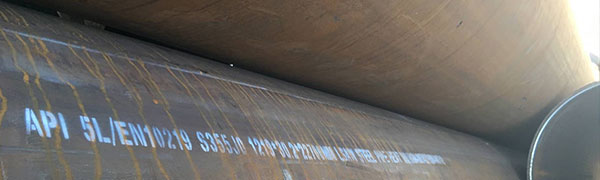
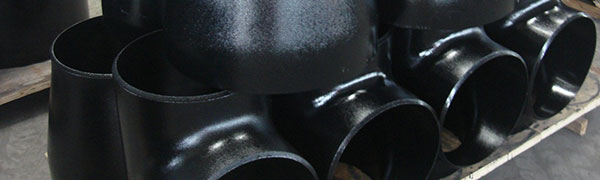
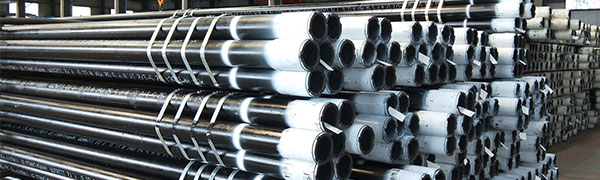
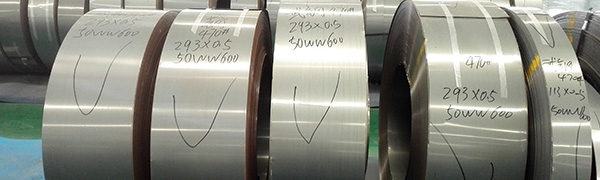


 Eastern Steel Manufacturing Co.,Ltd not only improve product production and sales services, but also provide additional value-added services. As long as you need, we can complete your specific needs together.