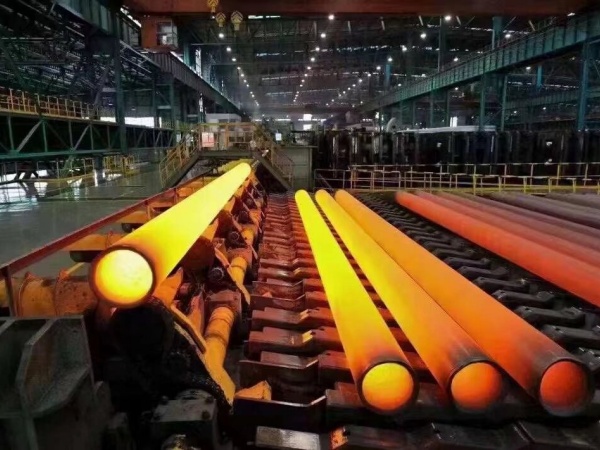
Seamless
steel pipes are a key steel product subject to
EU sanctions scrutiny. For seamless steel pipes, the MTC (Mill Test Certificate)
proves that the steel billet/pipe blank is not of Russian origin, conforms to
technical standards such as ASTM/EN/DIN/GB, and meets both EU sanctions
compliance and engineering technical compliance requirements.
Why Must Seamless Steel Pipes Provide an
Mill Test Certificate?
Since September 30, 2023, the UK and the EU
have imposed sanctions on steel and steel products originating from Russia,
prohibiting the import of steel products originating from or exported from
Russia, and also prohibiting the direct or indirect purchase of steel products
from Russia. This measure is an EU sanction against Russian steel exports,
aimed at combating circumvention by limiting the ability of Russian-origin
steel to be processed into downstream steel products through third countries.
EU customs will strictly inspect all goods
containing metals (mainly steel products) declared under HS codes 7206 to 7326.
All metal-related products from all importing countries must provide an MTC proving
that the product materials do not originate from Russia.
It is important to note that if you wish to
clear customs for these seamless
steel pipe HS codes in Europe, an MTC is required even if the pipes are
not originating from or exported from Russia.
What are the Key Points of MTC Implementation?
Implementation Date: From September 30,
2023
Countries requiring steel MTC report: EU,
UK
Products covered: Steel products
Declaration Category: Steel products with
HS codes starting with 72-73 require an MTC.
Non-catalog declared metal products:
Require an steel MTC report.
Non-catalog declared non-metallic products
with metal fittings: Generally, an MTC is not required, but it must be
submitted if inspection is encountered.
Steel Pipe Mill Test Certificate Types
EN 10204 Type 2.1: Supplier declaration (no
specific test data), suitable for general trade and low-risk materials.
EN 10204 Type 3.1: Partial test data from a
third-party testing organization, suitable for general engineering projects.
EN 10204 Type 3.2: Complete manufacturer's
test report + third-party verification, suitable for high-risk fields such as
high-voltage equipment and nuclear power.
In EU customs clearance practice: 90% of
seamless steel pipes require 3.1, while energy projects often require 3.2.
Core Contents of the Seamless Steel Pipe
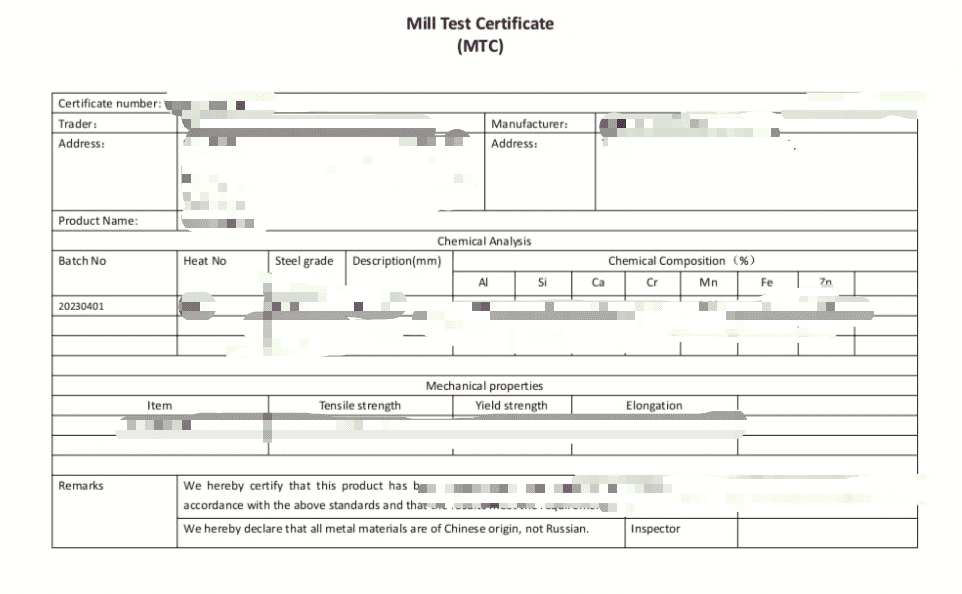
MTC
1. Material Information
Grade (e.g., Q235B, 304 stainless steel),
specifications (thickness/diameter), furnace number/batch number.
2. Chemical Composition
Content of elements such as C, Si, Mn, P,
and S (compliant with standards such as GB/T 700 and ASTM A36).
3. Mechanical Properties
Tensile strength (Rm), yield strength
(Rp0.2), elongation (A), impact energy (KV2).
4. Testing Standards
Referenced standards (e.g., GB/T 228.1-2021
Tensile Testing, GB/T 4336-2016 Spectroscopic Analysis).
5. Issuing Authority
Stamped by the manufacturer's quality
control department or a third-party testing agency (e.g., SGS, BV).
How Long is the Steel MTC Report Valid?
MTC (Medium-terminal Qualification) is an
official document used to certify that materials (such as steel, alloys, and
metal products) meet specific standards (such as chemical composition and
mechanical properties). Its validity period does not have a uniform fixed
standard and mainly depends on the following factors:
1. Batch-specific, Valid Only with the
Batch
An MTC is issued for a specific production
batch of material (marked with batch number, furnace number, etc.), essentially
serving as a quality certificate for that batch of material during
production/testing.
As long as the seamless steel pipes in that
batch do not experience performance degradation (e.g., no corrosion, no
performance changes due to long-term storage), the MTC remains valid
indefinitely.
2. Limited by Usage Scenario or Industry
Standards
Some industries (such as construction,
engineering, and special equipment) impose restrictions on the "issuance
time" of the MTC, typically requiring that the interval between the MTC
testing date and the material's use/acceptance date not exceed 6 months to 1
year.
This is to ensure that the seamless steel
pipes were recently produced and to avoid performance fluctuations due to
long-term storage. For example:
In construction projects, owners may
require the MTC (Medium-terminal Transaction Certificate) for steel to be
issued no more than 3 months after on-site acceptance;
In the machinery manufacturing industry,
for seamless steel pipes used in critical components, the MTC may require the
testing date to be within one year.
3. Material Storage Conditions Affect
Actual Validity
If seamless steel pipes are improperly
stored (e.g., dampness, rust, high-temperature aging, etc.), even if the MTC is
qualified, its actual performance may no longer meet standards.
In this case, the MTC only proves
"qualified at the time of manufacture" and cannot represent the
current state, requiring re-testing and a new MTC.
Application Process for Seamless Steel
Pipe MTC
1. Prepare Application Materials
Applying for an EU customs clearance steel MTC
report requires preparing a series of materials, including detailed information
about the goods, the manufacturer's qualification certificate, and certificate
of origin. These materials must be true, accurate, and complete to ensure
smooth customs review.
2. Submit the Application
Submit the prepared application materials
to EU customs or relevant authorities. When submitting the application, it is
important to choose the correct application channel and method to ensure
successful processing.
3. Review and Issuance of Certificates
The EU Notified Body will review the
submitted application materials. If the application materials are complete,
truthful, accurate, and comply with relevant EU regulations, the application
will be approved and an steel pipe MTC will be issued.
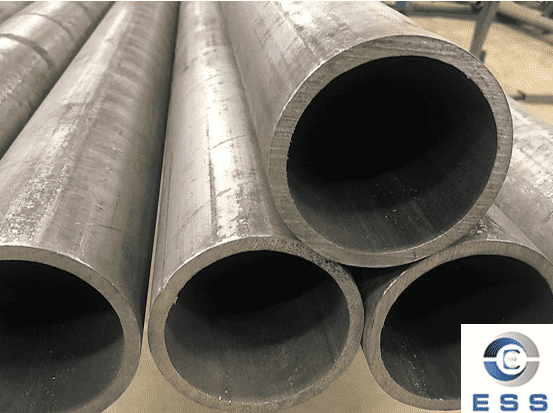
Important Notes for Applying for an Seamless
Steel Pipe MTC
1. Ensure the Authenticity and Accuracy of
Application Materials
The materials used to apply for an steel
pipe MTC must be true and accurate. Any false or misleading information may
lead to application failure or penalties. Therefore, companies need to
carefully check and review all materials before applying.
2. Comply with Relevant EU Regulations
The EU has strict regulations regarding
certificates of origin for imported goods. Companies applying for an steel pipe
MTC need to comply with these regulations to ensure the application process
meets EU requirements.
3. Pay Attention to Application Deadlines
EU customs has clear requirements regarding
the clearance time for imported goods. Therefore, companies applying for an steel
pipe MTC need to pay attention to the application deadline to avoid delaying
the customs clearance process.
What If I Don't Have an Steel Pipe MTC?
1. What are the consequences of not having
an MTC for seamless steel pipes?
Potential challenges include: Customs
clearance refusal; cargo delays/return; customer rejection; being listed as a
high-risk supplier.
2. If seamless steel pipes cannot provide
an MTC (Medium-terminal Entity Certificate), customs may request the following
documents, but release is not guaranteed:
Invoice;
Packing list;
Quality certificate
(CE certificate);
Long-term supplier declaration (proving that the materials
for the goods have been supplied from non-Russian sources for a long time);
Cost documentation and manufacturer's documents;
Export declaration; Factory
production instructions;
Sales contract (proving the goods did not originate
from Russia).
Note: Customs does not accept
non-preferential certificates of origin as supporting documentation.
FAQ
1. Is an MTC always required for seamless
steel pipe customs clearance in the EU?
Yes, it is almost mandatory.
As long as the declared HS code falls under
Chapter 72 or 73, customs may require an MTC; otherwise, there is a risk of
customs seizure.
2. What type of MTC should be used for
seamless steel pipes?
Recommendations are as follows:
For general trade/structural seamless steel
pipes, EN 10204 3.1 is recommended.
For pressure piping/oil and gas/energy
projects, EN 10204 3.2 is recommended.
3. Can one MTC be used for multiple batches
of seamless steel pipes?
No.
An MTC is for one furnace and one batch,
strictly bound to the furnace number/batch number.
Seamless steel pipes from different furnace
numbers and different production batches must correspond to different MTCs.
Yes.
Provided that:
The steel mill is a genuine manufacturer;
The MTC data is complete, accurate, and
traceable;
The raw materials are explicitly stated to
be not from Russia.
5. Must the MTC for seamless steel pipes be
issued by the original steel mill?
Typically issued by the original steel
manufacturer, a third-party certificate can be used in the following
situations:
EN 10204 3.2;
SGS/BV/TUV designated by the client or
project owner;
High-risk or regulated industries (oil and
gas, nuclear power).
Summary
In summary, the MTC itself does not have a
mandatory "expiration date," its core function is to be linked to the
material batch and its actual condition. Seamless steel pipes are steel
products subject to strict EU sanctions. The MTC is a "hard proof" of
customs clearance compliance, and EN 10204 3.1/3.2 is recommended. The MTC has
no fixed validity period, but project and customs deadlines may apply.
Read more: How to Read a MTC for Seamless Steel Pipes?



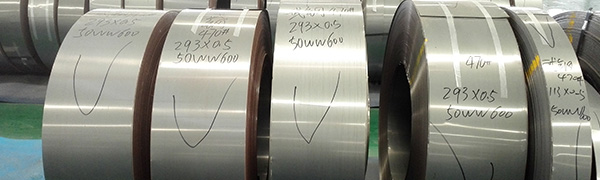
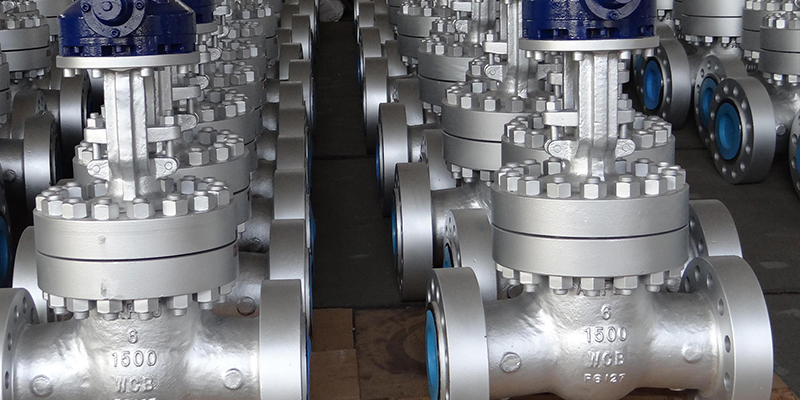
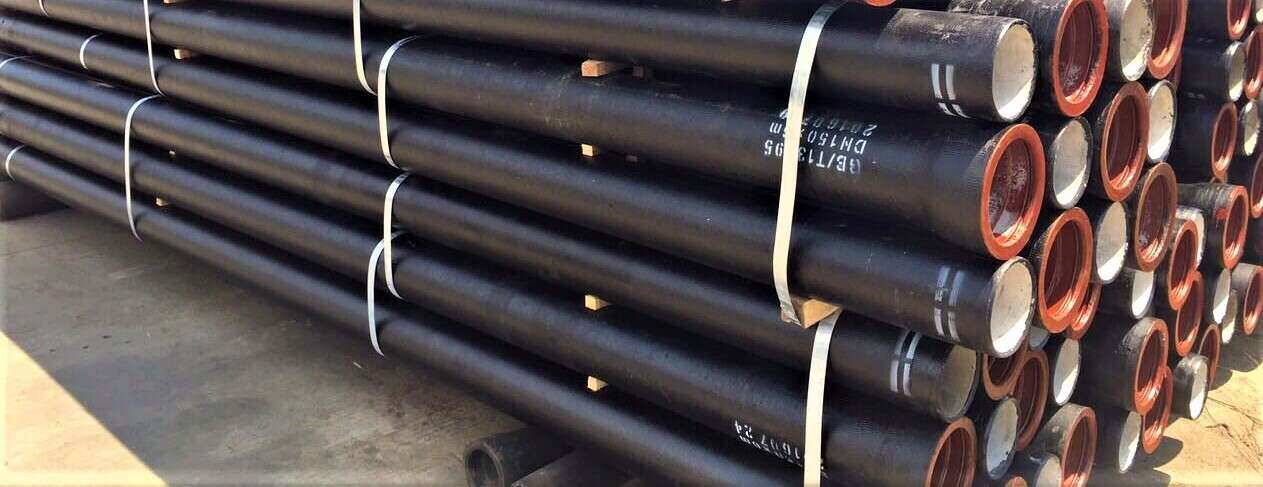


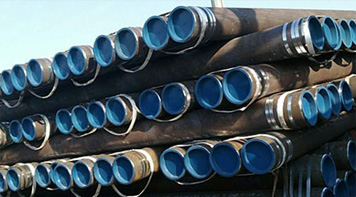 Eastern Steel Manufacturing Co.,Ltd not only improve product production and sales services, but also provide additional value-added services. As long as you need, we can complete your specific needs together.