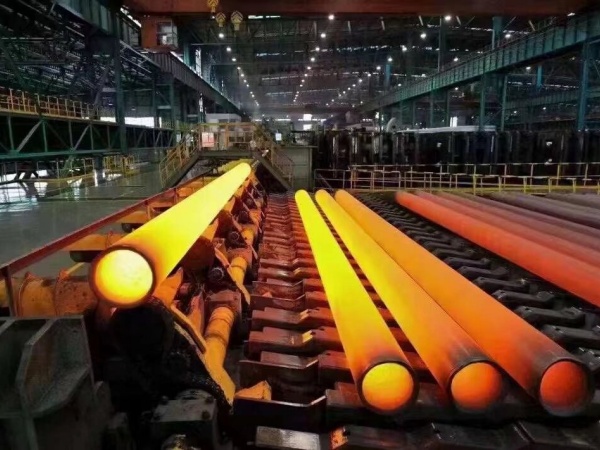
The chemical industry is another important
application area. In chemical production, the materials transported by
pipelines are often highly corrosive, toxic, or flammable and explosive,
requiring pipes with high strength and corrosion resistance. Seamless
steel pipes are mainly used in the chemical industry for conveying
pipelines, reactor supports, chimneys, etc. However, as a professional
manufacturer, we want to tell you that seamless steel pipes also have many
limitations in the chemical industry, such as materials, operating environment,
and standards. Ignoring these limitations will cause many problems for your
projects.
What are the advantages of seamless
steel pipes in the chemical industry?
1. Safety and Reliability
Seamless steel pipes have high strength,
high pressure resistance, and high corrosion resistance, ensuring the safe
operation of chemical equipment.
2. Cost Savings
Seamless steel pipes have a long service
life and are not easily corroded, reducing the maintenance and replacement
costs of chemical equipment.
3. Increased Efficiency
Seamless steel pipes have high conveying
efficiency, which can improve the efficiency of chemical production.
What are the uses of seamless steel
pipes in the chemical industry?
Seamless steel pipes have various
applications in the chemical industry, primarily due to their corrosion
resistance, high-temperature resistance, and high strength. Here are some of
the main applications of seamless steel pipes in the chemical industry:
1. Transportation Pipelines
Seamless steel pipes are widely used to
transport various chemical fluids, such as corrosive media like acids, alkalis,
and brine. Their corrosion resistance ensures long-term use in harsh
environments.
2. Reactors and Heat Exchangers
In chemical production processes, seamless
steel pipes are used as the main material for equipment such as reactors and
heat exchangers.
These devices operate in high-temperature,
high-pressure, and corrosive media environments, requiring materials with
excellent corrosion resistance and stability.
3. Boilers and Heat Exchangers
Seamless steel pipes are widely used in key
equipment such as boilers, superheaters, and heat exchangers in chemical plants
due to their high-temperature, high-pressure, and corrosion-resistant
properties.
4. Pressure Vessels
Pressure vessels in the chemical industry,
such as storage tanks and reactors, often need to withstand high pressure and
corrosive media.
Seamless steel pipes, with their high
strength and corrosion resistance, are an ideal material choice.
5. Nuclear Power Plant Construction
Seamless steel pipes are used in the
construction of nuclear power plants to build key components such as reactor
cooling systems and steam generators, ensuring the safe use of nuclear energy.
6. Machinery Manufacturing
In the machinery manufacturing field,
seamless steel pipes are widely used to manufacture various components and
structural parts, such as automobile chassis, bridge structures, and high-rise
building supports, playing a particularly important role in aerospace and
marine engineering.
7. Environmental Protection and Energy
Conservation
With the popularization of green building
concepts, seamless steel pipes, due to their recyclable and environmentally
friendly characteristics, are gradually becoming a new favorite in the chemical
and construction industries.
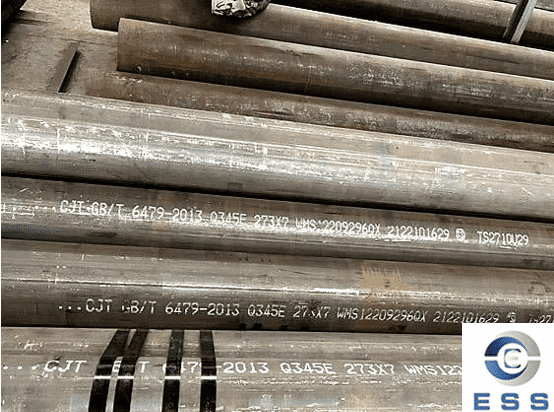
What are the limitations of seamless
steel pipes in the chemical industry?
In the chemical industry, there are indeed
some limitations on the use of seamless steel pipes. These limitations are
mainly based on the material, specifications, and special requirements of the
usage environment. The following is a detailed analysis of these limitations:
1. Material and Specification Limitations
Different seamless
steel pipe materials have different physical and chemical properties,
therefore their applicable ranges also differ.
For example, some seamless steel pipe
materials may not be suitable for conveying extremely or highly hazardous
media, or for extreme environments such as high temperature and high pressure.
The seamless
steel pipe sizes also limit their application range. For example,
GB/T8163 specifies that 20# seamless steel pipes are suitable for pressure
vessels with a design pressure not exceeding 4.0 MPa and a wall thickness not
exceeding 10 mm. Seamless steel pipes exceeding these specifications may not
meet specific application requirements.
2. Environmental Limitations
In environments containing corrosive media,
seamless steel pipes with better corrosion resistance must be selected to
prevent leaks or damage due to corrosion.
For chemical processes requiring high
temperatures or pressures, seamless steel pipes capable of withstanding the
corresponding temperatures and pressures must be selected to ensure production
safety.
3. Specific Standard and Specification
Limitations
Different countries or regions may have
different standards and specifications for seamless steel pipes. These
standards and specifications have strict regulations regarding the material,
manufacturing process, and performance requirements of seamless steel pipes.
Therefore, when selecting and using
seamless steel pipes, it is necessary to comply with the relevant standards and
specifications.
4. Substitution and Compatibility
Limitations
In some cases, it may be necessary to
replace the original seamless steel pipes with seamless steel pipes of other
materials or specifications.
However, such substitution is not
arbitrary; it requires consideration of whether the physical and chemical
properties of the replacement steel pipe are compatible with the original pipe
and whether it can meet the usage requirements.
Furthermore, incompatibility may exist
between seamless steel pipes under different standards or specifications,
therefore careful selection is necessary when making substitutions.
Summary
In summary, the use of seamless steel pipes
in the chemical industry is subject to various limitations. To ensure safe,
stable, and efficient production, it is necessary to select appropriate
seamless steel pipe materials and specifications based on specific usage
environments, media requirements, and standards and specifications.



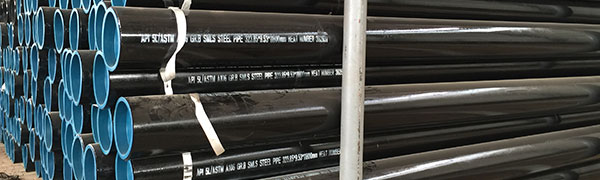
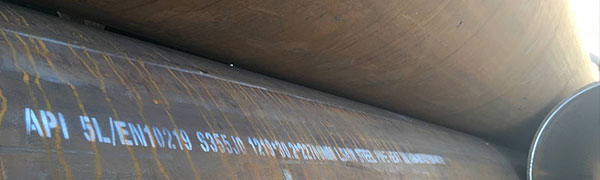


 Eastern Steel Manufacturing Co.,Ltd not only improve product production and sales services, but also provide additional value-added services. As long as you need, we can complete your specific needs together.