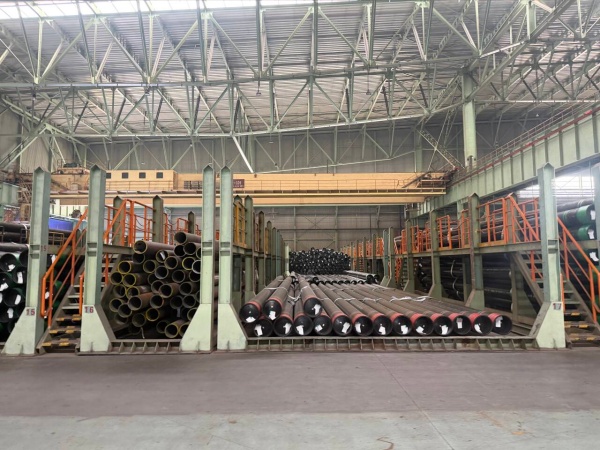
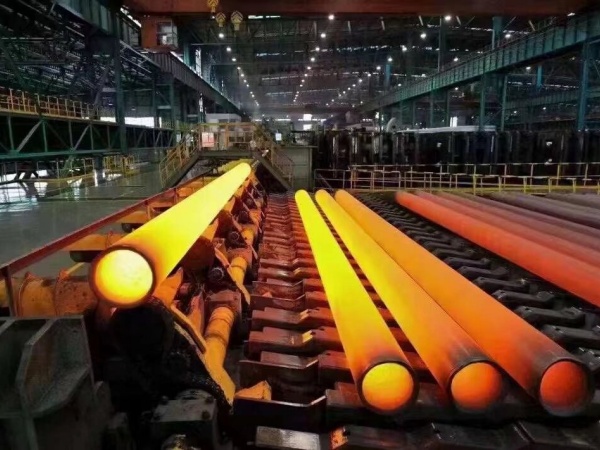
For seamless carbon steel pipe selection, define the service condition first, then specify the standard, grade, size, manufacturing condition, testing, and documentation.
1. What Factors Should Be Considered When Selecting Seamless Carbon Steel Pipe?
|
Selection Factor
|
What to Specify
|
|
Service Condition
|
Operating pressure, design temperature, and fluid medium
|
|
Standard
|
ASTM, API, EN, or project-specific specification
|
|
Steel Grade
|
ASTM A106 Gr. B, API 5L X52, ASTM A333 Gr. 6, etc.
|
|
Size
|
NPS, OD, WT, and Schedule (SCH)
|
|
Manufacturing Condition
|
Hot-Finished Seamless (HFS) or Cold-Drawn Seamless (CDS)
|
|
Testing
|
Hydrostatic, UT, ET, impact, or other specified tests
|
|
End Finish
|
Plain end, beveled, threaded, or coupled
|
|
Documentation
|
MTC, EN 10204 3.1/3.2, and required inspection records
|
2. Select the Applicable Standard and Steel Grade
The applicable seamless carbon steel pipe specification and grade should be selected according to the intended application and service conditions.
|
Application
|
Common Standard
|
Typical Grades
|
|
Pressure Piping
|
ASTM A106
|
Grade B, Grade C
|
|
General Service / Low-Pressure Piping
|
ASTM A53
|
Grade A, Grade B
|
|
Line Pipe
|
API 5L
|
Grade B, X42, X52, X60, X65
|
|
Boiler & Superheater
|
ASTM A192 / A210
|
A192, A210 Grade A1, Grade C
|
|
Mechanical Tubing
|
ASTM A519
|
1020, 1026, 1045
|
|
Oil & Gas Casing
|
API 5CT
|
J55, K55, N80, L80, P110
|
3. How to Select Pipe Size and Wall Thickness
Pipe size should be selected according to the required flow capacity, pressure rating, connection dimensions, and installation requirements.
|
Parameter
|
What It Means
|
|
NPS
|
Nominal pipe size used to identify the pipe size
|
|
OD
|
Outside diameter, important for connections and installation clearance
|
|
WT
|
Actual wall thickness, affecting pressure capacity and pipe weight
|
|
Schedule (SCH)
|
Standard wall-thickness designation, such as SCH 40, SCH 80, and SCH 160
|
For pressure service, the required wall thickness should be verified against the design pressure, design temperature, material grade, and applicable design code, including any specified corrosion allowance.
For detailed dimensions, wall thicknesses, and weights by NPS and Schedule, see [Seamless Steel Pipe Sizes].
4. Verify Design Temperature, Pressure, and Service Medium
Do not select a carbon steel pipe by size or Schedule alone. Design pressure, design temperature, and service medium determine the material grade, required wall thickness, and applicable specification.
1) Design Pressure & Wall Thickness:
Wall thickness should be verified using the applicable design code, considering design pressure, design temperature, material allowable stress, pipe diameter, and corrosion allowance. For process piping, ASME B31.3 is commonly used as the design basis. A higher Schedule should not be selected simply because it appears to provide a higher pressure rating; the required wall thickness should be confirmed by the design calculation.
2) Design Temperature:
At elevated temperatures, the allowable stress of carbon steel generally decreases, so the selected grade must have adequate strength at the actual design temperature. For low-temperature service, verify the required impact toughness and test temperature. Where applicable, a low-temperature specification such as ASTM A333 Grade 6 may be required, with the specified impact testing.
3) Service Medium & Environmental Conditions:
The transported medium determines whether additional corrosion or material requirements apply. Consider the fluid composition, operating temperature, pressure, corrosion mechanism, and expected service life when selecting the pipe material and corrosion allowance.
4) Sour Service:
When the service contains hydrogen sulfide (H₂S), the pipe may require additional controls for hardness, heat treatment, and resistance to sulfide-related cracking. Where applicable, material selection should comply with NACE MR0175 / ISO 15156 together with the requirements of the applicable pipe specification and project specification.
5. When Are Additional Testing and Inspection Requirements Needed?
Additional testing and inspection should be specified when required by the product standard, service conditions, or project specification.
|
Requirement / Service Condition
|
Typical Test or Inspection
|
|
Pressure Service
|
Hydrostatic test
|
|
Internal or Surface Defects
|
UT, ET, or other specified NDT
|
|
Low-Temperature Service
|
Charpy impact test
|
|
Sour Service
|
NACE MR0175 / ISO 15156 compliance and any specified sour-service testing
|
|
Mechanical Properties
|
Tensile, yield strength, elongation, and hardness tests
|
|
Material Traceability
|
MTC / MTR, including EN 10204 3.1 or 3.2 when required
|
|
Project Inspection
|
Third-party inspection when specified
|
Additional testing should be required only when specified by the applicable standard, service condition, or project requirements.
6. What Information Should Be Specified When Ordering?
To obtain an accurate quotation and avoid specification gaps, the RFQ or purchase order should clearly state the following information:
|
Purchase Item
|
What to Specify
|
|
Standard & Grade
|
ASTM A106 Grade B, API 5L X52 PSL2, etc.
|
|
Dimensions
|
NPS / DN, OD, WT, and Schedule
|
|
Quantity & Length
|
Required quantity and specified length or random length
|
|
Manufacturing Condition
|
Hot-finished or cold-drawn, when required by the specification
|
|
Heat Treatment
|
Normalized, normalized and tempered, or other required condition
|
|
End Finish
|
Plain end, beveled end, threaded, or coupled
|
|
Testing & Inspection
|
Hydrostatic test, NDT, impact test, or other specified requirements
|
|
Documents
|
MTC / MTR, EN 10204 3.1 or 3.2, and third-party inspection when required
|
Read More:Types of seamless carbon steel pipes and Models And Standards of Carbon Seamless Steel Pipes



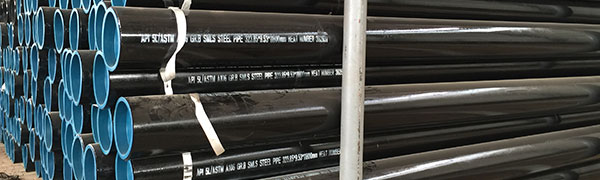
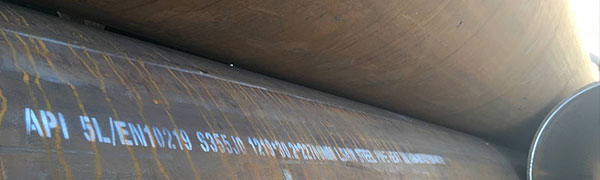


 Eastern Steel Manufacturing Co.,Ltd not only improve product production and sales services, but also provide additional value-added services. As long as you need, we can complete your specific needs together.