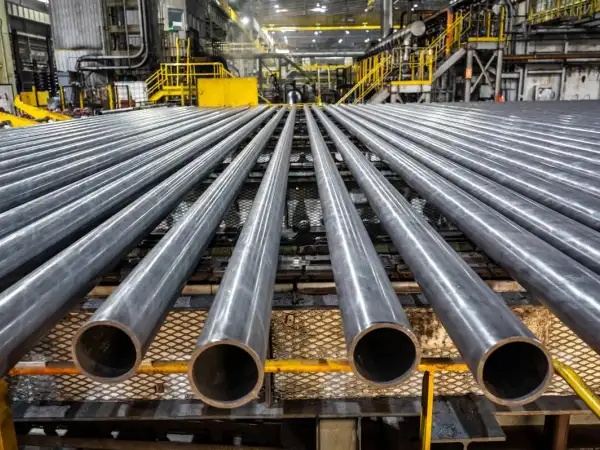
If you are choosing pipe fittings or threaded connections, understanding the difference between BSP and NPT threads is essential.
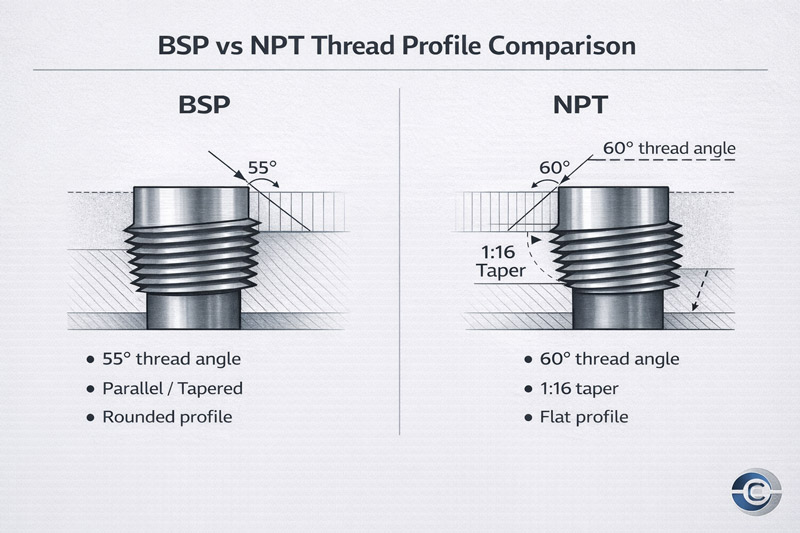
Although BSP and NPT threads may look similar, they use different thread angles, dimensions, and sealing methods. In most industrial applications, they are not directly interchangeable.
This guide explains the key differences between BSP and NPT threads, compares BSPP, BSPT, and NPT, and helps you choose the correct standard for your system.
1. Quick Answer: BSP vs NPT
BSP and NPT threads are not interchangeable.
Although they may appear similar in size, BSP and NPT differ in thread angle, sealing method, and thread form. Using them together may result in leakage or connection failure.
In general:
- Use BSP for European and Asian systems
- Use NPT for North American systems
Important: Even if BSP and NPT threads can be screwed together partially, they will not seal correctly under pressure.
2. BSP vs. NPT Thread Comparison Chart
This table compares the key technical differences between BSP and NPT pipe thread standards. Understanding these differences helps prevent leakage, thread damage, and compatibility issues in industrial systems.
|
Feature
|
BSP (British Standard Pipe)
|
NPT (National Pipe Taper)
|
|
Full Name
|
British Standard Pipe
|
National Pipe Taper
|
|
Thread Angle
|
55° (Whitworth Form)
|
60° (Sellers Form)
|
|
Thread Profile
|
Rounded crests and roots
|
Flat crests and roots
|
|
Thread Types
|
BSPP (Parallel) / BSPT (Tapered)
|
Tapered only
|
|
Common Markings
|
G, R, Rc
|
NPT, MNPT, FNPT
|
|
Sealing Method
|
BSPP: Washer / O-ring / Bonded Seal
BSPT: Thread interference
|
Mechanical thread interference
(typically with sealant tape or paste)
|
|
Main Standards
|
ISO 7, ISO 228, BS 21
|
ASME B1.20.1
|
|
Main Markets
|
Europe, Asia, Australia, UK
|
USA, Canada, Mexico
|
|
Interchangeable
|
No
|
No
|
Important: Similar nominal size does not mean BSP and NPT threads are compatible. Always verify thread standard before assembly.
3. Can BSP and NPT Be Used Together?
Short answer: No, not as a reliable engineering solution.
Although BSP and NPT threads may appear to fit at first, they are not designed to seal together. The difference in thread angle, pitch, and sealing geometry prevents proper engagement.
Using BSP with NPT may result in:
- Thread damage during tightening
- Excessive torque requirement
- Incomplete sealing
- Leakage under pressure or vibration
In low-pressure or temporary situations, a connection may hold with sealant. However, this should never be considered a permanent solution.
For any pressure system, always use the correct thread standard or a dedicated BSP-to-NPT adapter.
4. What Is BSP Thread?
BSP (British Standard Pipe) is widely used in Europe, Asia, and international equipment systems, particularly in projects using carbon steel pipes for fluid transport and mechanical systems.
Unlike NPT, BSP includes two thread types depending on the sealing method:
4.1 BSPP (British Standard Pipe Parallel)
BSPP is a straight (parallel) thread. The threads mainly provide mechanical retention, while sealing is achieved by a separate sealing element rather than by thread interference.
Typical sealing methods include:
- Bonded washer
- O-ring face seal
- Dowty seal
- Captive gasket
BSPP threads are commonly identified by the letter G and are widely used in hydraulic ports, instrumentation connections, valves, and reusable service fittings where controlled sealing surfaces are preferred.
4.2 BSPT (British Standard Pipe Taper)
BSPT is a tapered thread that seals through thread interference.
As the threads are tightened, the taper creates a sealing effect without additional sealing components.
Common applications include:
- General piping connections
- Water and air lines
- Mechanical service connections
- Utility systems
BSPT threads are commonly marked as R (male taper) and Rc (female taper).
BSPP vs BSPT Quick Comparison
|
Feature
|
BSPP
|
BSPT
|
|
Thread Form
|
Parallel
|
Tapered
|
|
Typical Marking
|
G
|
R / Rc
|
|
Sealing Method
|
Washer / O-ring / Seal face
|
Thread interference
|
|
Reusability
|
High
|
Moderate
|
|
Common Use
|
Hydraulic ports, instruments
|
Pipe connections, utilities
|
5. What Is NPT Thread?
NPT (National Pipe Taper) is the standard pipe thread used in the United States and North America.
It is a tapered thread system designed to seal through thread interference.
Several characteristics define the NPT system:
- 60° thread angle based on the Sellers form
- 1:16 taper along the thread length
- Mechanical sealing by thread interference
- Often installed with PTFE tape or thread sealant to improve leak resistance
- Standardized dimensions under ASME B1.20.1
NPT threads are commonly found in systems that utilize seamless steel pipe for high-pressure and critical service applications, such as:
- Oil and gas piping systems
- Hydraulic and pneumatic lines
- Instrumentation connections
- Process equipment
- General industrial pipe fittings
- Maintenance and repair applications
In practice, NPT remains popular because it is widely available, familiar to technicians, and suitable for many pressure-service connections when installed correctly.
6. Key Differences Between BSP and NPT Threads
The main differences between BSP and NPT threads include:
- Thread Angle: BSP uses a 55° angle, while NPT uses 60°
- Thread Form: BSP follows the Whitworth profile; NPT uses the Sellers profile
- Thread Type: BSP includes both parallel (BSPP) and tapered (BSPT), while NPT is always tapered
- Sealing Method: BSPP requires a washer or O-ring; NPT and BSPT seal through thread interference
- Compatibility: Not interchangeable due to structural differences
7. BSP vs NPT Size Reference
At first glance, BSP and NPT fittings of the same nominal size may appear interchangeable because their outside diameters (OD) are often within 1–2 mm of each other.
However, compatibility fails at the thread level — especially in Threads Per Inch (TPI) and thread angle.
The table below shows why BSP and NPT cannot be mixed, even when the sizes look similar:
|
Nominal Size
|
BSP TPI (Pitch)
|
NPT TPI (Pitch)
|
OD Similarity
|
Compatibility Risk
|
|
1/8"
|
28
|
27
|
Extremely Close
|
Cross-threading
|
|
1/4"
|
19
|
18
|
Very Close
|
Will jam after 1-2 turns
|
|
3/8"
|
19
|
18
|
Very Close
|
Will jam after 1-2 turns
|
|
1/2"
|
14
|
14
|
Matches
|
Danger: Angle mismatch (55° vs 60°)
|
|
3/4"
|
14
|
14
|
Matches
|
Danger: Angle mismatch (55° vs 60°)
|
|
1"
|
11
|
11.5
|
Distinct
|
Improper engagement
|
The “1/2-inch trap”:
One of the most misleading cases occurs at 1/2" and 3/4", where BSP and NPT share the same 14 TPI. Although the threads may engage smoothly, the 55° vs 60° angle difference prevents proper sealing.
These connections often appear correct during installation but will leak or fail under pressure or vibration.
8. How to Identify BSP or NPT Threads
If you are unsure of the thread type, do not rely on a visual guess. Follow this fast-track identification logic:
Check the Taper: Use a caliper to measure the OD at both ends. If the diameter is constant, it is BSPP (G). If it changes, it is NPT or BSPT.
Count the Pitch (TPI): Use a pitch gauge. For example, at 1/4" size, BSP has 19 TPI while NPT has 18 TPI—this 1-tooth difference is the most common identifier.
Verify the Origin: European and Asian equipment typically utilize BSP, while North American machinery standardizes on NPT.
9. Which One Should You Use?
The choice is dictated by your existing system's standard to ensure a leak-free seal:
Regional Standards: Use NPT for North American (ASME) projects; use BSP (ISO) for European or international hydraulic systems.
Application Need: Use BSPP where space is limited and a low-profile bonded seal is preferred. Use NPT/BSPT for high-pressure interference seals.
The Golden Rule: Never force-fit mismatched threads. If you must connect the two standards, always use a BSP to NPT adapter.
10. Related Pipe and Fitting Applications
Thread standards are only one part of a reliable connection. In real projects, engineers also consider pressure rating, material grade, corrosion conditions, and pipe specifications.
BSP and NPT threads are commonly used in applications such as:
- Threaded steel pipe for utility lines, water systems, gas service, and mechanical piping
- Pipe fittings including elbows, tees, couplings, reducers, unions, and adapters
- Instrument tubing and small-bore process connections
- Hydraulic and pneumatic assemblies
- Pumps, valves, and manifold connections
- Oilfield accessories such as drill pipe, casing and tubing components.
For higher-pressure or more demanding service conditions, thread compatibility should always be checked together with the pipe standard and material selection.
11. FAQs
Q1: Is BSP the same as NPT?
No. BSP and NPT use different thread angles, profiles, and sealing methods, so they are separate standards.
Q2: Can BSP connect to NPT?
They may partially engage in some sizes, but they are not designed to seal together. A proper adapter is recommended.
Q3: What is the difference between BSPP and BSPT?
BSPP is parallel and normally seals with a washer or O-ring. BSPT is tapered and seals through thread interference.
Q4: Which is better, BSP or NPT?
Neither is better in all situations. The correct option is the one specified by your equipment or system standard.
Q5: How do I know if my fitting is BSP or NPT?
Check whether the thread is parallel or tapered, measure the pitch, and confirm the thread angle with the proper gauge.
Q6: Why do BSP and NPT look similar?
Because some nominal sizes have close outside diameters. However, similar appearance does not mean the thread geometry is the same.
12. Conclusion
BSP and NPT threads may appear similar, but they differ in thread angle, sealing method, and overall geometry. In practical applications, they should not be used interchangeably, especially in pressure systems.
As a general guideline, BSP is typically used in European and international systems, while NPT is used in North American standards. Selecting the correct thread type helps ensure proper sealing, consistent assembly, and long-term reliability.
For projects involving threaded steel pipe or fittings, verifying the applicable thread standard before machining or installation is a necessary step to avoid rework or leakage issues.
Material selection, pipe standards, and thread compatibility also play a critical role in system performance and safety.
For related technical references, you may also find the following topics useful:
- BSP Tap Drill Size Comparison
- Pipe Thread Standards Overview
- Seamless vs Welded Pipe Selection Guide



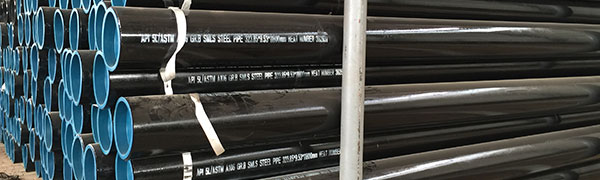
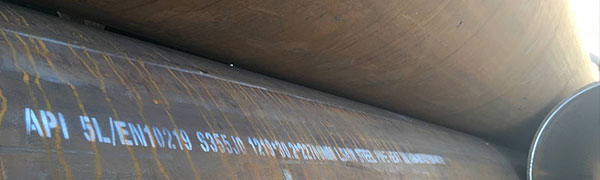
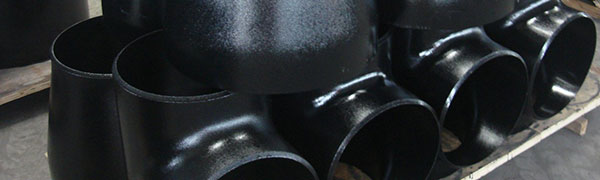
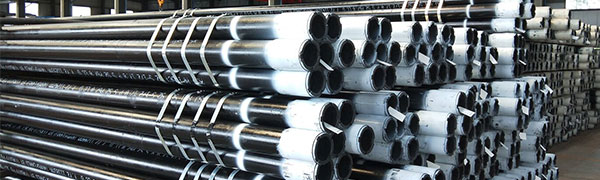



 Eastern Steel Manufacturing Co.,Ltd not only improve product production and sales services, but also provide additional value-added services. As long as you need, we can complete your specific needs together.