Choosing the correct tap drill size for BSP threads is critical to ensure proper thread engagement and reliable sealing performance.
In practical applications, BSP threads are widely used in piping systems, hydraulic equipment, and industrial machinery across Europe, Asia, and international markets. These threads may be either parallel (BSPP) or tapered (BSPT), and the selection of the correct drill size directly affects thread quality and sealing behavior.
For quick reference, the most commonly used BSP tap drill sizes are listed below:
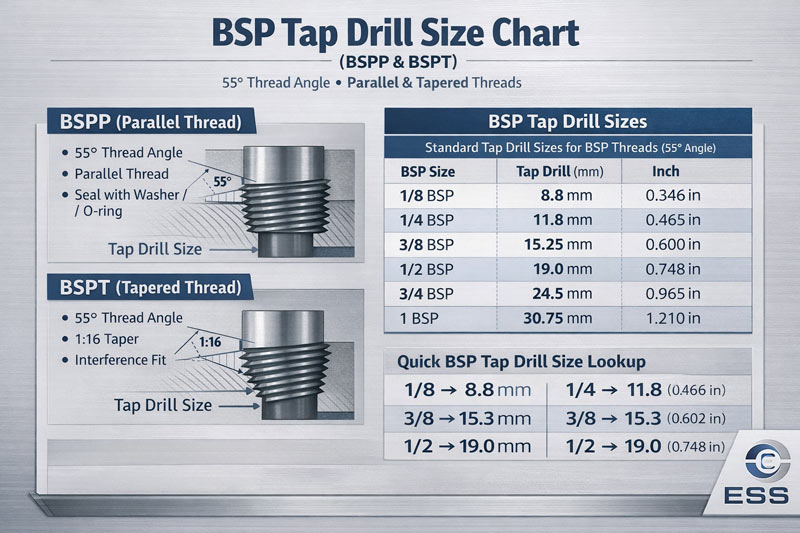
- 1/8 BSP → 8.8 mm (0.346 in)
- 1/4 BSP → 11.8 mm (0.465 in)
- 3/8 BSP → 15.3 mm (0.602 in)
- 1/2 BSP → 19.0 mm (0.748 in)
1. BSP Tap Drill Size Chart
The following values are commonly used reference drill sizes for BSP threads based on standard thread profiles and typical machining practices. Actual drill selection may vary slightly depending on material, tolerance requirements, and tapping conditions.
|
BSP Size (Inch)
|
TPI
|
Major Diameter (mm)
|
Tap Drill Size (mm)
|
|
1/16"
|
28
|
7.72
|
6.60
|
|
1/8"
|
28
|
9.73
|
8.80
|
|
1/4"
|
19
|
13.16
|
11.80
|
|
3/8"
|
19
|
16.66
|
15.25
|
|
1/2"
|
14
|
20.96
|
19.00
|
|
5/8"
|
14
|
22.91
|
21.00
|
|
3/4"
|
14
|
26.44
|
24.50
|
|
1"
|
11
|
33.25
|
30.75
|
|
1-1/4"
|
11
|
41.91
|
39.50
|
|
1-1/2"
|
11
|
47.80
|
45.00
|
|
2"
|
11
|
59.61
|
57.00
|
|
2-1/2"
|
11
|
75.18
|
72.50
|
|
3"
|
11
|
87.88
|
85.30
|
Technical Notes for Engineers:
Thread Engagement: The listed drill sizes are based on approximately 70–75% thread engagement, which is commonly used in general industrial applications to balance strength and tapping efficiency.
Material Consideration: For harder materials such as stainless steel (e.g., SS304/316), using a slightly larger drill size (≈ +0.1 mm) can help reduce tapping torque and minimize the risk of tap breakage.
Machining Practice: Proper lubrication is essential when tapping BSP threads. Using high-quality cutting oil improves surface finish and extends tool life, especially in deeper or blind holes.
2. Standard Tap Drill Sizes for BSP Threads
The following specifications apply to BSPP (British Standard Pipe Parallel) threads, also known as G series.
2.1 1/4" BSP (G 1/4) Tap Drill Size
The recommended tap drill size for 1/4" BSP (G 1/4, 19 TPI) is 11.80 mm (0.465 inch).
This size is widely used in hydraulic fittings and pneumatic manifolds, providing a practical balance between thread engagement (≈70–75%) and tapping torque. It is considered the standard reference size for most general-purpose applications.
|
Thread Size
|
TPI
|
Major Diameter (mm)
|
Tap Drill (mm)
|
Tap Drill (inch)
|
|
1/4 BSP
|
19
|
13.16
|
11.80
|
0.465
|
2.2 1/2" BSP (G 1/2) Tap Drill Size
For a 1/2" BSP (G 1/2, 14 TPI) thread, the recommended tap drill size is 19.00 mm (0.748 inch).
This is one of the most commonly used BSP thread sizes in industrial piping systems. Using the correct drill size ensures sufficient thread depth while maintaining manageable cutting resistance during tapping operations.
|
Thread Size
|
TPI
|
Major Diameter (mm)
|
Tap Drill (mm)
|
Tap Drill (inch)
|
|
1/2 BSP
|
14
|
20.96
|
19.00
|
0.748
|
2.3 3/8" BSP (G 3/8) Tap Drill Size
The standard tap drill size for 3/8" BSP (G 3/8, 19 TPI) is 15.25 mm (≈0.600 inch).
This size is typically used in medium-flow systems such as compressed air lines, coolant systems, and general industrial piping where consistent thread quality is required.
|
Thread Size
|
TPI
|
Major Diameter (mm)
|
Tap Drill (mm)
|
Tap Drill (inch)
|
|
3/8 BSP
|
19
|
16.66
|
15.25
|
0.600
|
2.4 1/8" BSP (G 1/8) Tap Drill Size
For 1/8" BSP (G 1/8, 28 TPI), the recommended tap drill size is 8.80 mm (0.346 inch).
This smaller thread size is commonly used in instrumentation fittings and pneumatic systems. Maintaining proper drill size is critical to ensure sealing performance and avoid thread deformation.
|
Thread Size
|
TPI
|
Major Diameter (mm)
|
Tap Drill (mm)
|
Tap Drill (inch)
|
|
1/8 BSP
|
28
|
9.73
|
8.80
|
0.346
|
3. BSP vs BSPT vs NPT
BSP (British Standard Pipe) uses a 55° thread angle, while NPT (National Pipe Taper) uses a 60° angle. Although they may appear similar in some nominal sizes, they are based on different thread standards.
BSP includes two main types:
- BSPP (parallel thread): seals using a washer, O-ring, or bonded seal
- BSPT (tapered thread): seals through thread interference
Although BSPT and NPT are both tapered, they are not interchangeable due to differences in thread angle and geometry. In practice, mismatched connections can lead to leakage or thread damage, especially in pressure systems.
In real-world applications, these thread standards are not used in isolation—they are part of complete piping systems. The choice of thread type must align with the pipe and connection method used in the system.
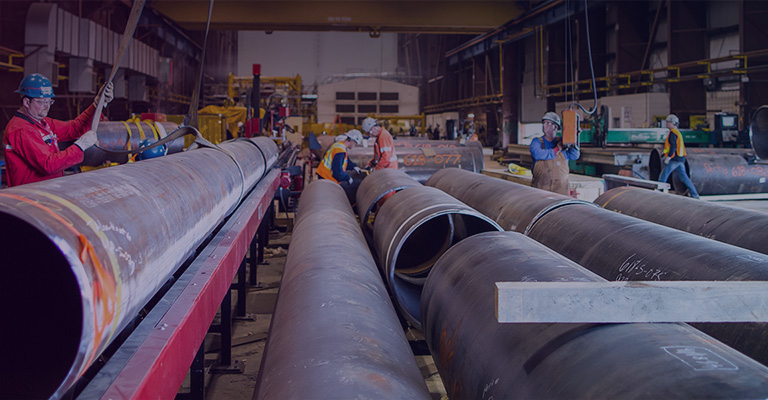
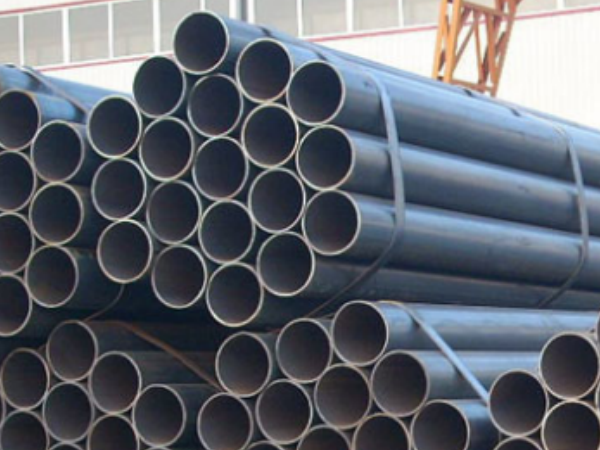
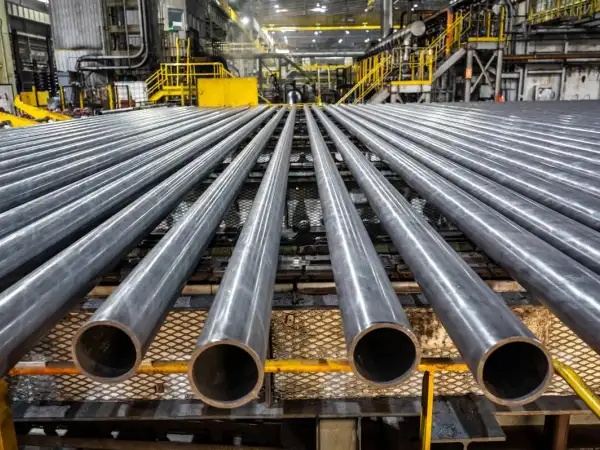
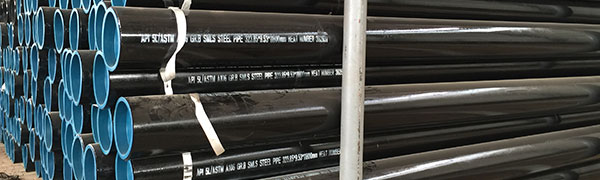
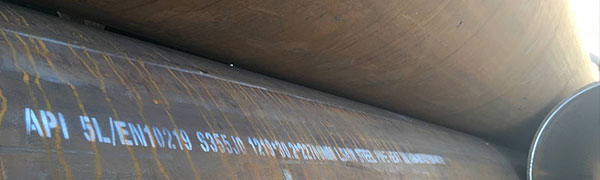
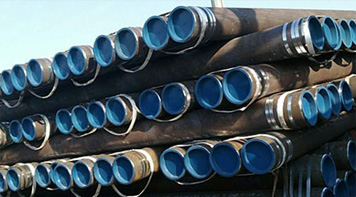
For example, BSP threads are commonly applied in pressure piping systems built with seamless steel pipe or welded steel pipe, depending on the required strength, pressure rating, and manufacturing specifications.
4. How to Select the Correct Tap Drill Size
(1) Thread’s Major Diameter
The drill size must be smaller than the major diameter to leave enough material for the tap to form the thread profile correctly.
(2) Thread Engagement
In most industrial applications, a thread engagement of around 70–75% is considered optimal. This level provides sufficient mechanical strength while keeping tapping torque within a reasonable range, reducing the risk of tool breakage.
(3) Manufacturing conditions
Actual hole size can vary due to drill wear, machine accuracy, and material properties. For harder materials such as stainless steel, a slightly larger drill size is often used to maintain stable cutting conditions.
Standard BSP tap drill charts provide a reliable baseline, but in practice, minor adjustments are common depending on the material and machining environment.
5. Common Mistakes When Selecting Tap Drill Sizes
In practice, incorrect tap drill selection is a common cause of poor thread quality, leakage, and tool failure. The following issues are frequently encountered in machining and assembly:
Mistake 1: Using NPT drill sizes for BSP threads
Although BSP and NPT threads may appear similar, their geometry differs. Applying NPT drill size references to BSP threads often results in improper thread engagement and sealing problems.
Mistake 2: Ignoring thread type (parallel vs. tapered)
BSPP and BSPT threads require different considerations. Treating a parallel thread as a tapered one—or vice versa—can lead to incorrect hole preparation and poor sealing performance.
Mistake 3: Relying solely on experience
While experienced machinists may adjust drill sizes based on conditions, relying purely on guesswork without referencing standard charts increases the risk of inconsistency and defects.
Mistake 4: Overlooking machining conditions
Factors such as material hardness, tool wear, and lubrication significantly affect the final thread quality. Ignoring these can lead to excessive torque, poor surface finish, or tap breakage.
6. Typical Applications of BSP Threads
BSP threads are widely used in industrial and mechanical systems where reliable threaded connections are required.
Typical applications include:
- Industrial piping systems for fluid and gas transport
- Hydraulic and pneumatic equipment
- Machinery and equipment manufactured in Europe and Asia
- Instrumentation and control system connections
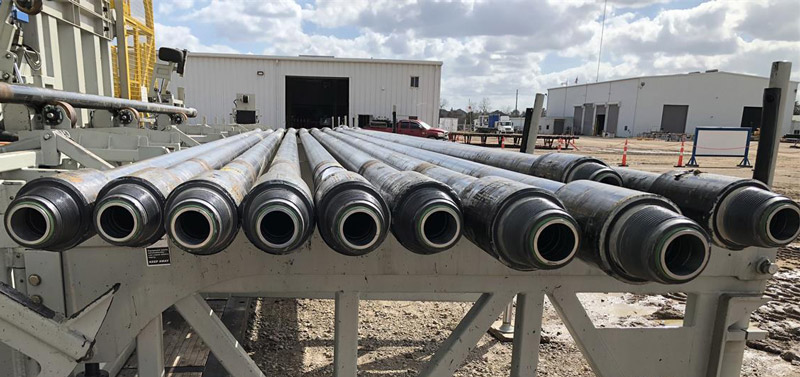
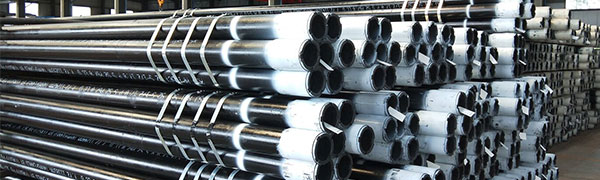
In more demanding environments, threaded connections are also used in high-pressure and energy-related systems. In oil and gas applications, connection performance becomes critical, and these systems are often associated with OCTG products used in drilling and well operations, where thread design and connection standards are tightly controlled.
7. FAQs
Q1: What drill size is used for a 1/4 BSP tap?
The standard tap drill size for a 1/4 BSP thread is 11.80 mm (0.465 inch). This size provides the correct balance between thread engagement and tapping torque in most applications.
Q2: Is BSP the same as NPT?
No, BSP and NPT are not the same. They differ in thread angle (55° vs 60°), thread form, and sealing method. As a result, they are not directly interchangeable.
Q3: What is the difference between BSPP and BSPT?
BSPP threads are parallel and require a sealing washer or O-ring, while BSPT threads are tapered and seal through thread interference. The choice depends on the connection design and sealing method required.
Q4: Can BSP and NPT threads be used together?
No, BSP and NPT threads should not be used together. Even if they appear to fit, differences in thread geometry can lead to leakage, poor engagement, and potential failure under pressure.
8. Conclusion
In most industrial applications, standard BSP tap drill charts provide a reliable baseline for machining. However, actual selection should always consider the thread type (BSPP or BSPT), material properties, and machining conditions to ensure consistent results.
For oilfield applications, connection performance extends beyond standard BSP threads and may involve specialized products such as drill pipe, casing, tubing, and other OCTG components designed for drilling and production environments.
For related technical references, you may also find the following topics useful:
- BSP vs NPT Thread Comparison
- Pipe Thread Standards Overview
- Seamless vs Welded Pipe Selection Guide





 Eastern Steel Manufacturing Co.,Ltd not only improve product production and sales services, but also provide additional value-added services. As long as you need, we can complete your specific needs together.