1. Quick Answer
If your project involves oil & gas pipelines → choose API 5L
If your system operates in high-temperature environments (boilers, refineries, steam systems) → choose ASTM A106
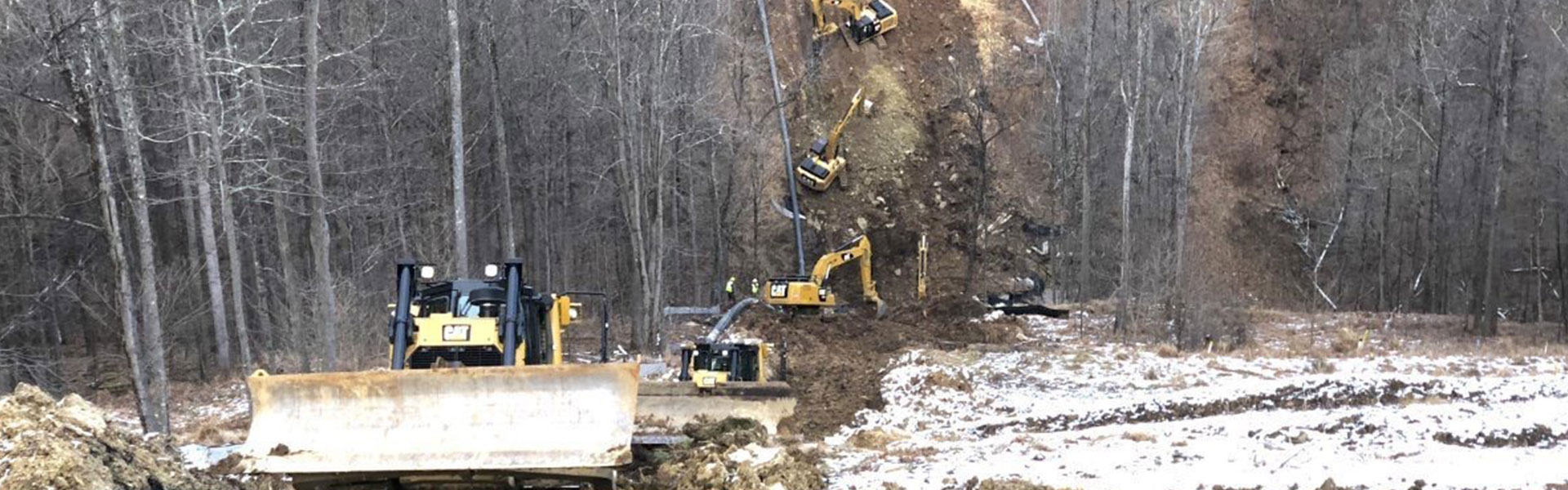
For pipeline transportation: In long-distance transmission of crude oil, natural gas, or industrial water—especially under low-temperature or harsh conditions—high toughness and crack resistance are critical. In such cases, API 5L is the more suitable choice.
For high-temperature pressure systems: In industrial boilers, refinery units, and steam lines, pipes are exposed to sustained temperatures above 400°C. ASTM A106 provides more reliable high-temperature strength and long-term stability in these conditions.
Note: In most oil & gas pipeline projects, API 5L (especially PSL2) is considered the default specification.
2. Comparison Table: Key Differences Between API 5L and ASTM A106
The table below summarizes the core technical differences between API 5L and ASTM A106, helping engineers and procurement professionals quickly determine the appropriate standard for pipeline systems and high-temperature applications.
It compares key factors including application, operating temperature, grades, mechanical properties, chemical composition, certification, manufacturing, price, and typical projects—along with recommended use cases for practical selection.
|
Feature
|
API 5L
|
ASTM A106
|
Typical Project
|
Recommended For
|
|
Application
|
Oil & gas transmission pipelines
|
High-temperature steam / boiler piping
|
Pipeline transport vs high-temperature service
|
Pipelines: API 5L; Boilers/Refineries: A106
|
|
Temperature
|
Ambient to moderate
|
High temperature (up to 400°C+)
|
Crude oil / gas pipelines vs steam lines
|
Low to moderate temp: API 5L; High temp: A106
|
|
Grades
|
X42–X70 (PSL1 / PSL2)
|
B, C, D
|
Pipeline grades vs boiler grades
|
Long-distance pipelines: API 5L; High-temp systems: A106
|
|
Mechanical Properties
|
High toughness, impact resistance
|
High-temperature strength, creep resistance
|
Crack resistance vs thermal stability
|
Dynamic loads: API 5L; High-temp stability: A106
|
|
Chemical Composition
|
Strict control of S, P, C
|
Relatively standard composition
|
Corrosion control vs heat resistance
|
Strict specs: API 5L; General high-temp: A106
|
|
Certification
|
API certification (PSL1 / PSL2)
|
ASTM standard
|
Project compliance requirements
|
EPC pipeline projects: API 5L; Industrial systems: A106
|
|
Manufacturing
|
Seamless or welded
|
Seamless
|
Long-distance transport vs steam service
|
Pipelines: API 5L; Boiler piping: A106
|
|
Price
|
Higher
|
Relatively lower
|
Cost comparison
|
Cost-sensitive projects: A106; Reliability-critical pipelines: API 5L
|
|
Typical Applications
|
Oil & gas pipelines
|
Boilers, steam lines, refineries
|
Real-world usage scenarios
|
Pipeline engineering: API 5L; High-temp service: A106
|
3. What Is API 5L & ASTM A106
3.1 API 5L
Developed by the American Petroleum Institute, API 5L is a standard specifically designed for oil and gas transmission pipelines. Its primary focus is to ensure strength, toughness, and overall reliability during long-distance transportation.
3.2 ASTM A106
Published by ASTM International, ASTM A106 is a seamless carbon steel pipe standard intended for high-temperature and high-pressure service. It emphasizes material stability and strength retention under elevated temperatures.
(For a broader comparison of standard systems, see our ASTM vs API vs EN guide.)
4. Key Differences Explained
The comparison table above outlines where each standard is typically used. However, in real projects, the real challenge is not simply “which one to choose,” but understanding why these two standards are often not directly interchangeable in the first place. The answer lies in how they are designed to perform—and more importantly, how they fail under different conditions.
4.1 It’s Not Just About Parameters
Many selection mistakes come from a common assumption: if strength is similar and dimensions match, the materials can be substituted.
In reality, engineering environments are never defined by a single load. Over time, materials are exposed to combined effects of temperature, stress, and duration—not just a one-time condition. This is where the differences between API 5L and ASTM A106 become significant.
4.2 Two Fundamentally Different Use Logics
API 5L is designed as part of a pipeline system. It must handle unpredictable conditions during long-distance transport, such as low temperatures, external impact, and the risk of crack propagation.
ASTM A106, by contrast, is typically used within controlled equipment environments. While external conditions are more stable, the pipe is continuously exposed to high temperature and pressure.
The key question here is not external impact, but whether the material can maintain its strength over time, resisting creep and thermal degradation.
4.3 The Real Difference Comes Down to Risk
API 5L can be used in moderate or even certain high-temperature applications, but it is not specifically designed for sustained high-temperature service.
ASTM A106 performs well under ambient conditions, but in long-distance pipelines or low-temperature impact scenarios, its advantages are limited.
Ultimately, what separates these two standards is not the temperature rating itself, but how the material behaves over time under that temperature.
4.4 Mechanical Properties
In pipeline projects, the primary concern is sudden failure—once a crack initiates and propagates, the consequences can affect the entire system.
High-temperature systems behave differently. They are more of a slow-changing environment, where materials gradually approach their limits over time. If this is not properly accounted for, issues will emerge during operation rather than at the initial stage.
This is why, in most real-world projects, these two standards are rarely considered interchangeable. It’s not that substitution is impossible, but once applied in mismatched conditions, their respective limitations tend to become critical.
5. When to Choose API 5L or ASTM A106
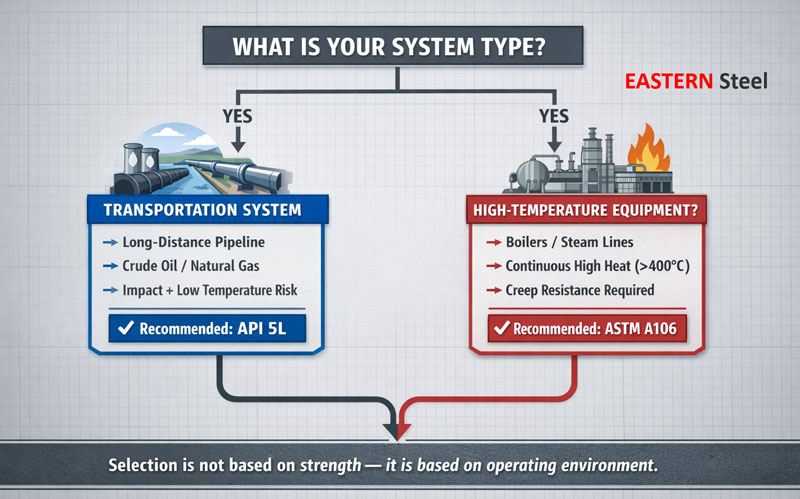
In practice, material selection rarely starts with the standard itself. It usually begins with the operating conditions, and the material is chosen accordingly.
In other words, you are not really comparing API 5L and ASTM A106—you are identifying which type of engineering scenario your system belongs to.
5.1 Scenarios Closer to “Pipeline Systems”
If your project is fundamentally a transportation system—such as long-distance transmission of crude oil, natural gas, or industrial fluids—the choice is usually straightforward.
In these cases, pipes are exposed not only to internal pressure, but also to environmental variations, temperature fluctuations, and potential impact loads. System integrity and resistance to failure become more critical than material strength alone.
Under these conditions, API 5L is typically the default choice. In projects involving certification or international delivery, PSL2 is often considered a baseline requirement.
5.2 Systems Closer to “Equipment Service Conditions”
If the pipe functions as part of equipment rather than for transportation—such as in boilers, steam systems, or refinery units—the selection logic shifts.
Here, the key concern is no longer whether the pipe can handle pressure, but whether it can maintain performance over time under high temperature.
Temperature, exposure time, and microstructural stability become dominant factors. This is why ASTM A106 is more commonly used in such systems—not because it is stronger, but because it is more stable under sustained high-temperature conditions.
5.3 Often Overlooked Decision Factors
In real projects, several less obvious factors often determine the standard selection directly. Once these conditions are defined, the “comparison” itself becomes unnecessary, as the choice is effectively predetermined.
(1) Is API certification required?
If yes, API 5L becomes a mandatory requirement. ASTM A106 is typically not considered.
(2) Is low-temperature impact testing required?
If yes, PSL2 is usually the baseline, and ASTM A106 is unlikely to be part of the technical discussion.
(3) Is there sustained high-temperature service over long operating cycles?
If yes, ASTM A106’s stability advantage becomes the deciding factor.
5.4 A Practical Rule of Thumb
If the primary risk in your system comes from environmental conditions and transportation factors, API 5L is generally the better fit.
If the risk is driven by temperature and long-term operation, ASTM A106 is the more reliable choice.
6. Can ASTM A106 Replace API 5L (or Vice Versa)?
In theory, there is some overlap in certain parameters between these two materials, which leads to occasional consideration of substitution. However, in practice, such substitutions are usually limited.
(1) ASTM A106 Rarely Replaces API 5L
The main reason is not performance, but certification.
In oil and gas pipeline projects, API 5L is not just a material standard—it is often a qualification requirement. Since ASTM A106 does not carry API certification, it is typically excluded from consideration in most pipeline projects.
(2) API 5L Is Not Recommended to Replace ASTM A106
In certain moderate-temperature applications, API 5L (such as X42) may be used. However, this is not what it is designed for.
In environments with sustained temperatures above 400°C, ASTM A106 offers better long-term stability and creep resistance, making it the more appropriate choice.
7. Common Mistakes
1. Is API 5L and ASTM A106 the same standard?
No. Although both use carbon steel, they are designed for fundamentally different purposes.
API 5L is developed around pipeline systems, with a strong focus on weld quality, impact toughness, and overall system reliability.
ASTM A106 is a material performance standard, primarily concerned with strength and creep resistance at elevated temperatures.
In engineering practice, these standards address different operating conditions and are not interchangeable.
2. What is the difference between API 5L X52 and A106 Grade B?
API 5L X52 and ASTM A106 Grade B fall within a similar strength range, but their performance priorities are different.
API 5L X52 focuses on yield strength and low-temperature impact toughness, making it suitable for long-distance pipeline systems.
ASTM A106 Grade B is designed for stable performance at elevated temperatures, commonly used in boilers, steam lines, and refinery equipment.
In practice, the decision is not about which material is “stronger,” but whether your system is closer to a pipeline application or a high-temperature service environment.
3. Can API 5L be used for high temperature?
API 5L can be used under certain elevated temperature conditions, but it is not optimized for sustained high-temperature service.
In long-term operation above 400°C, ASTM A106 generally provides better stability and reliability.
From an engineering perspective, a common approach is:
Pipeline systems → API 5L
High-temperature boilers or steam lines → ASTM A106
Mixing the two without considering operating conditions is typically avoided to ensure system reliability.
8. Need Help Choosing the Right Standard?
Not sure whether API 5L or ASTM A106 fits your project?
Provide your application, operating temperature, and pipe specifications, and our engineering team will recommend the most suitable standard based on API, ASTM, and industry best practices—within 24 hours.
By sharing your project details, you’ll receive a tailored recommendation rather than a generic answer, helping you save design time and reduce procurement risks.
Read more: ASTM A106 vs. A53 Seamless Pipe and ASTM A106 Seamless Carbon Steel Pipe for High Temperature



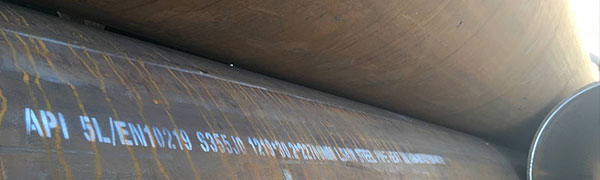
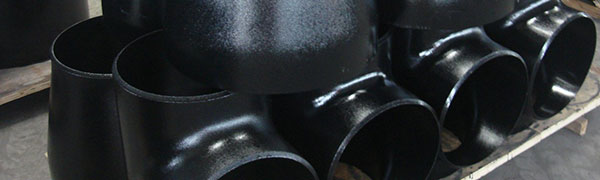
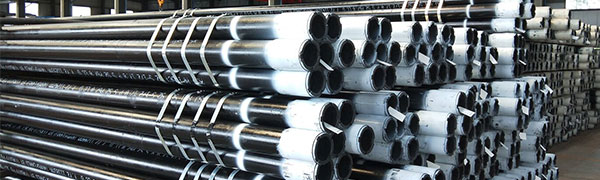
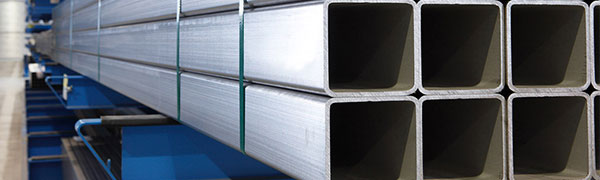


 Eastern Steel Manufacturing Co.,Ltd not only improve product production and sales services, but also provide additional value-added services. As long as you need, we can complete your specific needs together.