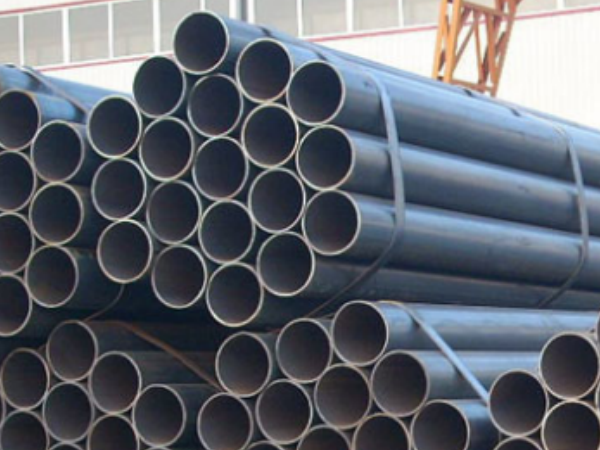
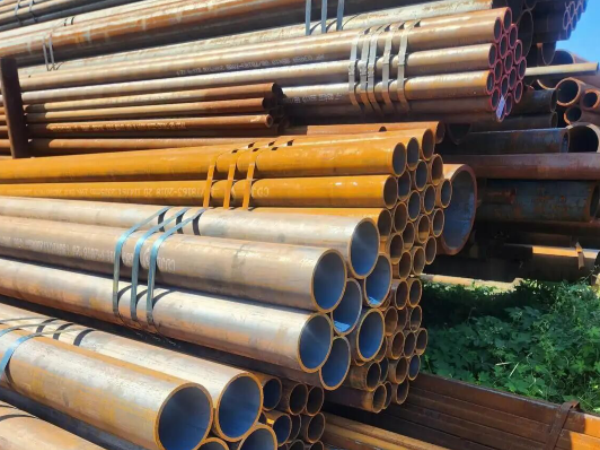
API H40 casing pipe is designed to conform to the API Spec 5CT
standard, which outlines the requirements for casing pipe and tubing in
oil and gas wells. This specification includes detailed information on
materials, mechanical properties, dimensions, and testing procedures.
Chemical Composition
The chemical composition of H40 casing pipe
is designed to balance strength and toughness. Typical chemical compositions of
H40 casing pipe include:
|
Element
|
Composition (%)
|
|
Carbon (C)
|
0.22 max
|
|
Manganese (Mn)
|
0.30-1.20
|
|
Phosphorus (P)
|
0.030 max
|
|
Sulfur (S)
|
0.030 max
|
|
Silicon (Si)
|
0.10-0.35
|
Mechanical Properties
H40 casing pipe is designed to provide
sufficient mechanical properties to withstand the pressures and stresses
encountered during drilling and production. Typical mechanical properties
include:
Tensile Strength: Minimum 552 MPa (80 ksi)
Yield Strength: Minimum 276 MPa (40 ksi)
Elongation: At least 20% within 2 inches.
Tolerances
API Spec 5CT specifies precise tolerances
to ensure the pipe meets quality and performance standards. These tolerances
include:
Outer Diameter (OD): ±1% of the specified outer diameter
Wall Thickness: ±12.5% of the specified wall thickness
Weight: ±10% of the
nominal weight per unit length
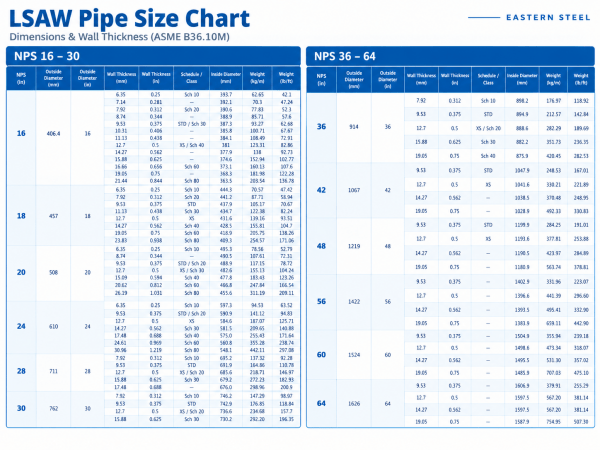
API 5CT H40 Casing Pipe Sizes
|
DN
|
O. D.
|
Weight
|
W. T.
|
End Machining Form
|
|
|
Steel Grade
|
|
|
in
|
mm
|
lb/ft
|
kg/m
|
in
|
mm
|
H40
|
|
|
|
|
4 1/2
|
4.500
|
114.3
|
9.5
|
14.14
|
0.205
|
5.21
|
PS
|
|
|
10.5
|
15.63
|
0.224
|
5.69
|
–
|
|
|
11.6
|
17.26
|
0.250
|
6.35
|
–
|
|
|
13.5
|
20.09
|
0.290
|
7.37
|
–
|
|
|
15.1
|
22.47
|
0.337
|
9.56
|
–
|
|
|
5
|
5.000
|
127
|
11.5
|
17.11
|
0.220
|
5.59
|
–
|
|
|
13
|
19.35
|
0.253
|
6.43
|
–
|
|
|
15
|
22.32
|
0.296
|
7.52
|
–
|
|
|
18
|
26.79
|
0.362
|
9.19
|
–
|
|
|
21.4
|
31.85
|
0.437
|
11.1
|
–
|
|
|
23.2
|
34.53
|
0.478
|
12.14
|
–
|
|
|
24.1
|
35.86
|
0.500
|
12.7
|
–
|
|
|
5 1/2
|
5.500
|
139.7
|
14
|
20.83
|
0.244
|
6.2
|
PS
|
|
|
15.5
|
23.07
|
0.275
|
6.98
|
–
|
|
|
17
|
25.3
|
0.304
|
7.72
|
–
|
|
|
20
|
29.76
|
0.361
|
9.17
|
–
|
|
|
23
|
34.23
|
0.415
|
10.54
|
–
|
|
|
26.8
|
39.88
|
0.500
|
12.7
|
–
|
|
|
29.7
|
44.2
|
0.562
|
14.27
|
–
|
|
|
32.6
|
48.51
|
0.625
|
15.88
|
–
|
|
|
35.3
|
52.53
|
0.687
|
17.45
|
–
|
|
|
38
|
56.55
|
0.750
|
19.05
|
–
|
|
|
40.5
|
60.27
|
0.812
|
20.62
|
–
|
|
|
43.1
|
64.14
|
0.875
|
22.22
|
–
|
|
|
6 5/8
|
6.625
|
168.28
|
20
|
29.76
|
0.288
|
7.32
|
PS
|
|
|
24
|
35.72
|
0.352
|
8.94
|
–
|
|
|
28
|
41.67
|
0.417
|
10.59
|
–
|
|
|
32
|
47.62
|
0.475
|
12.06
|
–
|
|
|
7
|
7.000
|
177.8
|
17
|
25.3
|
0.231
|
5.87
|
PS
|
|
|
20
|
29.76
|
0.272
|
6.91
|
PS
|
|
|
23
|
34.23
|
0.317
|
8.05
|
–
|
|
|
26
|
38.69
|
0.362
|
9.19
|
–
|
|
|
29
|
43.16
|
0.408
|
10.36
|
–
|
|
|
32
|
47.62
|
0.453
|
11.51
|
–
|
|
|
35
|
52.09
|
0.498
|
12.65
|
–
|
|
|
38
|
56.55
|
0.540
|
13.72
|
–
|
|
|
42.7
|
63.54
|
0.625
|
15.88
|
–
|
|
|
46.4
|
69.05
|
0.687
|
17.45
|
–
|
|
|
50.1
|
74.56
|
0.750
|
19.05
|
–
|
|
|
53.6
|
79.77
|
0.812
|
20.62
|
–
|
|
|
57.1
|
84.97
|
0.875
|
22.22
|
–
|
|
|
7 5/8
|
7.625
|
193.68
|
24
|
35.72
|
0.300
|
7.62
|
PS
|
|
|
26.4
|
39.29
|
0.328
|
8.33
|
–
|
|
|
29.7
|
44.2
|
0.375
|
9.52
|
–
|
|
|
33.7
|
50.15
|
0.430
|
10.92
|
–
|
|
|
39
|
58.05
|
0.500
|
12.7
|
–
|
|
|
42.8
|
63.69
|
0.562
|
14.27
|
–
|
|
|
45.3
|
67.41
|
0.595
|
15.11
|
–
|
|
|
47.1
|
70.09
|
0.625
|
15.88
|
–
|
|
|
51.2
|
76.19
|
0.687
|
17.45
|
–
|
|
|
55.3
|
80.3
|
0.750
|
19.05
|
–
|
|
|
8 5/8
|
8.625
|
219.08
|
24
|
35.72
|
0.264
|
6.71
|
–
|
|
|
28
|
41.62
|
0.304
|
7.72
|
PS
|
|
|
32
|
47.62
|
0.352
|
8.94
|
PS
|
|
|
36
|
53.57
|
0.400
|
10.16
|
–
|
|
|
40
|
59.53
|
0.450
|
11.43
|
–
|
|
|
44
|
65.48
|
0.500
|
12.7
|
–
|
|
|
49
|
72.92
|
0.557
|
14.15
|
–
|
|
|
9 5/8
|
9.625
|
244.48
|
32.3
|
48.07
|
0.312
|
7.92
|
PS
|
|
|
36
|
53.57
|
0.352
|
8.94
|
PS
|
|
|
40
|
59.53
|
0.395
|
10.03
|
–
|
|
|
43.5
|
64.73
|
0.435
|
11.05
|
–
|
|
|
47
|
69.94
|
0.472
|
11.99
|
–
|
|
|
53.5
|
79.62
|
0.545
|
13.84
|
–
|
|
|
58.4
|
86.91
|
0.595
|
15.11
|
–
|
|
|
59.4
|
88.4
|
0.609
|
15.47
|
–
|
|
|
64.9
|
96.58
|
0.672
|
17.07
|
–
|
|
|
70.3
|
104.62
|
0.734
|
18.64
|
–
|
|
|
75.6
|
112.5
|
0.797
|
20.24
|
–
|
|
|
10 3/4
|
10.750
|
273.05
|
32.75
|
48.74
|
0.279
|
7.09
|
PS
|
|
|
40.5
|
60.27
|
0.350
|
8.89
|
PS
|
|
|
15.5
|
67.71
|
0.400
|
10.16
|
–
|
|
|
51
|
75.9
|
0.450
|
11.43
|
–
|
|
|
55.5
|
82.59
|
0.495
|
12.57
|
–
|
|
|
60.7
|
90.33
|
0.545
|
13.84
|
–
|
|
|
65.7
|
97.77
|
0.595
|
15.11
|
–
|
|
|
73.2
|
108.93
|
0.672
|
17.07
|
–
|
|
|
79.2
|
117.86
|
0.734
|
18.64
|
–
|
|
|
85.3
|
126.94
|
0.797
|
20.24
|
–
|
|
|
11 3/4
|
11.750
|
|
42
|
62.5
|
0.333
|
8.46
|
PS
|
|
|
47
|
69.94
|
0.375
|
20.24
|
–
|
|
|
54
|
80.36
|
0.435
|
8.46
|
–
|
|
|
60
|
89.29
|
0.489
|
9.53
|
–
|
|
|
65
|
96.73
|
0.534
|
11.05
|
–
|
|
|
71
|
105.66
|
0.582
|
14.42
|
–
|
|
|
13 3/8
|
13.375
|
339.73
|
48
|
71.43
|
0.330
|
8.38
|
PS
|
|
|
54.5
|
81.1
|
0.380
|
9.65
|
–
|
|
|
61
|
90.78
|
0.430
|
10.92
|
–
|
|
|
68
|
101.19
|
0.480
|
12.19
|
–
|
|
|
72
|
107.15
|
0.514
|
13.06
|
–
|
|
|
16
|
16.000
|
406.4
|
65
|
96.73
|
0.375
|
9.53
|
PS
|
|
|
75
|
111.61
|
0.438
|
11.13
|
–
|
|
|
84
|
125.01
|
0.495
|
12.57
|
–
|
|
|
109
|
162.21
|
0.656
|
16.66
|
–
|
|
|
18 5/8
|
18.625
|
473.08
|
87.5
|
130.21
|
0.435
|
11.05
|
PS
|
|
|
20
|
20.000
|
508
|
94
|
139.89
|
0.438
|
11.13
|
PSL
|
|
|
106.5
|
158.49
|
0.500
|
12.7
|
–
|
|
|
133
|
197.93
|
0.635
|
16.13
|
–
|
|
Manufacturing Process of API 5CT H40
OCTG Casing Pipe
1. Steel Production
Crude Steel Production: This process begins
with the production of crude steel, typically in an electric arc furnace or
basic oxygen converter. Chemical composition and mechanical properties are
strictly controlled to meet the specifications required for oilfield tubing casing
pipe.
2. Forming
Bill Forming: The produced steel is
hot-rolled into cylindrical billets, which serve as the starting material for
subsequent manufacturing steps.
3. Piercing and Rolling
Making the Hollow Shell: The billet is
heated and pierced to form a hollow shell, which will become the seamless casing
pipe.
Rolling Process: The pierced billet is
rolled to reduce its diameter and wall thickness while increasing its length.
This process is repeated on multiple rolling mill stands to achieve the desired
dimensions and performance.
4. Heat Treatment
Improving Mechanical Properties: The shell
undergoes a heat treatment process to improve its strength and toughness. This
typically includes quenching and tempering to achieve the specified yield
strength and hardness.
5. Straightening and Inspection
Ensuring Dimensional Accuracy: Straighten
the casing pipe to eliminate any residual deformation.
Non-Destructive Testing: Utilize various
methods such as ultrasonic testing, electromagnetic testing, and visual
inspection to detect surface or internal defects.
6. Threading
Connection Preparation: Machine threads at
both ends of the casing pipe using a specialized threading machine. These
threads must conform to precise dimensions and geometry to ensure proper
connection and sealing with other downhole components.
7. Surface Protection
Applying a Protective Coating: Apply a
protective layer to the casing pipe, such as a corrosion-resistant coating or
thread-locking compound, to protect it from environmental and operational
hazards encountered during drilling and production operations.
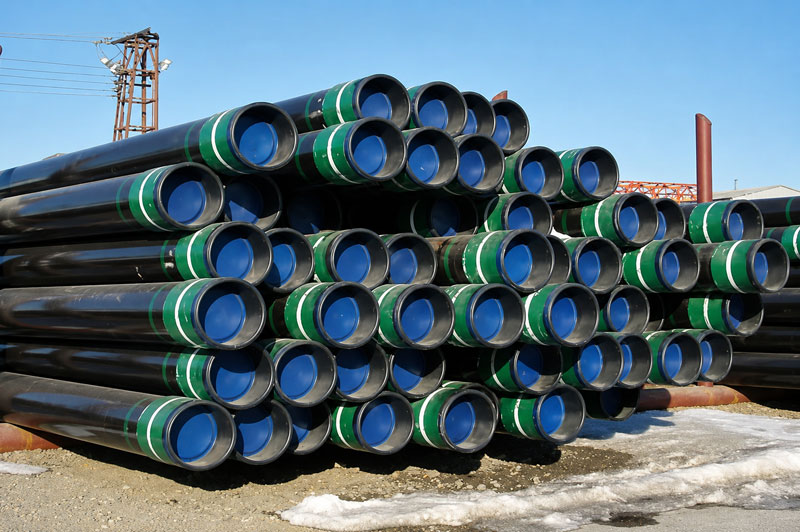
Testing
To ensure the quality and performance of
the H40 casing pipe, several tests are performed according to API Spec 5CT
requirements:
1. Hydrostatic Test
The hydrostatic test verifies the pipe's
ability to withstand internal pressure. During the test, the pipe is filled
with water and pressurized to a specified pressure to check for leaks and
structural integrity issues.
2. Non-Destructive Testing (NDT)
Non-destructive testing methods are used to
inspect internal and surface defects in pipelines without damaging them. Common
NDT methods include:
Ultrasonic Testing: Uses high-frequency
sound waves to detect internal defects.
Magnetic Particle Testing: Uses magnetic
fields to detect surface and near-surface defects.
3. Mechanical Testing
Mechanical tests are performed to verify
the mechanical properties of pipelines, including:
Tensile Testing: Measures tensile strength,
yield strength, and elongation.
Hardness Testing: Verifies hardness grades
to ensure compliance with specified limits.
Flattening Test: Checks the pipeline's
ability to withstand deformation without cracking.
Heat Treatment
Heat treatment processes such as
normalizing can be applied to H40 casing pipes to improve their mechanical
properties and ensure performance stability:
Normalizing: Normalizing involves heating
the steel pipe to a temperature above its critical temperature and then cooling
it in air. This process refines the grain structure, improving the steel pipe's
toughness and strength.
FAQ
1. What is the difference between H40 and J55
casing pipe?
The main difference between H40 and J55 casing
pipe is strength.
H40 Yield Strength: 276 MPa
J55 Yield Strength: 379 MPa
2. What sizes are available for API 5CT H40
casing pipe?
API 5CT H40 casing pipe is typically
available in outside diameters ranging from: 4 1/2 inches to 20 inches
Conclusion
API 5CT H40 casing pipe is a low-strength
oilfield casing pipe steel grade, primarily used in shallow wells or surface
structure casing pipe. Its advantages include low cost, simple manufacturing,
and good plasticity. However, in high-pressure and deep well environments, it
is often replaced by higher steel grades such as J55 casings, N80 casings,
or P110
casings. As oil and gas development moves towards deeper wells and
complex formations, the application scope of H40 has narrowed, but it still
maintains stable demand in the fields of conduit casing pipe and surface casing
pipe.



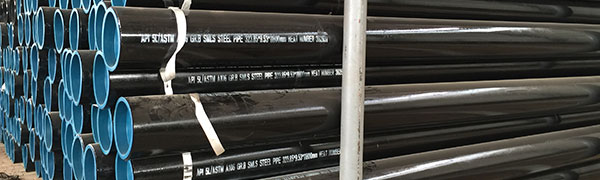
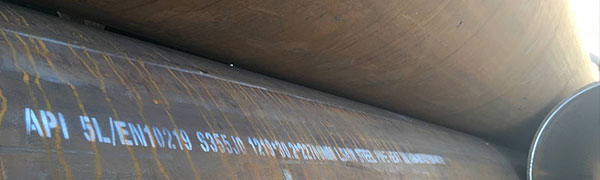
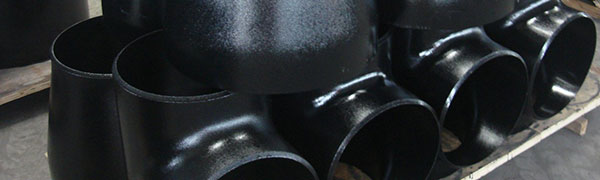
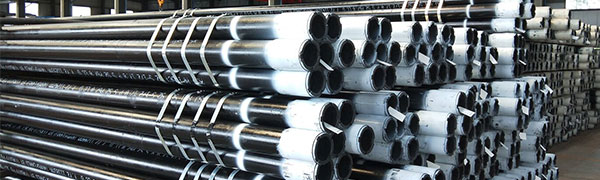


 Eastern Steel Manufacturing Co.,Ltd not only improve product production and sales services, but also provide additional value-added services. As long as you need, we can complete your specific needs together.