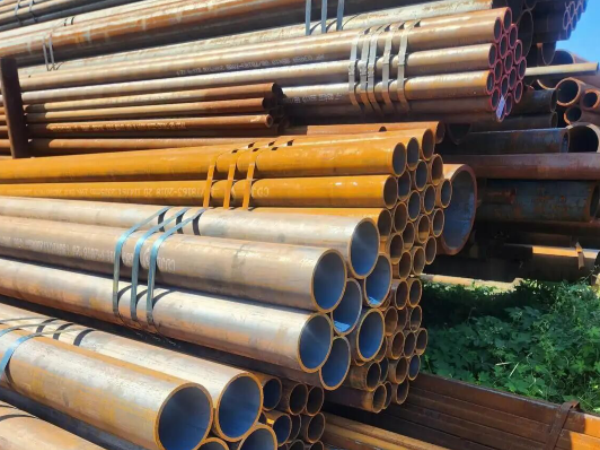
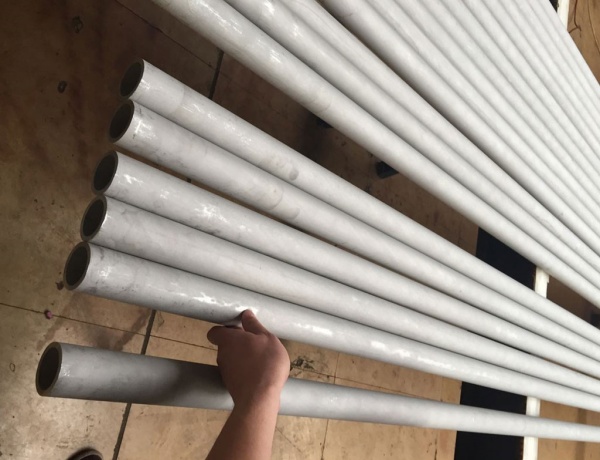
N80-1 and N80Q are specific grades under
the N80 casing
pipe classification in the API 5CT specification. They are widely used
in casing pipe in the oil and gas industry, providing structural integrity to the wellbore,
preventing freshwater contamination, and ensuring a reliable passage for oil
and gas production. Each grade has unique characteristics to suit different
operating conditions.
Although N80-1 and N80Q casing pipe have the same
strength rating, they differ significantly in impact resistance, stress
corrosion resistance, and applicable well conditions due to differences in heat
treatment methods and microstructure.
API 5CT Standard
API 5CT specifies the requirements for oil
and gas well casing pipe and tubing. This standard primarily specifies: steel
grade classification, chemical composition, mechanical properties, dimensions
and weight, heat treatment requirements, and testing and inspection methods.
Common API
5CT casing pipe steel grades include:
|
Steel Grade
|
Minimum Yield Strength
|
|
H40
|
40 ksi
|
|
J55
|
55 ksi
|
|
K55
|
55 ksi
|
|
N80
|
80 ksi
|
|
L80
|
80 ksi
|
|
P110
|
110 ksi
|
N80 is further subdivided into two types:
N80-1 and N80Q. Both N80-1 and N80Q casing pipe are designed according to these
standards to ensure they can withstand the operational pressures and
environmental conditions encountered during drilling and production.
Chemical Composition
The chemical composition of N80-1 and N80Q casing
pipe balances strength, toughness, and weldability. Typical chemical
compositions include:
1. N80-1
|
Element
|
Composition (%)
|
|
Carbon (C)
|
0.28-0.45
|
|
Manganese (Mn)
|
0.40-1.00
|
|
Phosphorus (P)
|
0.030 max
|
|
Sulfur (S)
|
0.030 max
|
|
Silicon (Si)
|
0.20-0.35
|
2. N80Q
|
Element
|
Composition (%)
|
|
Carbon (C)
|
0.28-0.45
|
|
Manganese (Mn)
|
1.15-1.70
|
|
Phosphorus (P)
|
0.030 max
|
|
Sulfur (S)
|
0.030 max
|
|
Silicon (Si)
|
0.20-0.35
|
Mechanical Properties
The mechanical properties of N80-1 and N80Q
casing pipes ensure their durability and reliability under various operating
conditions. Typical mechanical properties include:
Tensile Strength: 689-896 MPa (100-130 ksi)
Yield Strength: Minimum 552 MPa (80 ksi)
Elongation: At least 15% within 2 inches.
Dimensions and Tolerances
1. Dimensions
The dimensions of N80-1 and N80Q casing
pipes are determined by their outer diameter (OD) and wall thickness. Standard
dimensions conform to API 5CT requirements. Commonly used dimensions include:
Outer Diameter (OD): 4 1/2 inches to 20
inches
Wall Thickness: Varies depending on
application requirements.
2. Tolerances
API 5CT specifies precise tolerances to
ensure that the piping meets quality and performance standards. These
tolerances include:
Outer Diameter (OD): ±1% of the specified outer diameter
Wall Thickness: ±12.5% of the specified wall thickness
Weight: ±10% of the
nominal weight per unit length
Materials and Manufacturing
1. Materials
Both N80-1 and N80Q casing pipes are
manufactured from carbon steel, combining strength, toughness, and
cost-effectiveness. The two grades of casing pipe differ slightly in material
selection to meet different operational requirements.
2. Production
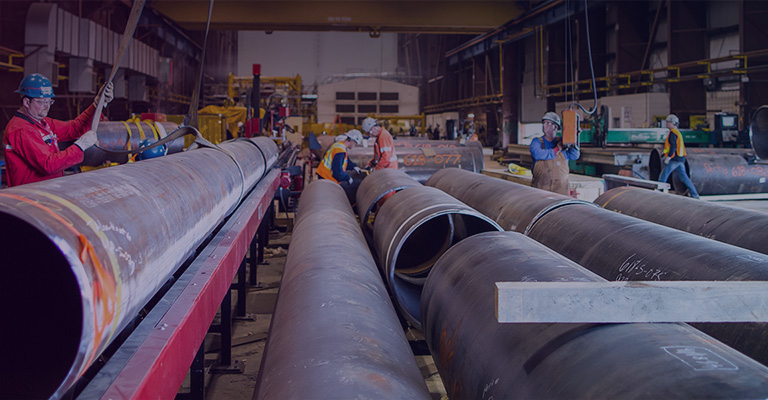
The manufacturing process for N80-1 and
N80Q casing pipes involves multiple steps to ensure quality and performance:
Steelmaking: High-quality carbon steel is
produced using processes such as electric arc furnace (EAF) or basic oxygen
converter (BOF).
Forming: Steel is formed into cylindrical
shapes using processes such as seamless rolling or welding.
Heat Treatment: The casing pipes undergo
heat treatment processes to enhance their mechanical properties.
Finishing: The casing pipes are finished to
achieve the required surface quality, dimensions, and tolerances.
Testing
To ensure the quality and performance of
N80-1 and N80Q tubing, several tests were conducted according to API 5CT
requirements:
1. Hydrostatic Testing
The hydrostatic test verifies the pipe's
ability to withstand internal pressure. In this test, the pipe is filled with
water and pressurized to a specified pressure to check for leaks and structural
integrity issues.
2. Non-Destructive Testing (NDT)
Non-destructive testing methods are used to
detect internal and surface defects in pipes without damaging them. Common NDT
methods include:
Ultrasonic Testing: Detects internal
defects using high-frequency sound waves.
Magnetic Particle Testing: Detects surface
and near-surface defects using magnetic fields.
3. Mechanical Testing
Mechanical tests are performed to verify
the pipe's mechanical properties, including:
Tensile Testing: Measures tensile strength,
yield strength, and elongation.
Hardness Testing: Verifies the hardness
grade to ensure compliance with specified limits.
Flattening Test: Checks the pipe's ability
to withstand deformation without cracking.
Heat Treatment
N80-1 and N80Q casing pipes can undergo
heat treatment processes such as normalizing, quenching, and tempering to
improve their mechanical properties and ensure performance stability:
1. Normalizing
Normalizing involves heating the steel pipe
to a temperature above its critical temperature and then cooling it in air.
This process refines the grain structure, improving the toughness and strength
of the steel pipe.
2. Quenching and Tempering
Quenching and tempering processes involve
heating the pipe to a high temperature, quenching it in water or oil for rapid
cooling, and then heating it to a lower temperature to relieve stress and
improve toughness.
Differences Between N80-1 and N80Q
|
Item
|
N80-1
|
N80Q
|
|
Heat Treatment Method
|
Normalized
|
Quenched & Tempered
|
|
Microstructure
|
Ferrite + Pearlite
|
Tempered Martensite
|
|
Toughness
|
High
|
Higher
|
|
Stress Corrosion Resistance
|
Average
|
Better
|
|
Suitable Well Conditions
|
Conventional Oil Wells
|
High Pressure or Complex Wells
|
Conclusion
N80-1 and N80Q casing pipe are critical
components in oil and gas well drilling and production. Manufactured to API 5CT
standards, they ensure quality, performance, and reliability. Through rigorous
manufacturing processes, precise dimensions and tolerances, and comprehensive
testing, N80-1 and N80Q casing pipe provide reliable performance in a variety
of drilling and production environments. Their high strength and specific
chemical composition make them suitable for harsh operating conditions,
providing robustness and reliability for wellbore integrity.





 Eastern Steel Manufacturing Co.,Ltd not only improve product production and sales services, but also provide additional value-added services. As long as you need, we can complete your specific needs together.