1. Square Tube Weight Formula
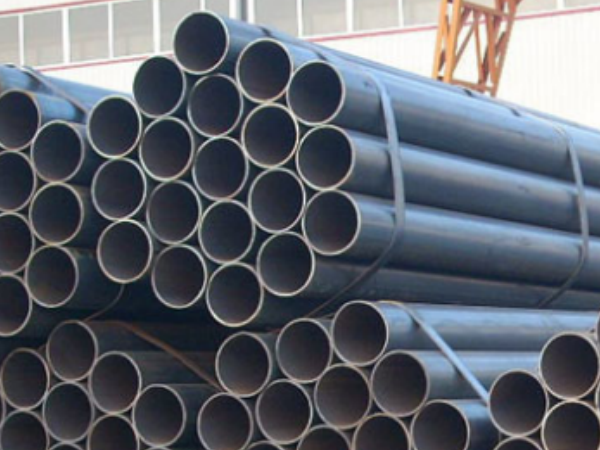
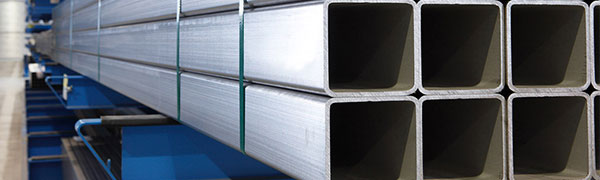
Square tube, also known as square tubing or Square Hollow Section (SHS), is one of the most widely used structural steel products. This page provides a complete square tube weight chart, SHS weight chart, and theoretical weight formula for common sizes. For carbon steel, a density of 7.85 g/cm³ is generally used.
Formula
Weight (kg/m) = 4 × t × (B − t) × 7.85 ÷ 1000
Where:
- B = Outside dimension (mm)
- t = Wall thickness (mm)
- 7.85 = Density of carbon steel (g/cm³)
This formula provides the theoretical weight of carbon steel square tubes and is widely used for engineering estimation, material takeoff, and international steel quotations.
2. SHS Weight Chart (Metric)
This SHS weight chart shows the theoretical weight (kg/m) of common square hollow section (SHS) sizes. For complete size-by-size data, see the detailed square tube weight charts below.
|
SHS Size (mm)
|
2 mm
|
3 mm
|
4 mm
|
5 mm
|
6 mm
|
|
20 × 20
|
1.10
|
-
|
-
|
-
|
-
|
|
25 × 25
|
1.40
|
2.00
|
-
|
-
|
-
|
|
30 × 30
|
1.73
|
2.42
|
-
|
-
|
-
|
|
40 × 40
|
2.36
|
3.37
|
4.31
|
-
|
-
|
|
50 × 50
|
2.99
|
4.31
|
5.57
|
6.73
|
-
|
|
60 × 60
|
-
|
5.25
|
6.82
|
8.30
|
9.69
|
|
70 × 70
|
-
|
6.19
|
8.08
|
9.87
|
11.57
|
|
80 × 80
|
-
|
7.13
|
9.34
|
11.44
|
13.46
|
|
90 × 90
|
-
|
8.08
|
10.60
|
13.01
|
15.34
|
|
100 × 100
|
-
|
9.02
|
11.85
|
14.58
|
17.22
|
3. Complete Square Tube Weight Chart
The following square tube weight charts list the theoretical weight of common SHS sizes based on a steel density of 7.85 g/cm³. Weight values are provided in both kg/m and lbs/ft for quick reference.Actual weight may vary slightly depending on the manufacturing standard and dimensional tolerances.
3.1 Small Sizes (20×20–60×60)
|
Wall Thickness (mm)
|
Weight (kg/m)
|
Weight (lb/ft)
|
|
20 × 20 Square Tube Weight
|
|
2
|
1.10
|
0.74
|
|
2.5
|
1.30
|
0.87
|
|
25 × 25 Square Tube Weight
|
|
2
|
1.40
|
0.94
|
|
2.5
|
1.70
|
1.14
|
|
3
|
2.00
|
1.34
|
|
30 × 30 Square Tube Weight
|
|
2
|
1.73
|
1.16
|
|
2.5
|
2.10
|
1.41
|
|
3
|
2.42
|
1.63
|
|
40 × 40 Square Tube Weight
|
|
2
|
2.36
|
1.59
|
|
2.5
|
2.88
|
1.94
|
|
3
|
3.37
|
2.26
|
|
4
|
4.31
|
2.90
|
|
50 × 50 Square Tube Weight
|
|
2.5
|
3.67
|
2.47
|
|
3
|
4.31
|
2.90
|
|
4
|
5.57
|
3.74
|
|
5
|
6.73
|
4.52
|
|
60 × 60 Square Tube Weight
|
|
3
|
5.25
|
3.53
|
|
4
|
6.82
|
4.58
|
|
5
|
8.30
|
5.58
|
|
6
|
9.69
|
6.51
|
3.2 Medium Sizes (70×70–160×160)
|
Wall Thickness (mm)
|
Weight (kg/m)
|
Weight (lb/ft)
|
|
70 × 70 Square Tube Weight
|
|
3
|
6.19
|
4.16
|
|
4
|
8.08
|
5.43
|
|
5
|
9.87
|
6.63
|
|
6
|
11.57
|
7.77
|
|
80 × 80 Square Tube Weight
|
|
3
|
7.13
|
4.79
|
|
4
|
9.34
|
6.28
|
|
5
|
11.44
|
7.69
|
|
6
|
13.46
|
9.05
|
|
8
|
17.20
|
11.56
|
|
90 × 90 Square Tube Weight
|
|
3
|
8.08
|
5.43
|
|
4
|
10.60
|
7.12
|
|
5
|
13.01
|
8.74
|
|
6
|
15.34
|
10.31
|
|
8
|
19.71
|
13.25
|
|
100 × 100 Square Tube Weight
|
|
3
|
9.02
|
6.06
|
|
4
|
11.85
|
7.96
|
|
5
|
14.58
|
9.80
|
|
6
|
17.22
|
11.57
|
|
8
|
22.22
|
14.93
|
|
10
|
26.85
|
18.04
|
|
120 × 120 Square Tube Weight
|
|
4
|
14.36
|
9.65
|
|
5
|
17.72
|
11.91
|
|
6
|
20.99
|
14.11
|
|
8
|
27.24
|
18.31
|
|
10
|
33.13
|
22.26
|
|
140 × 140 Square Tube Weight
|
|
5
|
20.86
|
14.02
|
|
6
|
24.76
|
16.64
|
|
8
|
32.27
|
21.68
|
|
10
|
39.41
|
26.48
|
|
12
|
46.19
|
31.04
|
|
150 × 150 Square Tube Weight
|
|
5
|
22.43
|
15.07
|
|
6
|
26.64
|
17.90
|
|
8
|
34.78
|
23.37
|
|
10
|
42.55
|
28.59
|
|
12
|
49.96
|
33.57
|
|
160 × 160 Square Tube Weight
|
|
5
|
24.00
|
16.13
|
|
6
|
28.53
|
19.17
|
|
8
|
37.29
|
25.06
|
|
10
|
45.69
|
30.70
|
|
12
|
53.73
|
36.11
|
3.3 Large Sizes (180×180–400×400)
|
Wall Thickness (mm)
|
Weight (kg/m)
|
Weight (lb/ft)
|
|
180 × 180 Square Tube Weight
|
|
6
|
32.29
|
21.70
|
|
8
|
42.32
|
28.44
|
|
10
|
51.97
|
34.92
|
|
12
|
61.26
|
41.17
|
|
200 × 200 Square Tube Weight
|
|
6
|
36.06
|
24.23
|
|
8
|
47.34
|
31.81
|
|
10
|
58.25
|
39.14
|
|
12
|
68.80
|
46.23
|
|
14
|
78.98
|
53.07
|
|
16
|
88.80
|
59.67
|
|
220 × 220 Square Tube Weight
|
|
6
|
39.83
|
26.77
|
|
8
|
52.37
|
35.19
|
|
10
|
64.53
|
43.36
|
|
12
|
76.33
|
51.29
|
|
14
|
87.77
|
58.98
|
|
250 × 250 Square Tube Weight
|
|
6
|
45.48
|
30.56
|
|
8
|
59.90
|
40.25
|
|
10
|
73.95
|
49.69
|
|
12
|
87.64
|
58.89
|
|
14
|
100.96
|
67.84
|
|
16
|
113.92
|
76.55
|
|
260 × 260 Square Tube Weight
|
|
6
|
47.36
|
31.82
|
|
8
|
62.41
|
41.94
|
|
10
|
77.09
|
51.80
|
|
12
|
91.41
|
61.42
|
|
14
|
105.36
|
70.80
|
|
16
|
118.94
|
79.92
|
|
300 × 300 Square Tube Weight
|
|
8
|
72.46
|
48.69
|
|
10
|
89.65
|
60.24
|
|
12
|
106.48
|
71.55
|
|
14
|
122.94
|
82.61
|
|
16
|
139.04
|
93.43
|
|
350 × 350 Square Tube Weight
|
|
8
|
85.02
|
57.13
|
|
10
|
105.35
|
70.79
|
|
12
|
125.32
|
84.21
|
|
14
|
144.92
|
97.38
|
|
16
|
164.16
|
110.31
|
|
400 × 400 Square Tube Weight
|
|
10
|
121.05
|
81.34
|
|
12
|
144.16
|
96.87
|
|
14
|
166.90
|
112.15
|
|
16
|
189.28
|
127.19
|
4. Factors Affecting Actual Square Tube Weight
The weight of a square tube is primarily determined by its dimensions and material density. In practice, manufacturing tolerances, coatings, and steel grades can also cause slight differences between theoretical and actual weight.
4.1 Steel Density
Theoretical weight calculations are based on material density. Carbon steel is generally calculated using 7.85 g/cm³, while stainless steel and aluminum have different densities, resulting in different weights for the same dimensions.
4.2 Wall Thickness Tolerance
Actual wall thickness may vary within the tolerance permitted by manufacturing standards such as ASTM A500 or EN 10219. As a result, the measured weight of a finished tube may differ slightly from the theoretical value.
4.3 Galvanized Coating
A galvanized coating adds zinc to the surface of the steel tube, increasing its total weight slightly. The increase depends on the coating thickness and galvanizing process.
4.4 Steel Grade
Most carbon steel grades have similar densities, so steel grade has little influence on theoretical weight. Therefore, tubes with the same dimensions but different carbon steel grades usually have nearly identical theoretical weights.
5. Square Tube Weight and Section Properties
Besides theoretical weight, engineers often consider section properties when selecting square tubes for structural applications. The table below summarizes the weight, cross-sectional area, section modulus, and typical steel grades of common SHS sizes.
Note: All values are theoretical and provided for reference only. The actual load capacity of a square tube depends on factors such as steel grade, span length, support conditions, and loading direction, and should be verified according to the applicable design standard.
Table. Square Tube Weight & Structural Properties
|
Size (mm)
|
Wall Thickness (mm)
|
Weight (kg/m)
|
Weight (lb/ft)
|
Cross-Section Area (cm²)
|
Section Modulus (cm³)
|
Steel Grade
|
Typical Application
|
|
20×20
|
1.2
|
0.68
|
0.46
|
0.87
|
0.48
|
Q235 / S235
|
Furniture, Handrails
|
|
25×25
|
1.5
|
1.06
|
0.71
|
1.35
|
0.94
|
Q235 / S235
|
Frames, Railings
|
|
30×30
|
2.0
|
1.73
|
1.16
|
2.20
|
1.83
|
Q235 / S235
|
Light Structures
|
|
40×40
|
2.0
|
2.36
|
1.59
|
3.00
|
3.42
|
Q235 / S235
|
Equipment Frames
|
|
50×50
|
2.5
|
3.67
|
2.47
|
4.67
|
6.78
|
Q235 / S235
|
Support Frames
|
|
60×60
|
3.0
|
5.25
|
3.53
|
6.69
|
11.95
|
Q235 / S235
|
General Structures
|
|
80×80
|
4.0
|
9.34
|
6.28
|
11.90
|
28.53
|
Q355 / S355
|
Columns
|
|
100×100
|
4.5
|
13.25
|
8.90
|
16.88
|
51.52
|
Q355 / S355
|
Steel Buildings
|
|
120×120
|
6.0
|
20.99
|
14.11
|
26.74
|
96.53
|
Q355 / S355
|
Industrial Structures
|
|
150×150
|
6.0
|
26.64
|
17.90
|
33.94
|
154.67
|
Q355 / S355
|
Heavy Columns
|
|
200×200
|
8.0
|
47.34
|
31.81
|
60.30
|
365.12
|
Q355 / S355
|
Bridge & Heavy Steel
|
6. FAQs
Q1. How do you calculate square tube weight?
Square tube weight is calculated using the outside dimension, wall thickness, and steel density. For carbon steel, the standard density is 7.85 g/cm³, and the result is usually expressed in kg/m or lbs/ft.
Q2. What is the weight of a 50 × 50 × 3 mm square tube?
A 50 × 50 × 3 mm carbon steel square tube has a theoretical weight of approximately 4.31 kg/m (2.90 lbs/ft). Actual weight may vary slightly because of manufacturing tolerances.
Q3. Is galvanized square tube heavier than black steel tube?
Yes. Galvanized square tube is slightly heavier because the zinc coating adds extra mass to the steel surface. The increase is usually small but should be considered when calculating the total weight of large quantities.
Q4. Does wall thickness affect square tube weight?
Yes. For the same outside dimensions, a thicker wall always results in a heavier square tube because it contains more steel. As wall thickness increases, the theoretical weight per meter also increases.
Q5. Is square tube weight measured in kg/m or lbs/ft?
Square tube weight is commonly expressed in kilograms per meter (kg/m) in metric countries and pounds per foot (lbs/ft) in imperial systems. This page provides both units for easy comparison.
7. Related Resources
Rectangular Tube Weight Chart (kg/m) + Formula (All Sizes)
Steel Weight Calculator & Formula
What Does SHS Mean in Steel?
RHS Standard Sizes
Common Specifications & Sizes of Mild Steel Tube
Mild Steel Pipe Standards (ASTM, EN, JIS, BS & AS)
ERW Pipe Specifications & Models





 Eastern Steel Manufacturing Co.,Ltd not only improve product production and sales services, but also provide additional value-added services. As long as you need, we can complete your specific needs together.