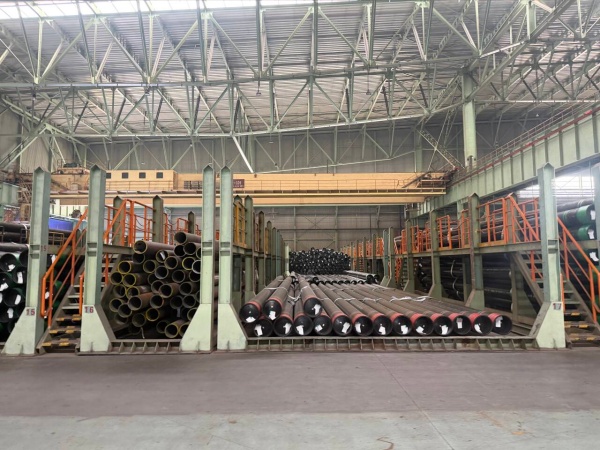
Seamless
black steel pipe is one of the most common and
widely used types of steel pipe in industrial piping systems, widely used in
oil and gas, fire protection systems, machinery manufacturing, chemical
industry, power plants, and construction projects.
"Black
steel pipe" is not an independent material grade, but refers to
steel pipes that are not galvanized, not coated with an anti-corrosion layer,
and have a black oxide scale on the surface.
What is Seamless Black Steel Pipe?
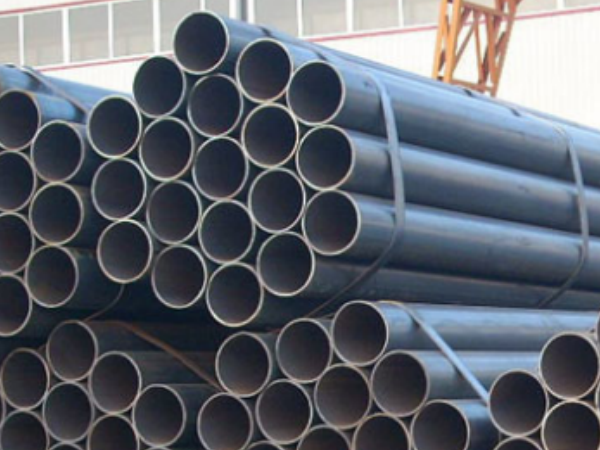
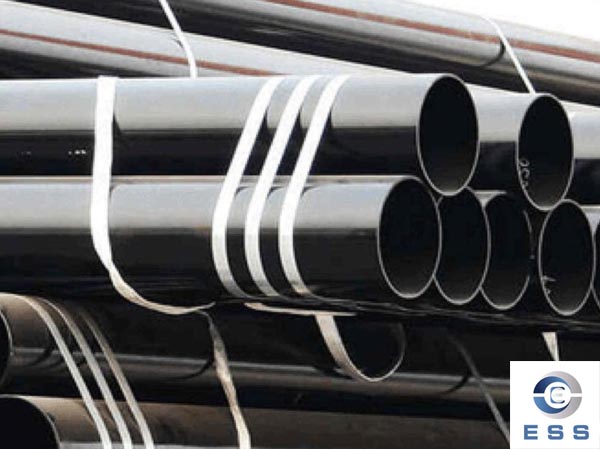
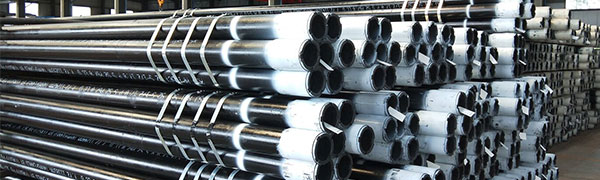
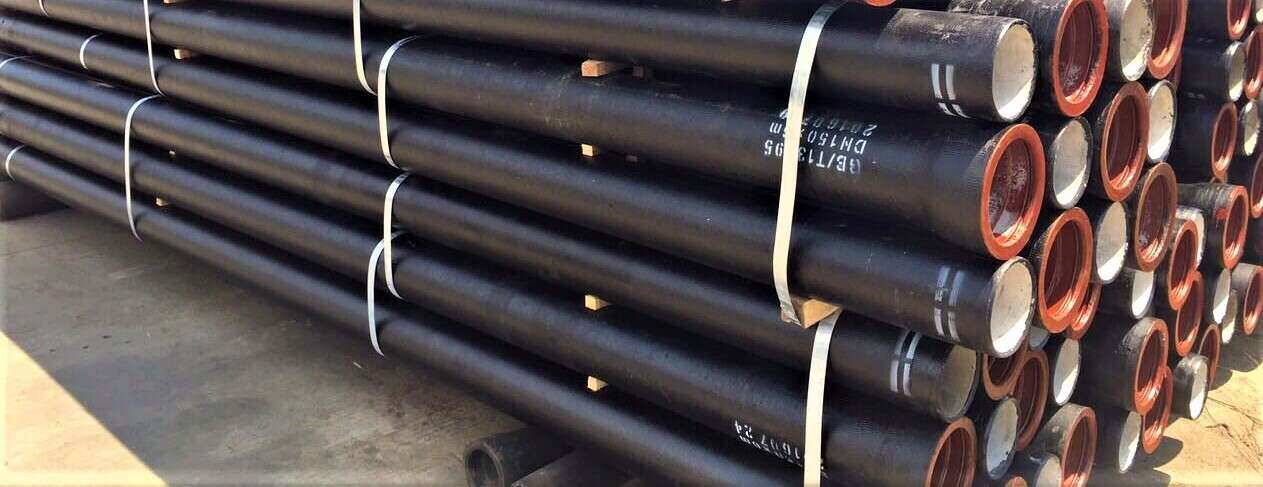
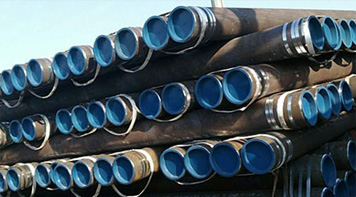
Seamless black steel pipe refers to carbon
steel or alloy steel pipes manufactured using seamless steel pipe manufacturing
processes and without galvanizing or plastic coating on the surface.
Due to the formation of a layer of iron
oxide scale (mill scale) on its surface during hot rolling and heat treatment,
it appears black or dark gray, hence the name "black steel pipe."
The difference between seamless
black steel pipe and seamless carbon steel pipe is that it is more
fire-resistant than galvanized steel pipe, therefore it can be used in fire
sprinkler systems. The seamless pipe manufacturing process makes it an ideal
choice for gas transportation.
Because of its superior fire resistance
compared to galvanized steel pipe, it can also be used in fire sprinkler
systems. Seamless black steel pipes are named for their dark color due to iron
oxide during the manufacturing process.
Manufacturing Process of Seamless Black
Steel Pipe
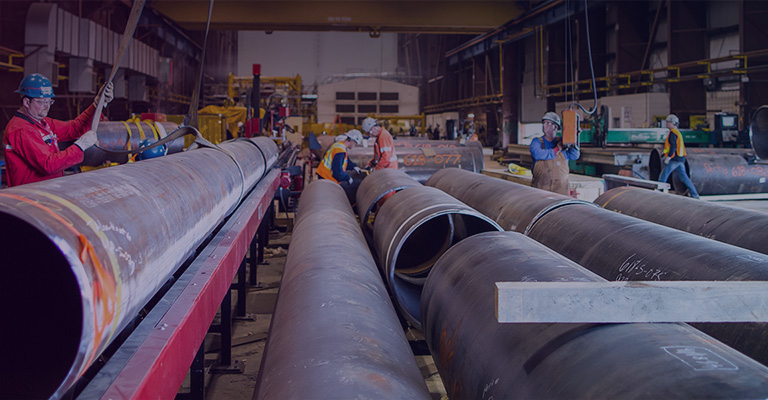
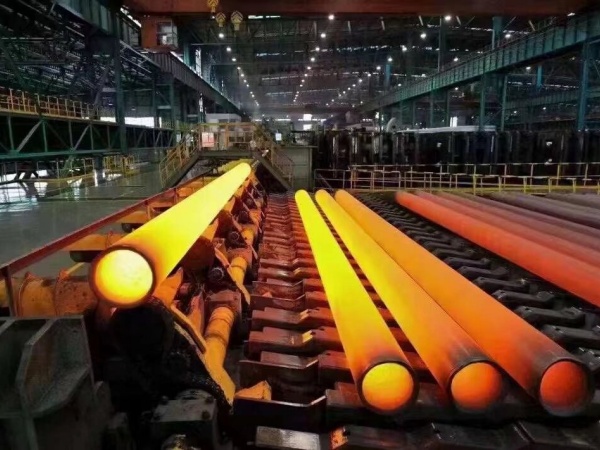
The manufacturing process of seamless black
steel pipes is relatively complex. First, a steel billet is heated to a
suitable temperature and then pierced through a piercing mill to form a tube
blank.
Next, the tube blank is rolled by a tube
rolling mill to form a seamless steel pipe.
Finally, after heat treatment,
straightening, and cutting, high-quality seamless black steel pipes are
produced.
Pros of Seamless Black Steel Pipes
1. Good Corrosion Resistance
The surface coating of seamless black steel
pipes has excellent corrosion resistance, making them suitable for conveying
corrosive substances such as acids and alkalis.
2. High Rigidity
Seamless black steel pipes have high
rigidity and strong pressure-bearing capacity, making them particularly
suitable for conveying high-pressure media.
3. High Temperature Resistance
The dense material structure of seamless
black steel pipes allows them to withstand the transport of high-temperature
media.
Cons of Seamless Black Steel Pipes
1. The surface color of seamless black
steel pipes is relatively dark, making them prone to dust accumulation and
requiring regular cleaning and maintenance.
2. There may be a certain degree of
contamination. For applications with high quality requirements, careful
material selection and quality inspection are necessary.
Common Materials for Seamless Black
Steel Pipe
Black steel pipes are mostly made of carbon
steel or stainless steel. Carbon steel black pipes, with their good strength
and rigidity, are a common supporting material in building structures.
Stainless steel black pipes, due to their excellent corrosion resistance, are
widely used in corrosive environments such as chemical plants and marine
environments.
1. Carbon Steel Black Pipe
Carbon steel black pipes achieve their
black appearance primarily through special surface treatments, such as spraying
with black anti-rust paint or hot-dip galvanizing followed by dyeing.
This type of pipe has high strength and
rigidity, making it suitable for structures bearing large loads and providing
stable support.
2. Stainless Steel Black Pipe
Stainless steel black pipes are made from
stainless steel through special surface treatment processes, such as black
oxidation treatment or black PVD coating technology, to achieve their black
color.
Stainless steel itself has excellent
corrosion resistance and a long service life. Combined with the aesthetic
appeal of its black appearance, stainless steel black pipes are highly favored
in high-end architectural decoration and industrial equipment.
Applications of Seamless Black Steel
Pipe
1. Oil and Gas Transportation
Due to their high strength and corrosion
resistance, seamless black steel pipes are widely used in long-distance oil and
gas transportation pipelines.
2. Mechanical Engineering
In the field of mechanical engineering,
seamless black steel pipes are commonly used to manufacture various mechanical
parts and structural components, such as bearings and hydraulic cylinders.
3. Chemical and Pharmaceutical Industries
Due to their excellent corrosion
resistance, seamless black steel pipes are also widely used in the production
processes of the chemical and pharmaceutical industries.
FAQ
The main differences lie in surface
treatment and operating conditions:
Seamless Black Steel Pipes: High
temperature resistance, strong pressure resistance, suitable for fire fighting,
steam, and oil and gas systems.
Galvanized Steel Pipes: Better corrosion
resistance, but the zinc layer is prone to peeling off at high temperatures.
2. Are seamless black steel pipes
corrosion-resistant?
Corrosion resistance is limited.
Seamless black steel pipes themselves do
not have an anti-corrosion coating and are prone to rusting in humid or
corrosive environments. For outdoor or corrosive media transport, the following
are typically required:
Rust-preventive paint;
Epoxy coating;
3PE/FBE anti-corrosion treatment.
3. What are the commonly used materials and
standards for seamless black steel pipes?
Common international standards include:
ASTM A106 Gr.B (High-Temperature Piping)
ASTM A53 Gr.B
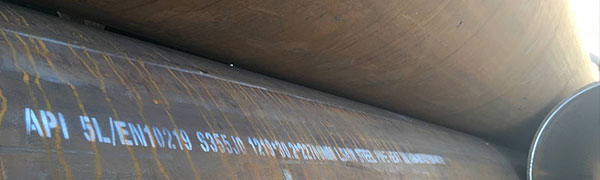
API 5L (Oil and Gas Transport)
EN 10216 / EN
10210
GB/T 8163
4. Which is better, seamless black steel
pipe vs. welded black steel pipe?
In high-pressure, high-temperature, or
high-safety applications: seamless black steel pipe is superior.
In low-pressure, structural applications,
or cost-sensitive projects: welded black steel pipe is more economical.
Read more: ERW
Pipe vs. Seamless Black Steel Pipe or Grades
of Black Steel Pipes



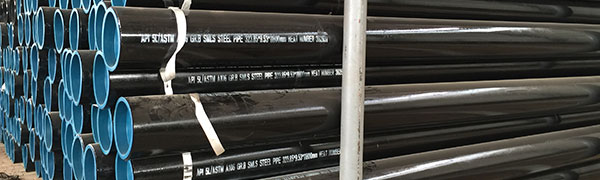


 Eastern Steel Manufacturing Co.,Ltd not only improve product production and sales services, but also provide additional value-added services. As long as you need, we can complete your specific needs together.