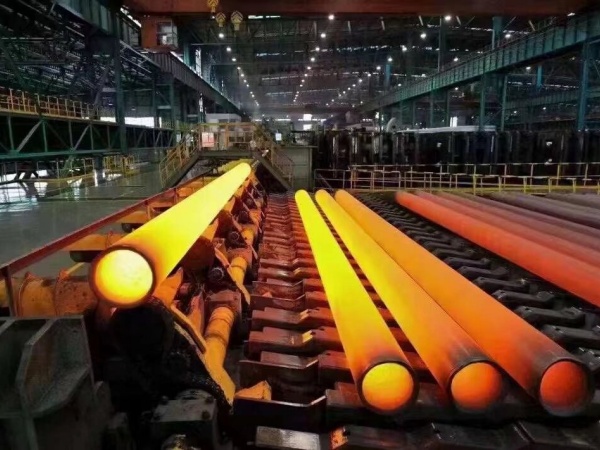
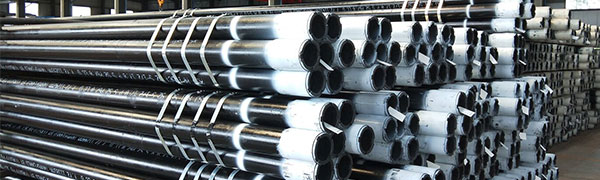
Schedule 80 pipe refers to carbon steel pipe with a heavier wall thickness defined by the ASME B36.10M standard. Compared with Schedule 40 pipe, Sch 80 pipe provides higher pressure resistance due to its thicker wall design.
In many general industrial applications, mild steel grades such as ASTM A53 Grade B and ASTM A106 Grade B are commonly used.These pipes are widely used in industrial piping, fire protection systems, and medium- to high-pressure applications.
1. Schedule 80 Pipe Dimensions Table
The following chart shows standard Schedule 80 mild steel pipe dimensions, including outside diameter, wall thickness, inside diameter, and weight per meter.
|
NPS
|
DN
|
OD (mm)
|
Wall Thickness (mm)
|
ID (mm)
|
|
1/8"
|
6
|
10.3
|
1.73
|
6.84
|
|
1/4"
|
8
|
13.7
|
2.24
|
9.22
|
|
1/2"
|
15
|
21.3
|
2.77
|
15.76
|
|
3/4"
|
20
|
26.7
|
2.87
|
20.96
|
|
1"
|
25
|
33.4
|
3.38
|
26.64
|
|
1-1/4"
|
32
|
42.2
|
3.56
|
35.08
|
|
1-1/2"
|
40
|
48.3
|
3.68
|
40.94
|
|
2"
|
50
|
60.3
|
3.91
|
52.48
|
|
2-1/2"
|
65
|
73.0
|
5.16
|
62.68
|
|
3"
|
80
|
88.9
|
5.49
|
77.92
|
|
3-1/2"
|
90
|
101.6
|
5.74
|
90.12
|
|
4"
|
100
|
114.3
|
6.02
|
102.26
|
|
5"
|
125
|
141.3
|
6.55
|
128.20
|
|
6"
|
150
|
168.3
|
7.11
|
154.08
|
|
8"
|
200
|
219.1
|
8.18
|
202.74
|
|
10"
|
250
|
273.0
|
9.27
|
254.46
|
|
12"
|
300
|
323.8
|
10.31
|
303.18
|
|
14"
|
350
|
355.6
|
11.13
|
333.34
|
|
16"
|
400
|
406.4
|
12.70
|
381.00
|
2. Pipe Schedule and Standards
“Sch” refers to pipe schedule classification defined in ASME B36.10M. Common material grades for Schedule 80 pipes include ASTM A53 Grade B and ASTM A106 Grade B.
Pipe sizes are typically designated by NPS (Nominal Pipe Size) and DN (Nominal Diameter).
3. Schedule 40 vs Schedule 80 Pipe
Schedule 40 and Schedule 80 pipes have the same outside diameter for the same NPS size, but differ in wall thickness, pressure capability, weight, and application range. Schedule 80 pipe is commonly used in systems requiring higher pressure resistance or greater mechanical strength.
|
Feature
|
Schedule 40 Pipe
|
Schedule 80 Pipe
|
Engineering Consideration
|
|
Wall Thickness
|
Standard
|
Thicker
|
Sch 80 provides higher mechanical strength and pressure resistance.
|
|
Outside Diameter
|
Same NPS OD
|
Same NPS OD
|
Standard fittings can be used for both schedules without dimensional conflict.
|
|
Inside Diameter
|
Larger
|
Smaller
|
Sch 80 reduces internal flow area, which increases velocity resistance and pressure drop in long-distance systems.
|
|
Weight
|
Lighter
|
Heavier
|
Heavier wall thickness increases structural load, requiring stronger supports and higher installation consideration.
|
|
Pressure Capability
|
Lower
|
Higher
|
Sch 80 is selected for medium to high pressure systems where safety margin and mechanical strength are critical design factors.
|
|
Threaded Connections
|
General service
|
Heavy-duty threading
|
Thicker wall in Sch 80 maintains thread integrity after machining, reducing risk of thread stripping under high load conditions.
|
|
Material Cost
|
Lower
|
Higher
|
Increased wall thickness leads to higher steel consumption and overall material cost, especially in large-scale projects.
|
|
Common Applications
|
Water supply, drainage, low-pressure piping
|
Industrial piping, fire protection, compressed air systems
|
Selection depends on operating pressure, safety factor, corrosion environment, and long-term maintenance strategy.
|
4. Approximate Pressure Capacity of Schedule 80 Pipes
The following values are approximate pressure references for ASTM A106 Grade B Schedule 80 pipes under typical service conditions. Actual allowable pressure depends on operating temperature, material grade, design code, corrosion allowance, and application requirements.
|
NPS
|
Approx. Pressure (psi)
|
Approx. Pressure (bar)
|
|
1/8"
|
2220
|
153.24
|
|
1/4"
|
3140
|
216.18
|
|
3/8"
|
2660
|
183.31
|
|
1/2"
|
2570
|
177.13
|
|
3/4"
|
2590
|
178.45
|
|
1"
|
2140
|
147.49
|
|
1-1/4"
|
2060
|
142.07
|
|
1-1/2"
|
1960
|
134.97
|
|
2"
|
1820
|
125.51
|
|
2-1/2"
|
1770
|
121.89
|
|
3"
|
1710
|
117.79
|
|
3-1/2"
|
1670
|
115.15
|
|
4"
|
1600
|
110.32
|
|
5"
|
1520
|
104.84
|
|
6"
|
1440
|
99.36
|
|
8"
|
1350
|
93.16
|
|
10"
|
1250
|
86.19
|
|
12"
|
1210
|
83.41
|
Note: These values are provided for general reference only and should not replace engineering calculations or code-based pressure design.
5. When Is Schedule 80 Pipe Preferred?
Schedule 80 pipe is commonly used when higher internal pressure, mechanical strength, or longer service life is required. Due to its thicker wall, it is often selected for industrial processing lines, fire sprinkler systems, compressed air systems, and chemical applications.
Compared with Schedule 40, Sch 80 pipe also provides better resistance to mechanical damage and thread deformation, especially in threaded piping systems.
However, the thicker wall reduces the inside diameter and increases overall pipe weight, which may affect flow capacity, installation effort, and material cost in large piping systems.
6. Common Applications of Schedule 80 Steel Pipe
Due to its thicker wall and higher pressure capability, Schedule 80 mild steel pipe is commonly used in systems requiring greater mechanical strength and durability.
(1) Industrial process piping
Used for medium- to high-pressure transport of liquids, gases, and compressed air.
(2) Fire protection systems
Commonly used in fire sprinkler and firefighting pipelines where higher pressure resistance is required.
(3) Chemical and petrochemical plants
Suitable for handling aggressive fluids and demanding operating conditions.
(4) Water distribution systems
Applied in municipal and industrial water supply systems with higher operating pressure requirements.
(5) Mechanical and structural applications
Used in heavy-duty support structures, pipe racks, and equipment frameworks.
7. Related Standards and Pipe References
The following standards and reference charts are commonly associated with Schedule 80 mild steel pipe selection and specification:
Schedule 40 Pipe Size Chart— Standard wall pipe dimensions for schedule comparison.
Steel Pipe Weight Chart — Reference for pipe weight and support load calculation.
ASTM A53 Grade B Pipe— Carbon steel pipe for pressure and mechanical service.
ASTM A106 Grade B Pipe— Seamless carbon steel pipe for elevated-temperature service.
Seamless Steel Pipe — Commonly used for higher-pressure and critical applications.
SCH 40 vs SCH 80 Pipe — Comparison of wall thickness, pressure capability, pipe weight, and industrial applications.



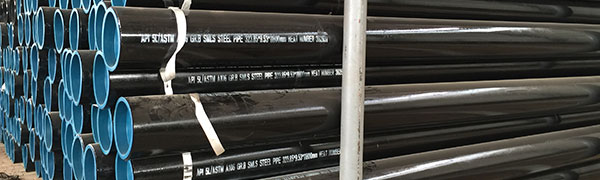
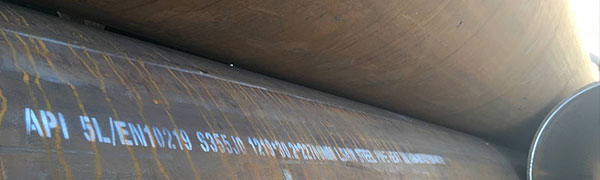
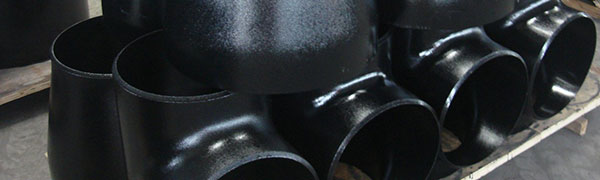


 Eastern Steel Manufacturing Co.,Ltd not only improve product production and sales services, but also provide additional value-added services. As long as you need, we can complete your specific needs together.