ASME B36.10M is the dimensional standard for welded and seamless wrought steel pipe. It defines NPS, outside diameter, wall thickness, pipe schedules and weights for carbon and alloy steel pipe.
1. ANSI/ASME B36.10M Pipe Dimensions Chart
The following chart lists common ASME B36.10M pipe sizes, outside diameters, and wall thicknesses for selected Schedule designations.
ASME B36.10M Pipe Dimensions Chart: NPS 1/8 to NPS 80
|
NPS (in)
|
DN
|
OD (in)
|
OD (mm)
|
SCH 20 (mm)
|
SCH 40 (mm)
|
SCH 80 (mm)
|
SCH 160 (mm)
|
|
1/8
|
6
|
0.405
|
10.3
|
—
|
1.73
|
2.41
|
—
|
|
1/4
|
8
|
0.540
|
13.7
|
—
|
2.24
|
3.02
|
—
|
|
3/8
|
10
|
0.675
|
17.1
|
—
|
2.31
|
3.20
|
—
|
|
1/2
|
15
|
0.840
|
21.3
|
—
|
2.77
|
3.73
|
4.78
|
|
3/4
|
20
|
1.050
|
26.7
|
—
|
2.87
|
3.91
|
5.56
|
|
1
|
25
|
1.315
|
33.4
|
—
|
3.38
|
4.55
|
6.35
|
|
1-1/4
|
32
|
1.660
|
42.2
|
—
|
3.56
|
4.85
|
6.35
|
|
1-1/2
|
40
|
1.900
|
48.3
|
—
|
3.68
|
5.08
|
7.14
|
|
2
|
50
|
2.375
|
60.3
|
—
|
3.91
|
5.54
|
8.74
|
|
2-1/2
|
65
|
2.875
|
73.0
|
—
|
5.16
|
7.01
|
9.53
|
|
3
|
80
|
3.500
|
88.9
|
—
|
5.49
|
7.62
|
11.13
|
|
3-1/2
|
90
|
4.000
|
101.6
|
—
|
5.74
|
8.08
|
—
|
|
4
|
100
|
4.500
|
114.3
|
—
|
6.02
|
8.56
|
13.49
|
|
5
|
125
|
5.563
|
141.3
|
—
|
6.55
|
9.53
|
15.88
|
|
6
|
150
|
6.625
|
168.3
|
—
|
7.11
|
10.97
|
18.26
|
|
8
|
200
|
8.625
|
219.1
|
6.35
|
8.18
|
12.70
|
23.01
|
|
10
|
250
|
10.750
|
273.1
|
6.35
|
9.27
|
15.09
|
28.58
|
|
12
|
300
|
12.750
|
323.9
|
6.35
|
10.31
|
17.48
|
33.32
|
|
14
|
350
|
14.000
|
355.6
|
7.92
|
11.13
|
19.05
|
35.71
|
|
16
|
400
|
16.000
|
406.4
|
7.92
|
12.70
|
21.44
|
40.49
|
|
18
|
450
|
18.000
|
457.2
|
7.92
|
14.27
|
23.83
|
45.24
|
|
20
|
500
|
20.000
|
508.0
|
9.53
|
15.09
|
26.19
|
50.01
|
|
24
|
600
|
24.000
|
609.6
|
9.53
|
17.48
|
30.96
|
59.54
|
|
28
|
700
|
28.000
|
711.2
|
12.70
|
—
|
—
|
—
|
|
30
|
750
|
30.000
|
762.0
|
12.70
|
—
|
—
|
—
|
|
32
|
800
|
32.000
|
813.0
|
12.70
|
17.48
|
—
|
—
|
|
36
|
900
|
36.000
|
914.0
|
12.70
|
19.05
|
—
|
—
|
|
40
|
1000
|
40.000
|
1016.0
|
—
|
—
|
—
|
—
|
|
48
|
1200
|
48.000
|
1219.0
|
—
|
—
|
—
|
—
|
|
56
|
1400
|
56.000
|
1422.0
|
—
|
—
|
—
|
—
|
|
64
|
1600
|
64.000
|
1626.0
|
—
|
—
|
—
|
—
|
|
80
|
2000
|
80.000
|
2032.0
|
—
|
—
|
—
|
—
|
ASME B36.10M Pipe Dimensions & Schedule Reference
Need a printable reference for NPS, outside diameter, wall thickness and pipe schedules? Download our 3-page ASME B36.10M reference guide covering NPS 1/8 to NPS 80.
View PDF / Download PDF
2. ANSI B36.10M and ASME B36.10M: What's the Difference?
ANSI B36.10M and ASME B36.10M are often used interchangeably in the piping industry. The dimensional standard was originally developed and published by ASME (American Society of Mechanical Engineers) and approved through the ANSI standardization process. As a result, many engineers, suppliers, and legacy technical documents still refer to the standard as ANSI B36.10M, while current editions are generally cited as ASME B36.10M.
In practice, both terms refer to the same pipe dimension standard covering outside diameter (OD), wall thickness, Nominal Pipe Size (NPS), and Schedule designations for carbon steel and alloy steel pipe.
3. What Does ASME B36.10M Actually Specify?
ASME B36.10M is frequently referenced when specifying seamless steel pipe, but the standard itself does not define pipe material, chemical composition, or mechanical properties. Its primary function is to standardize pipe dimensions, ensuring that pipes, fittings, flanges, and other piping components are compatible across manufacturers and projects.
When a pipe is ordered to ASME B36.10M, the standard determines dimensional requirements such as NPS size, outside diameter, wall thickness, and Schedule designation. The material grade must be specified separately through standards such as ASTM A106, ASTM A53, ASTM A333, or ASTM A335.
For this reason, project specifications and purchase orders normally reference both standards together. A typical requirement might be ASTM A106 Grade B seamless pipe manufactured to ASME B36.10M dimensions, combining material performance requirements with standardized pipe sizing.
4. Available Materials for ANSI/ASME B36.10M Seamless Steel Pipe
ASME B36.10M specifies pipe dimensions rather than material grades, which means the same dimensional standard can be applied to several types of seamless steel pipe depending on service conditions. Material selection is typically based on operating temperature, pressure, corrosion conditions, and project specifications.
4.1 Carbon Steel Seamless Pipe
For general industrial service, the most commonly supplied materials are ASTM A106 Grade B and ASTM A53 Grade B. These grades are widely used in oil and gas transmission, power plants, refineries, process piping, and water systems where good strength and cost efficiency are required.
4.2 Low-Temperature Seamless Pipe
Where pipelines are exposed to sub-zero temperatures, impact toughness becomes a critical requirement. ASTM A333 Grade 6 is commonly selected for low-temperature service because it provides improved toughness and crack resistance compared with standard carbon steel grades.
4.3 Alloy Steel Seamless Pipe
Alloy steel materials are typically selected for elevated-temperature and high-pressure service. By incorporating alloying elements such as chromium and molybdenum, these pipes provide improved creep resistance, high-temperature strength, and long-term stability in demanding operating conditions.
The material grade determines the pipe's performance characteristics, while ASME B36.10M ensures dimensional compatibility with fittings, flanges, valves, and other piping components throughout the system.
5. Common ASTM Grades Manufactured to ASME B36.10M
Seamless pipes manufactured to ASME B36.10M dimensions are commonly produced according to ASTM material specifications, which define the chemical composition, mechanical properties, testing requirements, and intended service conditions.
5.1 ASTM A106 Grade B
ASTM A106 Grade B is one of the most widely specified seamless carbon steel pipe grades for high-temperature service. It is commonly used in refineries, power plants, process piping systems, and oil and gas facilities.
5.2 ASTM A53 Grade B
ASTM A53 Grade B is a general-purpose carbon steel pipe specification used for pressure, mechanical, and utility service applications. It is frequently supplied in ASME B36.10M standard sizes for industrial piping projects.
5.3 ASTM A333 Grade 6
ASTM A333 Grade 6 is intended for low-temperature service where impact toughness is critical. Typical applications include LNG facilities, refrigeration systems, and low-temperature process piping.
5.4 ASTM A335 Alloy Steel Grades
For elevated-temperature and high-pressure applications, alloy steel grades such as ASTM A335 P11, P22, and P91 are commonly manufactured to ASME B36.10M dimensions.
Related Products:
- ASTM A335 P11 Pipe
- ASTM A335 P22 Pipe
- ASTM A335 P91 Pipe
6. ANSI/ASME B36.10M vs ASME B36.19M
The most important distinction between ASME B36.10M and ASME B36.19M is the pipe material they are intended to cover. ASME B36.10M is used for carbon steel and alloy steel pipe dimensions, while ASME B36.19M was developed specifically for stainless steel pipe.
Although both standards use the same NPS sizing system, their wall thickness schedules and dimensional tables are not identical.
|
Item
|
ASME B36.10M
|
ASME B36.19M
|
|
Primary Material
|
Carbon Steel & Alloy Steel
|
Stainless Steel
|
|
Common Schedules
|
Sch10, Sch20, Sch40, Sch80, Sch160
|
Sch5S, Sch10S, Sch40S, Sch80S
|
|
Typical Applications
|
Oil & Gas, Power Generation, Process Piping
|
Food Processing, Pharmaceutical, Chemical Systems
|
|
Pipe Types
|
Seamless and Welded Steel Pipe
|
Stainless Steel Pipe
|
|
Standard Focus
|
Carbon and Alloy Steel Dimensions
|
Stainless Steel Dimensions
|
Note: ASME B36.10M is primarily used for carbon steel and alloy steel pipes, while ASME B36.19M applies to stainless steel pipe dimensions.
For stainless steel piping systems, ASME B36.19M is generally the applicable dimensional standard, while ASME B36.10M remains the primary reference for carbon steel and alloy steel pipe.
7. Applications of ANSI/ASME B36.10M Seamless Steel Pipe
7.1 Oil & Gas Transmission and Processing
Oil and gas facilities rely heavily on standardized pipe dimensions to ensure compatibility between pipe, fittings, flanges, and valves supplied by different manufacturers. ASME B36.10M seamless pipe is commonly specified for gathering systems, transmission pipelines, refinery piping, and process units operating under pressure.
7.2 Power Generation Systems
Steam distribution, boiler piping, and feedwater systems frequently use seamless pipe manufactured to ASME B36.10M dimensions. Depending on temperature and pressure requirements, carbon steel or alloy steel grades may be selected while maintaining the same dimensional standard.
7.3 Petrochemical Facilities
In petrochemical plants, dimensional consistency is essential because piping systems often contain thousands of interconnected components. ASME B36.10M provides a standardized sizing system that simplifies design, procurement, fabrication, and future maintenance.
7.4 Mechanical Equipment and Pressure Systems
Beyond process industries, ASME B36.10M seamless pipe is widely used in boilers, pressure vessels, hydraulic systems, heat exchangers, and other mechanical equipment where reliable dimensional accuracy is required.
8. FAQS
Q1: Is ANSI B36.10M the same as ASME B36.10M?
Yes. ANSI B36.10M and ASME B36.10M refer to the same pipe dimension standard. ASME developed the standard, while ANSI approved it through the U.S. standardization process. Today, ASME B36.10M is the more commonly used designation.
Q2: Does ASME B36.10M apply to stainless steel pipe?
ASME B36.10M mainly covers carbon steel and alloy steel pipe dimensions. Stainless steel pipe dimensions are typically covered by ASME B36.19M.
Q3:What is the difference between ASTM A106 and ASME B36.10M?
ASTM A106 specifies material requirements for seamless carbon steel pipe, including chemical composition and mechanical properties. ASME B36.10M specifies pipe dimensions such as NPS, OD, wall thickness, and Schedule. The two standards are commonly used together.
Q4: What does Schedule 40 mean?
Schedule 40 (Sch 40) is a standard pipe wall thickness designation. For the same NPS, a Sch 40 pipe has a thicker wall than Sch 10 but a thinner wall than Sch 80.
Q5: Is ASME B36.10M used for welded pipe or seamless pipe?
ASME B36.10M applies to both seamless and welded steel pipe. The standard defines pipe dimensions, while the manufacturing method is specified separately by the applicable material standard.
Q6: What is the outside diameter of NPS 6 pipe in ASME B36.10M?
The outside diameter of NPS 6 pipe is 168.3 mm (6.625 in.) according to ASME B36.10M. The wall thickness varies depending on the selected Schedule, such as Schedule 40, Schedule 80, or Schedule 160.
Related Articles
Seamless Steel Pipe Sizes
Carbon Steel Pipe Schedule Chart
Schedule 40 Seamless Pipe Dimensions
Schedule 80 Seamless Pipe Dimensions



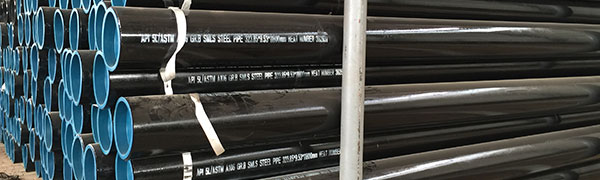
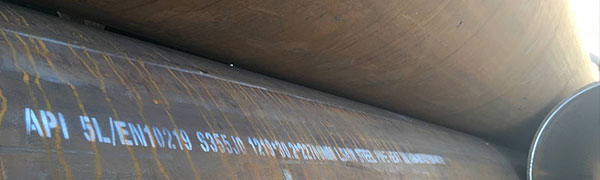
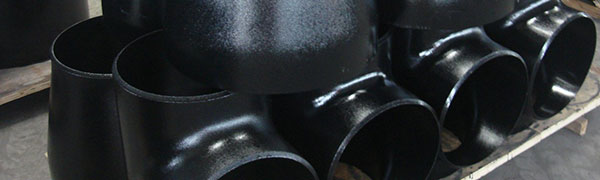
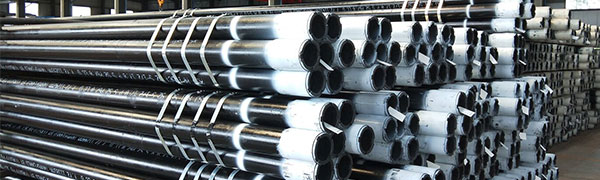
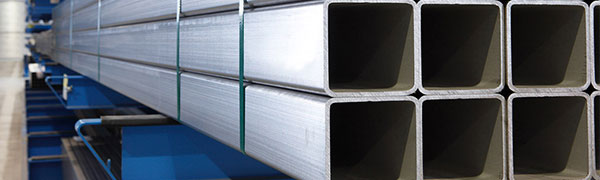
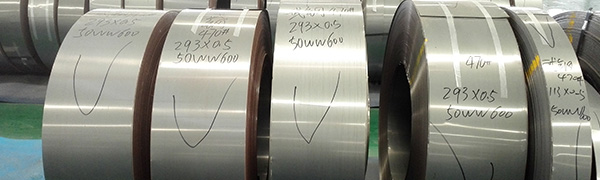


 Eastern Steel Manufacturing Co.,Ltd not only improve product production and sales services, but also provide additional value-added services. As long as you need, we can complete your specific needs together.