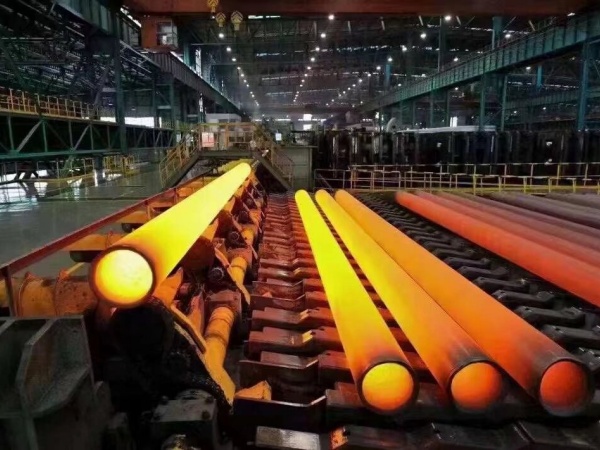
1. What Is SCH 40 Carbon Steel Pipe
SCH 40 carbon steel pipe refers to carbon steel pipe manufactured with a Schedule 40 wall thickness according to ASME B36.10M.
In this specification, SCH 40 defines the pipe dimensions and wall thickness, while the material grade determines mechanical properties, pressure performance, and service suitability.
Common SCH 40 carbon steel pipe grades include ASTM A53 Gr.B, ASTM A106 Gr.B, and API 5L Gr.B.
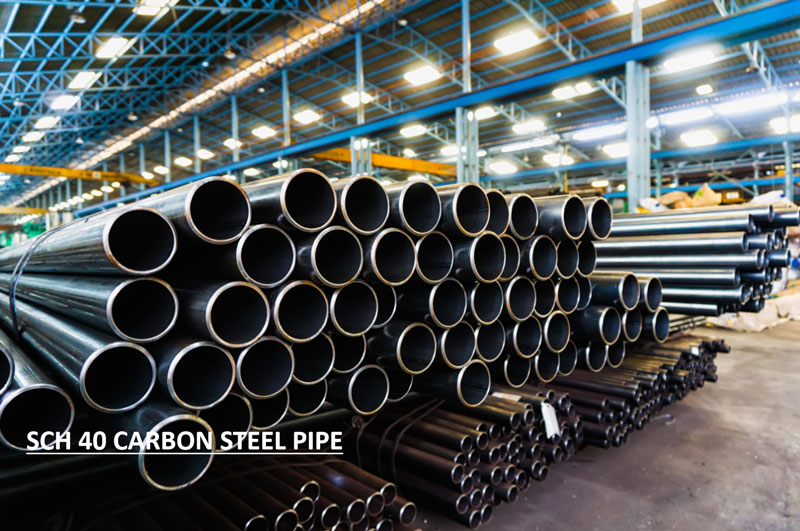
2. Carbon Steel Pipe Grades
|
Grade
|
Standard
|
Typical Service
|
|
ASTM A53 Gr.B
|
ASTM A53
|
Water, gas and general piping
|
|
ASTM A106 Gr.B
|
ASTM A106
|
High-temperature and pressure service
|
|
API 5L Gr.B
|
API 5L
|
Oil and gas pipeline transportation
|
Although SCH 40 defines the wall thickness, selecting the appropriate material grade is equally important because different grades are designed for different operating environments.
3. SCH 40 Carbon Steel Pipe Grade Comparison
|
Item
|
A53 Gr.B
|
A106 Gr.B
|
API 5L Gr.B
|
|
Main Use
|
General Piping
|
High Temperature Service
|
Pipeline Service
|
|
Seamless Available
|
Yes
|
Yes
|
Yes
|
|
Welded Available
|
Yes
|
No
|
Yes
|
|
Typical Industries
|
Construction, Utilities
|
Power, Refinery, Chemical
|
Oil & Gas
|
|
Temperature Service
|
Moderate
|
High
|
Moderate
|
4. Carbon Steel Pipe Material Properties
The mechanical properties of SCH 40 carbon steel pipe depend on the material grade. ASTM A53 Gr.B is one of the most commonly used grades for general industrial piping applications.
|
Property
|
ASTM A53 Gr.B
|
|
Yield Strength
|
35,000 psi (240 MPa)
|
|
Tensile Strength
|
60,000 psi (415 MPa)
|
|
Elongation
|
≥ 21%
|
Yield strength indicates the stress level at which permanent deformation begins, while tensile strength represents the maximum stress the material can withstand before failure. Elongation reflects the ductility of the steel and its ability to deform without cracking.
5. SCH 40 Carbon Steel Pipe Pressure Rating Chart
The following values are theoretical pressure ratings for ASTM A53 Grade B SCH 40 carbon steel pipe at ambient temperature.
|
NPS
|
OD (in)
|
Wall Thickness (in)
|
Typical Working Pressure (psi)
|
|
1"
|
1.315
|
0.133
|
4,956
|
|
2"
|
2.375
|
0.154
|
3,177
|
|
4"
|
4.500
|
0.237
|
2,581
|
|
6"
|
6.625
|
0.280
|
2,071
|
|
8"
|
8.625
|
0.322
|
1,829
|
|
12"
|
12.750
|
0.406
|
1,560
|
Why Does Pressure Rating Decrease as Pipe Size Increases?
Although SCH 40 pipe wall thickness becomes greater in larger sizes, the increase in outside diameter is proportionally larger. As a result, larger SCH 40 pipes generally have lower pressure ratings than smaller pipes manufactured from the same material grade.
6. Carbon Steel Chemical Composition
The chemical composition of SCH 40 carbon steel pipe varies depending on the applicable material standard, such as ASTM A53, ASTM A106, or API 5L. While exact values differ by grade, carbon steel typically contains controlled amounts of carbon and alloying elements to achieve a balance of strength, ductility, and weldability.
Typical Elements in Carbon Steel Pipe
(1) Carbon (C): Provides strength and hardness
(2) Manganese (Mn): Improves strength and toughness
(3) Silicon (Si): Enhances deoxidation and strength
(4) Phosphorus (P): Controlled to avoid brittleness
(5) Sulfur (S): Kept low to maintain ductility
Note:
Actual chemical composition varies by material grade and manufacturing specification. For detailed mechanical performance, refer to the corresponding ASTM or API standard.
7. Why Carbon Steel Is Preferred for SCH 40 Pipe
SCH 40 carbon steel pipe remains one of the most widely specified piping products across industrial applications. Its popularity is primarily driven by the balance between mechanical performance, fabrication flexibility, and cost efficiency.
Advantages of SCH 40 Carbon Steel Pipe
|
Property
|
Why It Matters
|
|
Strength
|
Provides sufficient mechanical strength for water, steam, oil, gas, and structural applications.
|
|
Weldability
|
Easily welded, fabricated, and installed using common field procedures.
|
|
Availability
|
Widely available in ASTM A53, ASTM A106, and API 5L grades across global markets.
|
|
Cost Efficiency
|
Lower material cost than stainless steel and many alloy steel alternatives.
|
|
Pressure Performance
|
Schedule 40 wall thickness provides reliable pressure containment for many industrial systems.
|
Compared with stainless steel and alloy steel piping, carbon steel offers an effective balance of strength, availability, and economy. For many industrial systems operating under moderate corrosion and temperature conditions, SCH 40 carbon steel pipe provides sufficient performance without the additional material cost associated with higher-alloy materials.
Both carbon steel pipe and stainless steel pipe are widely used in industrial piping systems. The selection typically depends on operating conditions, corrosion requirements, and project budget.
|
Property
|
SCH 40 Carbon Steel Pipe
|
Stainless Steel Pipe
|
|
Mechanical Strength
|
High
|
High
|
|
Corrosion Resistance
|
Moderate, usually requires coating
|
Excellent
|
|
Weldability
|
Good
|
Good
|
|
Material Cost
|
Lower
|
Higher
|
|
Maintenance Requirement
|
Higher in corrosive environments
|
Lower
|
|
Typical Applications
|
Water, oil & gas, structural, utility piping
|
Chemical processing, food processing, marine environments
|
Carbon steel pipe is often selected when strength, availability, and cost efficiency are the primary considerations. Stainless steel pipe is generally preferred for corrosive, sanitary, or high-purity service conditions where long-term corrosion resistance is critical.
For full SCH 40 dimensions, wall thickness, and pressure rating charts, refer to our Schedule 40 Seamless Pipe Dimensions guide.
9. FAQs
Q1. Is SCH 40 carbon steel pipe always seamless?
No. SCH 40 only defines the wall thickness of the pipe and does not specify the manufacturing method. SCH 40 carbon steel pipe may be produced as seamless pipe or welded pipe, depending on the applicable standard and project requirements.
Q2. Can SCH 40 carbon steel pipe be used outdoors?
Yes, but carbon steel is susceptible to corrosion when exposed to moisture and atmospheric conditions. Protective coatings such as galvanizing, painting, or external wrapping are commonly applied for outdoor service.
Q3. Can SCH 40 carbon steel pipe be galvanized?
Yes. SCH 40 carbon steel pipe can be hot-dip galvanized or coated to improve corrosion resistance in outdoor and industrial environments.
Read more: Carbon Steel Pipe Schedules and SCH 40 vs SCH 80 Pipe: Thickness, Pressure Rating and Applications



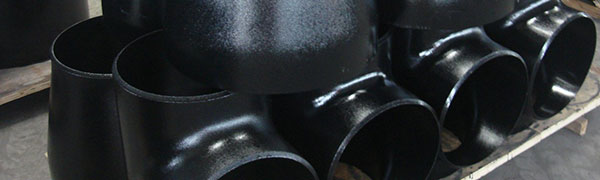
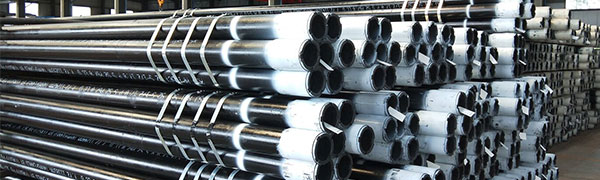
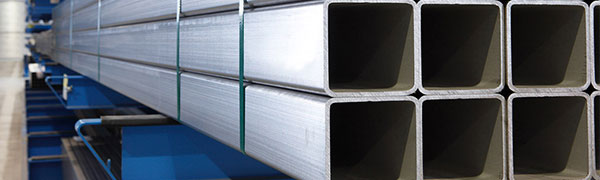
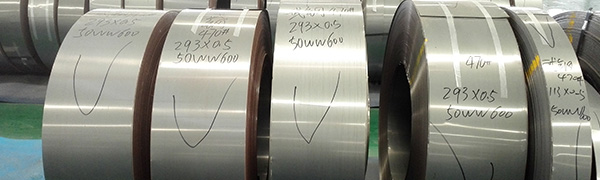


 Eastern Steel Manufacturing Co.,Ltd not only improve product production and sales services, but also provide additional value-added services. As long as you need, we can complete your specific needs together.