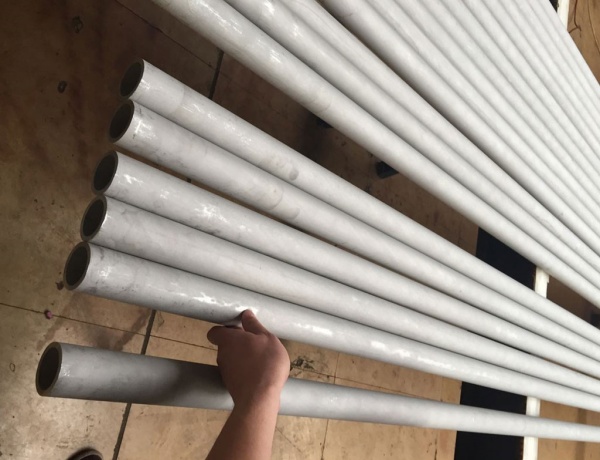
Carbon
steel pipes (CS pipe full form) are widely used in construction,
machinery, oil and gas, boiler, and automotive industries due to their
excellent strength, toughness, and processing performance. Understanding the
mechanical properties of carbon steel pipes is not only helpful for material
selection but also relates to the safety and service life of engineering
projects.
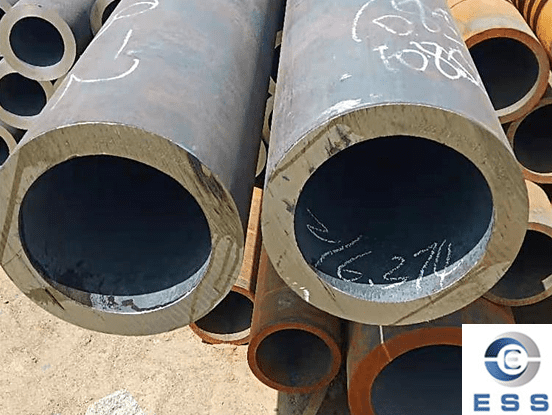
Tensive Strength of Carbon Steel Pipes
Definition: The maximum stress that a
carbon steel pipe can withstand before breaking under tension or strain.
Typical Values: Varies depending on the carbon
steel grade. For example:
|
Steel Type
|
Typical Tensile Strength (MPa)
|
Description
|
|
Mild
Steel (e.g., Q235, A36)
|
400–550
|
Good ductility, easy to process
|
|
Medium Carbon Steel (e.g., 45#, 1045)
|
600–750
|
High strength, balanced mechanical
properties
|
|
High Carbon Steel (e.g., 1080, 1095)
|
800–1200
|
High hardness, can be quenched
|
Yield Strength of Carbon Steel Pipes
The stress at which a carbon steel pipe
begins to undergo plastic deformation. Before this, the material undergoes
elastic deformation and returns to its original shape after stress removal.
Typical Values:
Mild steel: 250-350 MPa
Medium carbon steel: 350–600 MPa
High carbon steel: Up to 850 MPa
Elongation of Carbon Steel Pipe
The degree to which a carbon steel pipe can
be stretched before fracture, expressed as a percentage of its original length.
Typical Values: The elongation of many
grades of carbon steel is 15-25% (the higher the carbon content, the lower the
elongation), depending on the carbon content and processing method.
Hardness of Carbon Steel Pipe
The ability of a carbon steel pipe to
resist deformation (especially permanent deformation, indentation, or
scratches).
Typical Values: Varies with carbon content.
Measured using scales such as Brinell hardness (HB), Rockwell hardness (HRB or
HRC), and Vickers hardness (HV).
Mild steel (e.g., A36): Hardness
approximately 120-180 HB
Medium-carbon steel (45#): Hardness
approximately 170–250 HB
High-carbon steel: Hardness can reach 700
HB in the quenched state
Impact Toughness of Carbon Steel Pipes
The ability of a carbon steel pipe to
absorb energy and undergo plastic deformation without fracturing. It is
typically measured using the Charpy V-notch impact test.
Typical Value: Low-carbon steel has high
impact toughness, which decreases with increasing carbon content. Toughness
also depends on temperature; carbon steel tends to be more brittle at low
temperatures.
Fatigue Strength of Carbon Steel Pipes
The maximum stress a carbon steel pipe can
withstand at a given number of cycles without fracturing.
Typical Value: Typically lower than tensile
strength, depending on the surface finish of the material, temperature, and
environment.
Duliability of Carbon Steel Pipes
The ability of a carbon steel pipe to
undergo significant plastic deformation before fracture.
Typical Value: Carbon steel pipes generally
have good ductility, especially low-carbon steel, making them easy to form.
Elastic Modulus (Young's Modulus) of
Carbon Steel Pipe
A measure of the stiffness of carbon steel
pipes. It is the ratio of stress to strain within the elastic deformation
region.
Typical Value: Approximately 200 GPa
(29,000 ksi) for carbon steel.
Thermal Properties of Carbon Steel Pipes:
Coefficient of Thermal Expansion: Typically approximately 11.7 × 10⁻⁶ /°C
for carbon steel.
Thermal
Conductivity of Carbon Steel Pipes:
Approximately 30-60 W/m·K.
Corrosion Resistance of Carbon Steel
Pipes
Carbon steel is susceptible to corrosion,
especially in humid and corrosive environments. Protective coatings or
treatments are usually required to improve its corrosion resistance.
Common Methods to Improve Corrosion
Resistance: Hot-dip galvanizing (HDG) Cold galvanizing Epoxy/polyurethane
coating Use of weathering steel (e.g., Q355NH)
Factors Affecting the Mechanical
Properties of Carbon Steel Pipes
1. Carbon Content
Higher carbon content in carbon steel
results in higher hardness and strength, but correspondingly lower toughness.
Low-carbon steel is suitable for welding,
while high-carbon steel is not suitable for complex machining.
2. Alloying Elements
Carbon steel with added alloying elements
has better mechanical properties, such as higher heat resistance and
compressive strength.
|
Alloy Element
|
Function
|
|
Mn
|
Increases hardness and strength
|
|
Si
|
Enhances elasticity and tensile strength
|
|
Cr
|
Increases wear resistance and corrosion
resistance
|
|
Mo
|
Improves high-temperature resistance
|
|
V
|
Enhances hardenability and strength
|
3. Heat Treatment Processes
Different heat treatment processes affect
the crystal structure and properties of carbon steel. For example, quenching,
tempering, and normalizing determine the hardness and toughness of carbon
steel.
Annealing: Reduces hardness, increases
plasticity, and improves machinability.
Normalizing: Moderate strength and uniform
microstructure.
Quenching: Significantly increases strength
but increases brittleness.
Tempering: Reduces brittleness and
increases toughness.
4. Machining Methods
The mechanical properties of carbon steel
are also closely related to its machining methods. Forging, rolling, and
stretching processes all have a certain impact on the properties of carbon
steel.
Cold-drawn pipes: High strength, high
precision.
Hot-rolled pipes: Good toughness, suitable
for high temperatures.
Welded
pipes: Low cost, strength slightly lower than seamless
pipes.
FAQ
1. What are the main differences between
seamless carbon steel pipes and welded carbon steel pipes?
Seamless carbon steel pipes have no weld
seams, therefore they have higher strength and reliability, making them ideal
for high-pressure applications.
In contrast, welded carbon steel pipes have
welded joints, have slightly lower strength, but are generally more economical
and more suitable for less demanding environments.
2. Can carbon steel pipes be used in
high-temperature and corrosive environments?
Yes, but the following conditions must be
met:
Appropriate grades need to be selected
(e.g., A106, A335, P series for high temperatures)
Galvanizing or anti-corrosion coatings
should be used if necessary
Weathering steel or alloy steel can be used
instead in highly corrosive environments.
Summary
These mechanical properties make carbon
steel pipes suitable for a variety of applications, including structural
support, fluid transport, and mechanical components. Specific properties will
vary depending on the specific grade of carbon steel used and the processing
method (e.g., heat treatment, cold working).
Read more: MS
Pipe VS CS Pipe: Mechanical Properties





 Eastern Steel Manufacturing Co.,Ltd not only improve product production and sales services, but also provide additional value-added services. As long as you need, we can complete your specific needs together.