Under prolonged high temperature, high
pressure, and corrosive environments, boiler
tubes are highly susceptible to burnout, bulging, or bursting. This not
only causes production losses but can also pose serious safety risks. This
article will analyze in detail the causes of boiler tube burnout and their
solutions, focusing on overheating, corrosion, scale buildup, and wear.
Working Principle of Boiler Tubes
The working principle of boiler tubes
mainly involves two aspects: heat transfer and fluid flow.
In a boiler, fuel combustion generates a
large amount of heat, which is transferred to the boiler tubes through the
furnace. Boiler tubes are usually made of materials with good thermal
conductivity, such as carbon steel and alloy steel. Heat is transferred from
the furnace wall to the outer surface of the boiler tubes, and then gradually
transferred to the fluid inside the tubes through thermal conduction.
The fluid inside the tubes is usually water
or steam. As heat is transferred, the water is gradually heated and converted
into steam. In this process, the fluid flows inside the boiler tubes, forming
convective heat transfer. The fluid flow allows heat to be distributed more
evenly throughout the tubes, improving heat exchange efficiency.
Causes of Boiler Tube Burnout
Boiler tube "burnout" is
essentially a combined result of localized overheating and material failure.
Industrial field statistics show that over 80% of tube ruptures are related to
overheating.
1. Overheating Leads to Burnout
If the temperature of the boiler tubes is
too high during operation, exceeding the tube material's tolerance range, it is
prone to burnout.
Overheating can be caused by various
factors, such as improper boiler design, inadequate combustion control, and
poor water circulation.
Short-term overheating:
Characteristics: Rapid temperature rise;
rapid bulging and rupture of tube walls; plastic tearing of metal.
Common causes: Interruption of water
circulation; uneven flame distribution in the furnace; severe scaling inside
the tubes; uneven flow distribution.
Long-term overheating:
Characteristics: Prolonged high-temperature
operation; metal creep; slow bulging of tube diameter; eventual tube rupture.
2. Damage Caused by Corrosion
During long-term operation, boiler tubes
are susceptible to erosion by corrosive substances in water, steam, and flue
gas, leading to thinning of the tube walls, decreased strength, and ultimately,
burnout.
Types and causes of corrosion:
Oxygen corrosion: Oxygen-containing
feedwater.
Under-scale corrosion: Scale deposition.
Flue gas corrosion: SO₂, Cl⁻.
Alkali corrosion: Concentrated NaOH.
3. Burn-off Caused by Wear and Tear
High-speed flow of water, steam, or flue
gas within the boiler tubes causes erosion and wear on the tube walls. Over
time, the tube walls gradually thin, even developing perforations, leading to
burn-out.
This is most common in the following areas:
elbows, header outlets, throttling zones, and reheater inlets.
4. Improper Water Treatment
The quality of boiler water directly
affects the service life of boiler tubes. Improper water treatment causes
impurities and hardness components in the water to form deposits (carbonate
scale, sulfate scale, silicate scale, iron scale) on the tube walls, affecting
heat transfer efficiency and even causing under-deposit corrosion.
|
Scale Thickness
|
Tube Wall Temperature Rise
|
|
0.5 mm
|
20–30℃
|
|
1 mm
|
Above 60℃
|
|
2 mm
|
May cause tube rupture
|
Allowable Heating Temperature for Boiler
Tubes
Generally, boiler tubes are prone to
burn-out when heated above 650℃, but this depends on
the material of the boiler tubes. This is because high temperatures can cause
deformation or damage to the boiler tubes, affecting the safe operation of the
boiler.
Generally, boiler tubes are designed to
operate within a temperature range of 500℃ to 650℃. Within this range, boiler tubes maintain good performance and
safety. However, when the temperature exceeds 650℃,
boiler tubes are easily damaged.
High temperatures can cause changes in the
boiler tube material, leading to decreased strength, deformation, and even
cracking. Furthermore, prolonged exposure to high temperatures accelerates the
aging process of boiler tubes, shortening their service life.
Common boiler
tube material temperature ranges:
Carbon steel (20G / ASTM A106 Gr.B): ≤ 450℃
Low alloy steel (T11 / T22): 500–580℃
High alloy steel (T91 / T92): 600–650℃
Stainless steel: Higher temperatures are
possible.
Solutions for Boiler Tube Burns Out
1. Confirm the Location and Extent of the
Burnt Section
First, it is necessary to confirm the
specific location and extent of the burnt section.
If the burn is small, it can be repaired
with a pipe clamp. If the burn is severe, the damaged part needs to be
replaced.
Damage extent and repair measures:
Minor Pitting: Grinding + Monitoring.
Local Thinning: Tube Repair.
Bulging/Deformation: Must Replace.
Burst/Perforation: Must Replace.
2. Use Temporary Emergency Measures
If you are waiting for a repairman but need
to keep the boiler running, temporary emergency measures can be used.
For example, use welding rods and strapping
to temporarily repair and seal the burnt area to ensure normal boiler
operation.
3. Seek Professional Repair Assistance
For serious problems like burnt-out boiler
tubes, it is best to have a professional repair it. Seek help from equipment
repair companies or professional boiler repair organizations to ensure the
long-term operation of the boiler.
Before repair, ensure proper safety
procedures are followed, such as shutting off the flame, disconnecting power,
and preventing burner ignition to ensure the safety of the repair process.
4. Pay Attention to Routine Maintenance
In addition to timely repairs, routine
boiler maintenance is also necessary. This includes regularly cleaning boiler
scale and promptly replacing easily worn parts such as the furnace and pipes.
Strengthening daily maintenance can extend the boiler's service life and
prevent malfunctions such as burn-out.
FAQ
1. What are the most common causes of
boiler tube rupture?
Field statistics show that localized
overheating (especially caused by scaling) accounts for the highest proportion.
2. Will a bulging boiler tube always burst?
Not necessarily, but it is a serious
warning sign and must be replaced as soon as possible.
3. Why do boiler tubes fail?
Boiler
tube failure is mainly caused by factors such
as localized overheating, corrosion thinning, scale deposition, and erosion
wear.
Among these, the most common cause is scale
buildup or poor water circulation leading to poor heat dissipation, causing
abnormal increases in tube wall temperature, ultimately resulting in bulging or
bursting.
Summary
In summary, the main causes of boiler tube
burn-out include overheating, corrosion, wear, and improper water treatment. To
reduce the risk of burn-out, you need to address these aspects, strengthen
equipment inspection and maintenance, and ensure the safe and stable operation
of boiler tubes.



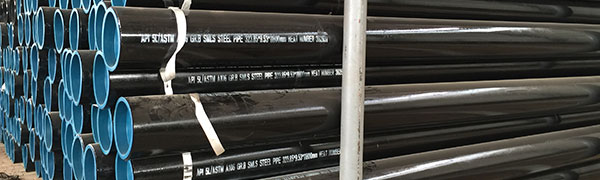


 Eastern Steel Manufacturing Co.,Ltd not only improve product production and sales services, but also provide additional value-added services. As long as you need, we can complete your specific needs together.