Low-Temperature Brittleness Temperature of Carbon Steel Pipe
The low-temperature brittleness temperature
of carbon steel pipe is affected by a variety of factors, generally ranging
from -29°C to -46°C. The
specific temperature depends on factors such as carbon content, alloying
elements, and cold treatment method.
Performance Changes of Carbon Steel Pipe
at Low Temperatures
Carbon steel pipe undergoes significant
changes in its properties in low-temperature environments. Normally, carbon
steel pipe can function normally above -20°C, where the
steel is in a ductile state, exhibiting excellent strength and toughness.
However, when temperatures drop below -20°C, carbon
steel pipe gradually enters a brittle state. In this state, the pipe becomes
more fragile and susceptible to fracture due to impact.
In addition to reduced impact resistance,
low temperatures also reduce the corrosion resistance, wear resistance, and
hydrogen embrittlement resistance of carbon steel pipe. Therefore, special
attention must be paid to the safety and reliability of carbon steel pipe when
used in low-temperature environments.
Low-Temperature Brittleness of Carbon
Steel Pipe
Carbon steel pipes can become brittle in
low-temperature environments. This is due to the low temperature-induced
transformation of ferrite and cementite in the steel, which leads to brittle
fracture. The low-temperature brittleness temperature of carbon steel pipe is
not a fixed value but rather influenced by a combination of factors.
Using Temperature Requirements for
Carbon Steel Pipe in Low-Temperature
For low-temperature, low-stress
applications, carbon steel pipe has certain operating temperature requirements.
According to relevant regulations, low-temperature, low-stress conditions are
considered when the ambient temperature is below -20°C
and the tensile membrane stress is less than or equal to 1/6 of the standard
room-temperature yield point and no greater than 50 MPa.
In this case, the lower operating
temperature of carbon steel pipe can be reduced to -70°C.
However, this does not mean that carbon steel pipe can be used unrestricted in
all low-temperature environments. In practical applications, understanding the low-temperature
use range of carbon steel pipe requires evaluation and selection based
on specific circumstances.
Factors Affecting the Low-Temperature
Brittleness Temperature of Carbon Steel Pipe
1. Carbon Content
Based on the carbon content, it can be
categorized into three types: mild
steel pipe, medium-carbon steel pipe, and high-carbon
steel pipe. Carbon steel pipe with a high carbon content is more
susceptible to brittleness at low temperatures. This is because carbon forms a
large amount of cementite, increasing the brittleness of the steel.
2. Alloying Elements
The addition of alloying elements can
improve the low-temperature performance of carbon steel pipes. For example,
alloying elements such as nickel, copper, and cobalt can inhibit the
transformation of ferrite to cementite, improving the steel's plasticity and
toughness, thereby lowering the low-temperature brittle transition temperature.
3. Cold Treatment Methods
Appropriate cold treatment, such as
quenching and normalizing, can improve the low-temperature performance of
carbon steel pipes. By adjusting cold treatment process parameters, the steel's
microstructure can be modified, thereby improving its low-temperature
toughness.
Range of Low-Temperature Brittle
Transformation Temperatures of Carbon Steel Pipes
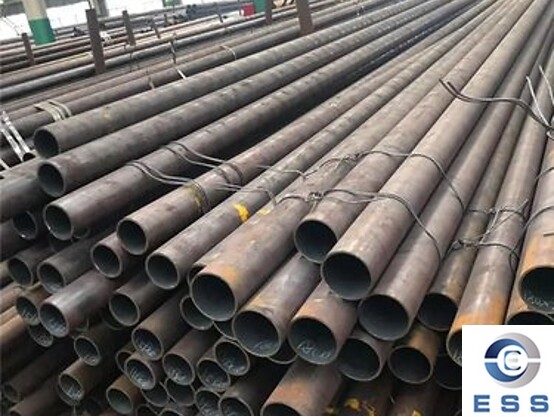
Taking all the above factors into account,
the low-temperature brittle transition temperature of ordinary carbon steel
pipes is generally between -29°C and -46°C. Within this temperature range, carbon steel pipes can still meet
general industrial requirements.
However, for specific applications, such as
those in the liquefied natural gas (LNG) and liquefied petroleum gas (LPG)
industries, specialized carbon steel pipes with lower brittle transition
temperatures may be required.
Measures to Improve the Low-Temperature
Performance of Carbon Steel Pipes
In addition to adjusting carbon content,
adding alloying elements, and optimizing cold treatment methods, other measures
can be taken to improve the low-temperature performance of carbon steel pipes.
For example, mechanical surface treatment
can be used to improve the surface quality of the steel; lubrication and
cooling systems can be optimized to maintain good performance at low
temperatures; and more stringent control and testing methods can be implemented
to ensure the safety and reliability of carbon steel pipes.
How to Safely Use Carbon Steel Pipes in
Low-Temperature Environments
To safely use carbon steel pipes in
low-temperature environments, the following recommendations are provided:
1. When selecting and using carbon steel
pipes, factors such as impact resistance, corrosion resistance, wear
resistance, and hydrogen embrittlement resistance should be fully considered.
These properties can significantly change in low-temperature environments.
2. For carbon steel pipes intended for use
in low-temperature environments, detailed material evaluation and selection
should be conducted. If necessary, steels with alloying elements added to
enhance low-temperature performance can be selected.
3. During the design phase, the cold
insulation structure and support design for carbon steel pipes in
low-temperature environments should be fully considered. This helps reduce
energy loss, improve equipment efficiency, and ensure safe pipeline operation.
4. Regularly inspect and maintain carbon
steel pipes used in low-temperature environments. Pay particular attention to
the integrity of the pipe's insulation and check for corrosion, wear, and other
issues.
Summary
Understanding the
low-temperature embrittlement temperature of carbon steel pipes is crucial for
ensuring their safe use in various industrial applications. Through appropriate
material selection, optimized design, and regular maintenance, the service life
of carbon steel pipes can be effectively extended and safety risks reduced.
Read more: Temperature Limit for Carbon Steel Pipe Welding or Risks of Carbon Steel Pipes at Low Temperatures





 Eastern Steel Manufacturing Co.,Ltd not only improve product production and sales services, but also provide additional value-added services. As long as you need, we can complete your specific needs together.