In cold environments or low-temperature
conditions, many normally reliable carbon
steel pipes may experience brittle fracture without warning. This
failure is often not due to insufficient strength, but rather to the typical
low-temperature embrittlement that occurs at low temperatures.
When the temperature drops below a certain
critical point, the impact toughness of carbon steel decreases sharply, making
the pipe extremely sensitive to even minor defects, and in severe cases, it may
even lead to sudden bursting accidents. This article will detail the risks and
preventative measures for carbon steel pipes in low-temperature environments.
Features of Carbon Steel Pipes
Carbon steel pipes are widely used for
transporting gases and liquids. Their main materials are carbon and iron, and
they possess advantages such as high strength, corrosion resistance, and wear
resistance, thus finding wide application in industrial production.
However, it is important to note that
ordinary carbon steel is not naturally suited for low-temperature environments.
Under low-temperature conditions, its mechanical properties will deteriorate
significantly, and in severe cases, it may lead to brittle fracture.
Features of Low-Temperature
Environments
Low-temperature environments refer to
environments with temperatures below 0℃. In
low-temperature environments, the physical properties of materials, such as
strength, toughness, and plasticity, change, easily leading to cold
brittleness. Cold brittleness refers to the decrease in toughness of materials
at low temperatures, making them brittle and prone to fracture.
Impact of Low Temperatures on Carbon
Steel Pipes
1. Low-Temperature Brittle Transition
Carbon steel transitions from a ductile
state to a brittle state at low temperatures. The critical temperature is
typically -29℃ (according to ASTM A333 standard). The low-temperature
operating temperature range for carbon steel pipes is usually above -20℃.
When the temperature falls below this
threshold, impact toughness decreases significantly. For example, the Charpy
V-notch impact energy of A106 Gr.B carbon steel at -40℃ may be less than 27J (refer to API 5L), easily leading to sudden fracture.
2. Increased Stress Concentration
Sensitivity
Low temperatures amplify the stress
concentration effect of pipe defects (such as scratches and corrosion pits).
Experimental data shows that at -50℃, the fracture
toughness (KIC) of carbon
steel may decrease by 30%~50%
(Source: ASME Pressure Vessel Technical
Handbook), causing micro-defects to rapidly propagate into cracks.
1. Carbon Content
Carbon steel pipes with high carbon content
are more prone to embrittlement at low temperatures. This is because carbon
forms a large amount of cementite, increasing the steel's brittleness.
2. Alloying Elements
The addition of alloying elements can
improve the low-temperature performance of carbon steel pipes. For example,
alloying elements such as nickel, copper, and cobalt can inhibit the
transformation of ferrite to cementite, improve the plasticity and toughness of
the steel, and thus lower the low-temperature embrittlement temperature.
3. Cold Treatment Methods
Appropriate cold treatments, such as
quenching and normalizing, can improve the low-temperature performance of
carbon steel pipes. By adjusting the cold treatment process parameters, the
microstructure of the steel can be changed, thereby improving its low-temperature
toughness.
Engineering Risks Caused by Low
Temperature Environments
1. Weld Joint Failure
Due to residual stress and uneven
microstructure, the weld area becomes a high-risk zone for low-temperature
brittle fracture. For example, an LNG project recorded a crack propagation rate
in carbon steel welds at -35℃ that was 4 times higher
than at room temperature (case cited in the *International Journal of Pipeline
Engineering*).
2. Fluid Phase Change and Freezing Blockage
Risks
When transporting water-containing media,
low temperatures may induce ice crystal formation (freezing point expansion
rate approximately 9%), leading to pipe inner diameter shrinkage or flange seal
failure. Electric heating or insulation layers are required (polyurethane
materials with a thermal conductivity ≤0.04 W/m·K are recommended).
Preventive Measures for Carbon Steel
Pipes at Low Temperatures
To address the hazards of low temperatures
to carbon steel pipes, the following preventive measures should be taken to
ensure production safety:
1. Use Low-Temperature Crack-Resistant
Materials
To address the problems of easy cracking
and breakage of carbon steel pipes in low-temperature environments,
low-temperature crack-resistant materials can be selected, such as
low-temperature carbon steel and low-temperature alloy steel. These materials have
relatively high fracture toughness and can better adapt to use in
low-temperature environments.
For operating conditions with temperatures
consistently below -29℃, it is recommended to use
low-temperature carbon steel (such as ASTM A333 Gr.6) or austenitic stainless
steel. The table below compares the properties of the two types of materials:
|
Parameters
|
ASTM A106 Gr.B Carbon Steel
|
ASTM A333 Gr.6 Low-Temperature Steel
|
|
Lower Operating Temperature
|
-29℃
|
-45℃
|
|
Impact Energy (-40℃)
|
<27J
|
≥40J
|
2. Strengthen Pipeline Maintenance and
Management
During the use of carbon steel pipes,
maintenance and management should be strengthened to promptly identify pipeline
problems and take corresponding repair measures. Furthermore, the upkeep and
repair of carbon steel pipes should be strengthened to reduce the failure rate
and extend their service life.
3. Monitor Pipeline Quality
During the production process, the quality
of carbon steel pipes should be monitored regularly, especially under more
stringent quality testing in low-temperature environments, to ensure that the
quality of the carbon steel pipes meets the standard requirements and prevent
problems.
4. Insulation Measures
In low-temperature environments, insulation
measures, such as adding insulation layers, should be implemented to enhance
the insulation performance of carbon steel pipes and prevent brittle fracture
due to excessive cooling.
Summary
Low temperatures pose a significant threat
to carbon steel pipes. We need to strengthen pipeline maintenance and
management, utilize low-temperature crack-resistant materials, enhance pipeline
quality monitoring, and implement insulation measures to ensure safe pipeline
operation. These measures should not only be implemented in industrial
production but also be further explored in theory and practice to promote
energy conservation, emission reduction, and production safety.



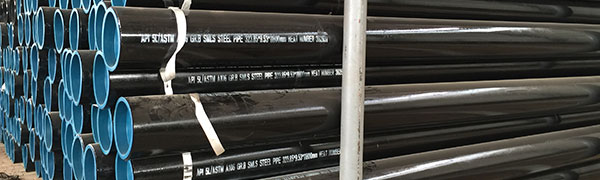


 Eastern Steel Manufacturing Co.,Ltd not only improve product production and sales services, but also provide additional value-added services. As long as you need, we can complete your specific needs together.