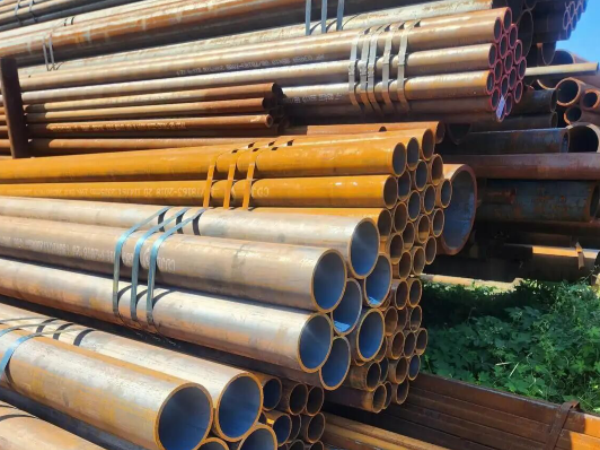
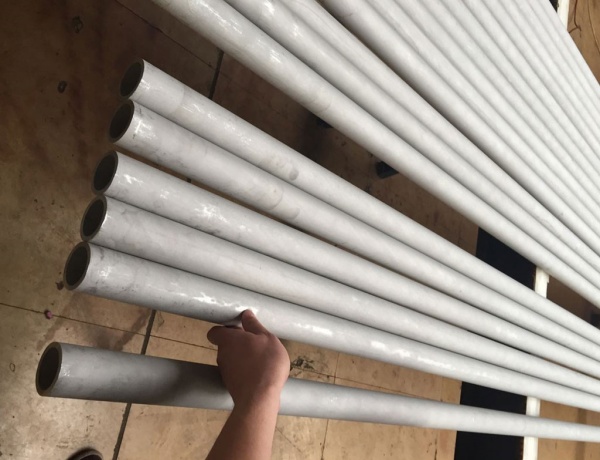
Drill pipe can be welded, but only for specialized welding in specific
locations, with specific steel grades, and under specific process conditions.
Conventional API drill pipe should not be arbitrarily welded on-site as a
load-bearing connection; otherwise, it will seriously affect safety and even
cause downhole accidents.
Basic Principles of Drill Pipe Welding
Drill pipe welding typically refers to:
repair welding of non-load-bearing parts; welding of pup joints or accessories; and friction welding (inertia welding) to connect the drill
pipe body to the tool joint.
In the API
Spec 5DP standard, the connection between the drill pipe body and the
tool joint uses friction welding, not manual arc welding. The quality of drill
pipe welding directly affects the efficiency and safety of drilling operations.
Key Processes in Drill Pipe Welding
The following key points need to be
mastered during drill pipe welding:
1. Drill Pipe Preheating
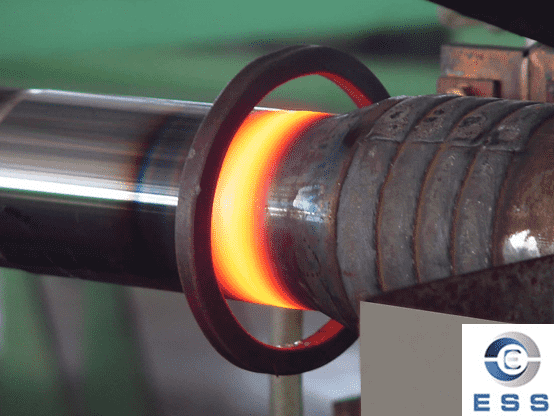
Drill pipe needs to be preheated before
welding to reduce welding stress and deformation. Common preheating
temperatures: 100–250°C
(depending on steel grade).
2. Welding Parameter Control
This includes controlling parameters such
as current, voltage, wire feed speed, and gas flow rate. Adjustments need to be
made according to the material being welded and the specific requirements.
3. Post-Welding Treatment
This includes steps such as weld smoothing,
slag removal, and weld quality inspection.
Drill Pipe Welding Machine and Tools
1. Welding Equipment
DC welding machine; Automatic or
semi-automatic welding system; Friction welding machine (factory only).
2. Auxiliary Tools
Preheating device (induction or flame);
Temperature measuring instrument (infrared/thermocouple); Weld grinding and
flaw detection equipment (UT/MT).
Common Welding Rods for Drill Pipe
Commonly used welding rods for drilling
pipes mainly include the E5015, E5016, E5018, E55 series, and E6010 series. The
characteristics of these welding rods are as follows:
1. E5015 Welding Rod
This welding rod is an alkaline welding rod
with high current density, good weld formation, strong weld toughness, and good
heat resistance. It is suitable for welding medium and thick plates.
However, it produces more welding spatter,
requiring careful protection.
2. E5016 Welding Rod
This welding rod is also an alkaline welding
rod, typically used for welding large steel structures and high-strength steel.
Its tensile strength is higher than E5015.
However, it can cause significant shrinkage
stress when welding thin steel plates, requiring additional protection.
3. E5018 Welding Rod
This welding rod is an alkaline welding rod,
commonly used for welding important steel structures. It produces high-quality
welds with good tensile strength and crack resistance.
However, it needs to be thoroughly baked
dry to prevent hydrogen generation that could render the weld unusable.
4. E55 Series Welding Rod
This welding rod is a low-hydrogen
sodium-type steel structure welding rod, suitable for welding various ordinary
steels and low-alloy steels.
It produces less spatter, has good weld
bead formation, and is highly resistant to impact and cracking. However, the
intense arc light can affect the nervous system, so eye protection is
necessary.
5. E6010 Series Welding Rods
These welding rods are magnesium-sodium
type, typically suitable for fieldwork. They offer good weld bead formation and
penetration, and can be used normally in adverse weather and environmental
conditions, but require a high level of operator skill.
Precautions Before Welding
1. Thoroughly clean the drill pipe before
welding to prevent contamination and defects.
2. Select appropriate welding materials and
welding processes based on the drill
pipe steel grade and material before welding.
3. During welding, simultaneously record
welding parameters and weld quality for subsequent inspection and tracking.
Problems in Drill Pipe Welding
1. Incomplete Weld Penetration
This may be due to insufficient welding
temperature or an unsuitable ratio of welding material to base material.
Solutions include increasing the current or using higher quality welding
materials.
2. Weld Cracks
This may be due to excessively high welding
temperature or excessive welding stress.
Solutions include controlling welding
parameters, preheating, and introducing hydrogen gas.
3. Weld Deformation
This may be due to improper control of
welding parameters or insufficient preheating.
Solutions include mastering
welding parameters, performing appropriate preheating, and post-treatment.
Read more: NC50 Drill Pipe Sizes and Specs





 Eastern Steel Manufacturing Co.,Ltd not only improve product production and sales services, but also provide additional value-added services. As long as you need, we can complete your specific needs together.