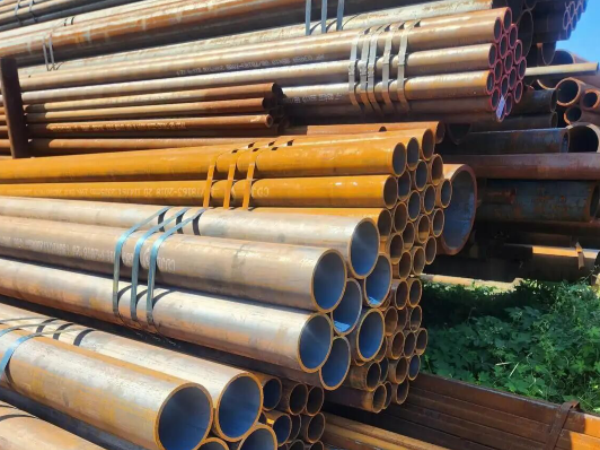
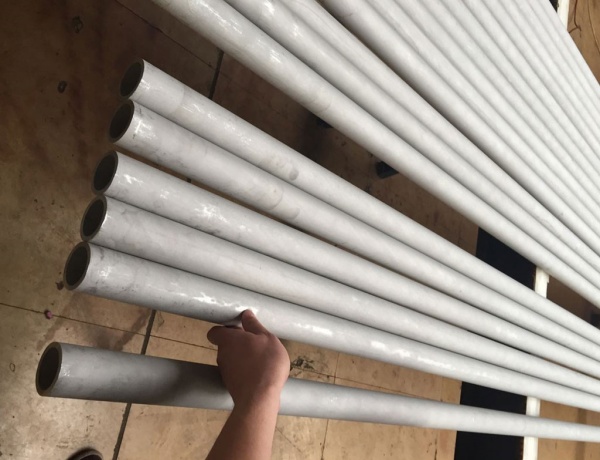
S355J2H is a non-alloy structural steel grade specified in EN 10210-1, with a material number of 1.0576. This grade is used for hot-finished structural hollow sections, including seamless and welded sections.
1. S355J2H Material and EN 10210
S355J2H is a non-alloy structural steel grade specified in EN 10210-1. Its material number is 1.0576.
The designation S355J2H indicates:
S — Structural steel
355 — Minimum yield strength of 355 MPa for wall thicknesses up to 16 mm
J2 — Minimum impact energy of 27 J at -20°C
H — Hollow section
Under EN 10210-1, S355J2H is used for structural hollow sections. The standard covers hot-finished seamless and welded hollow sections in circular, square, rectangular, and elliptical forms.
EN 10219-1 covers cold-formed welded structural hollow sections. S355J2H is also specified under EN 10219, but the two standards cover different manufacturing routes.
2. S355J2H Chemical Composition
The chemical composition of S355J2H (1.0576) is specified in EN 10210-1. The limits below are based on cast analysis for products with a specified wall thickness of up to 120 mm.
|
Element
|
Maximum content (% by mass)
|
|
C
|
0.22
|
|
Si
|
0.55
|
|
Mn
|
1.60
|
|
P
|
0.030
|
|
S
|
0.030
|
|
N
|
—
|
Deoxidation: FF — fully killed steel containing nitrogen-binding elements in amounts sufficient to bind available nitrogen.
Carbon Equivalent Value (CEV)
The maximum CEV for S355J2H varies with the specified wall thickness:
|
Wall thickness (mm)
|
Maximum CEV (%)
|
|
≤16
|
0.45
|
|
>16 to ≤40
|
0.47
|
|
>40 to ≤65
|
0.50
|
|
>65 to ≤120
|
0.53
|
The CEV limits are used when assessing the weldability of the steel.
3. EN 10210 S355J2H Mechanical Properties & Impact Toughness
The mechanical properties of EN 10210 S355J2H (1.0576) depend on the specified nominal wall thickness.
Mechanical Properties
|
Nominal Wall Thickness (t, mm)
|
Min. Yield Strength ReH (MPa)
|
Tensile Strength Rm (MPa)
|
Min. Elongation A (%)
|
|
t ≤ 16
|
355
|
470–630*
|
22
|
|
16 < t ≤ 40
|
345
|
470–630
|
22
|
|
40 < t ≤ 63
|
335
|
470–630
|
21
|
|
63 < t ≤ 80
|
325
|
470–630
|
20
|
|
80 < t ≤ 100
|
315
|
470–630
|
20
|
|
100 < t ≤ 120
|
295
|
450–600
|
18
|
For wall thicknesses below 3 mm, the specified tensile strength is 510–680 MPa. For wall thicknesses above 3 mm and up to 100 mm, it is 470–630 MPa.
Charpy V-Notch Impact Energy
Test temperature: −20°C
Minimum impact energy: 27 J
4. S355J2H Seamless Steel Pipe Dimensions
For S355J2H seamless steel pipe supplied to EN 10210, outside diameter and wall thickness are the main dimensional parameters. The following tables provide reference dimensions, cross-sectional areas and nominal mass per unit length based on the limited range of standard sizes in EN 10210-2:2019 Annex B.
Calculation Parameters
Steel Density: 7.85 kg/dm³ (7,850 kg/m³)
Cross-Sectional Area (A):
A = π(D - t)t / 100 [cm²]
Nominal Mass per Unit Length (M):
M = 0.0246615(D - t)t [kg/m]
where:
D: Outside Diameter (mm)
t: Wall Thickness (mm)
4.1 Small to Medium Outside Diameter
|
Outside Diameter D (mm)
|
Wall Thickness t (mm)
|
Cross-Sectional Area A (cm²)
|
Mass per Unit Length M (kg/m)
|
|
21.3
|
2.3
|
1.37
|
1.08
|
|
2.6
|
1.53
|
1.20
|
|
3.2
|
1.82
|
1.43
|
|
26.9
|
2.3
|
1.78
|
1.40
|
|
2.6
|
1.98
|
1.56
|
|
3.2
|
2.38
|
1.87
|
|
33.7
|
2.6
|
2.54
|
1.99
|
|
3.2
|
3.07
|
2.41
|
|
4.0
|
3.73
|
2.93
|
|
42.4
|
2.6
|
3.25
|
2.55
|
|
3.2
|
3.94
|
3.09
|
|
4.0
|
4.83
|
3.79
|
|
5.0
|
5.90
|
4.60
|
|
48.3
|
2.6
|
3.73
|
2.93
|
|
3.2
|
4.53
|
3.56
|
|
4.0
|
5.57
|
4.37
|
|
5.0
|
6.80
|
5.34
|
|
6.3
|
8.30
|
6.50
|
|
60.3
|
2.6
|
4.71
|
3.70
|
|
3.2
|
5.74
|
4.51
|
|
4.0
|
7.07
|
5.55
|
|
5.0
|
8.69
|
6.82
|
|
6.3
|
10.70
|
8.40
|
|
76.1
|
2.6
|
6.00
|
4.71
|
|
3.2
|
7.33
|
5.75
|
|
4.0
|
9.06
|
7.11
|
|
5.0
|
11.20
|
8.77
|
|
6.3
|
13.80
|
10.80
|
|
8.0
|
17.10
|
13.40
|
|
10.0
|
20.80
|
16.30
|
|
88.9
|
3.2
|
8.62
|
6.76
|
|
4.0
|
10.70
|
8.38
|
|
5.0
|
13.20
|
10.30
|
|
6.3
|
16.30
|
12.80
|
|
8.0
|
20.30
|
16.00
|
|
10.0
|
24.80
|
19.50
|
|
12.5
|
30.00
|
23.50
|
|
114.3
|
3.6
|
12.50
|
9.83
|
|
4.5
|
15.50
|
12.20
|
|
6.3
|
21.40
|
16.80
|
|
8.0
|
26.70
|
21.00
|
|
10.0
|
32.80
|
25.70
|
|
12.5
|
40.00
|
31.40
|
|
16.0
|
49.40
|
38.80
|
|
139.7
|
4.0
|
17.00
|
13.40
|
|
5.0
|
21.20
|
16.60
|
|
6.3
|
26.40
|
20.70
|
|
8.0
|
33.10
|
26.00
|
|
10.0
|
40.70
|
32.00
|
|
12.5
|
50.00
|
39.20
|
|
16.0
|
62.20
|
48.80
|
|
168.3
|
4.5
|
23.20
|
18.20
|
|
6.3
|
32.10
|
25.20
|
|
8.0
|
40.30
|
31.60
|
|
10.0
|
49.70
|
39.00
|
|
12.5
|
61.20
|
48.00
|
|
16.0
|
76.60
|
60.10
|
|
20.0
|
93.20
|
73.10
|
4.2 Large Outside Diameter and Heavy Wall
|
Outside Diameter D (mm)
|
Wall Thickness t (mm)
|
Cross-Sectional Area A (cm²)
|
Mass per Unit Length M (kg/m)
|
|
219.1
|
6.3
|
42.10
|
33.10
|
|
8.0
|
53.10
|
41.70
|
|
10.0
|
65.70
|
51.60
|
|
12.5
|
81.10
|
63.70
|
|
16.0
|
102.00
|
80.10
|
|
20.0
|
125.00
|
98.20
|
|
25.0
|
152.00
|
120.00
|
|
273.0
|
6.3
|
52.80
|
41.40
|
|
8.0
|
66.60
|
52.30
|
|
10.0
|
82.60
|
64.90
|
|
12.5
|
102.00
|
80.30
|
|
16.0
|
129.00
|
101.00
|
|
20.0
|
159.00
|
125.00
|
|
25.0
|
195.00
|
153.00
|
|
30.0
|
229.00
|
180.00
|
|
323.9
|
6.3
|
62.90
|
49.30
|
|
8.0
|
79.40
|
62.30
|
|
10.0
|
98.60
|
77.40
|
|
12.5
|
122.00
|
96.00
|
|
16.0
|
155.00
|
121.00
|
|
20.0
|
191.00
|
150.00
|
|
25.0
|
235.00
|
184.00
|
|
32.0
|
293.00
|
230.00
|
|
355.6
|
8.0
|
87.40
|
68.60
|
|
10.0
|
109.00
|
85.20
|
|
12.5
|
135.00
|
106.00
|
|
16.0
|
171.00
|
134.00
|
|
20.0
|
211.00
|
166.00
|
|
25.0
|
260.00
|
204.00
|
|
32.0
|
325.00
|
255.00
|
|
36.0
|
361.00
|
284.00
|
|
406.4
|
8.0
|
100.00
|
78.60
|
|
10.0
|
125.00
|
97.80
|
|
12.5
|
155.00
|
121.00
|
|
16.0
|
196.00
|
154.00
|
|
20.0
|
243.00
|
191.00
|
|
25.0
|
300.00
|
235.00
|
|
32.0
|
376.00
|
295.00
|
|
40.0
|
460.00
|
361.00
|
|
457.0
|
10.0
|
140.00
|
110.00
|
|
12.5
|
175.00
|
137.00
|
|
16.0
|
222.00
|
174.00
|
|
20.0
|
275.00
|
216.00
|
|
25.0
|
339.00
|
266.00
|
|
32.0
|
427.00
|
335.00
|
|
40.0
|
524.00
|
411.00
|
|
508.0
|
10.0
|
156.00
|
123.00
|
|
12.5
|
195.00
|
153.00
|
|
16.0
|
247.00
|
194.00
|
|
20.0
|
307.00
|
241.00
|
|
25.0
|
379.00
|
298.00
|
|
32.0
|
479.00
|
376.00
|
|
40.0
|
588.00
|
462.00
|
4.3 Dimensional Tolerances
EN 10210-2:2019 specifies dimensional and geometric tolerances for hot-finished hollow sections.
|
Parameter
|
EN 10210-2:2019 Tolerance
|
|
Outside Diameter
|
±1%, with a minimum of ±0.5 mm and a maximum of ±10 mm
|
|
Wall Thickness
|
−10%
|
|
Out-of-Roundness
|
2% when D/t ≤ 100
|
|
Straightness
|
0.2% of total length and 3 mm over any 1 m length
|
|
Mass
|
−8%
|
The dimensions in the tables above are reference values from the limited range of standard sizes in EN 10210-2:2019 Annex B. Actual ordered dimensions and delivery lengths depend on the applicable specification and purchase requirements.
5. S355J2H Seamless Steel Pipe
S355J2H seamless steel pipe is a hot-finished seamless product specified under EN 10210. Outside diameter, wall thickness and length are specified according to the order requirements.
The pipe is mainly used where a defined yield strength, tensile strength and impact toughness are required. The required outside diameter, wall thickness and length can be specified according to the application and project requirements.
6. S355J2H Seamless Steel Pipe Applications
S355J2H seamless steel pipe is used in structural frames, supports, machinery and other engineering structures.
Common applications include:
Structural supports and frames
Building and construction structures
Machinery and equipment
Other fabricated steel structures
7. FAQs
Q1. What is S355J2H?
S355J2H is a non-alloy structural steel grade specified in EN 10210-1. It has a minimum yield strength of 355 MPa for wall thicknesses up to 16 mm and a minimum impact energy of 27 J at -20°C.
Q2. Is S355J2H seamless or welded?
S355J2H can be supplied as both seamless and welded structural hollow sections. EN 10210-1 covers hot-finished seamless and welded sections, while EN 10219-1 covers cold-formed welded sections.
Q3. What is the difference between EN 10210 and EN 10219?
EN 10210 covers hot-finished structural hollow sections, while EN 10219 covers cold-formed welded structural hollow sections.
Related Guides
Seamless Steel Pipe Size Chart
Hollow Structural Section
DIN EN 10220 – Steel Pipe Dimensions
ANSI/ASME B36.10M Seamless Steel Pipe





 Eastern Steel Manufacturing Co.,Ltd not only improve product production and sales services, but also provide additional value-added services. As long as you need, we can complete your specific needs together.