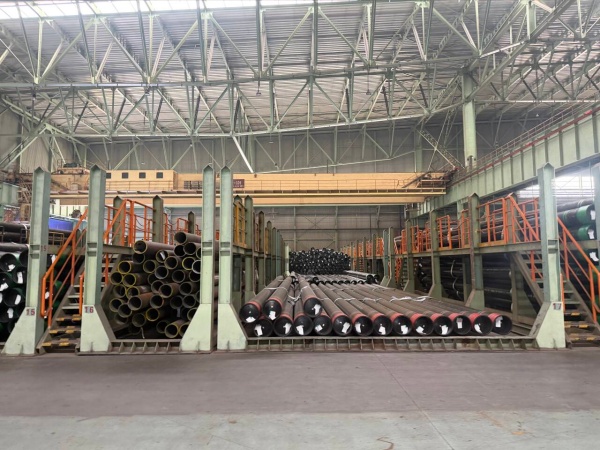
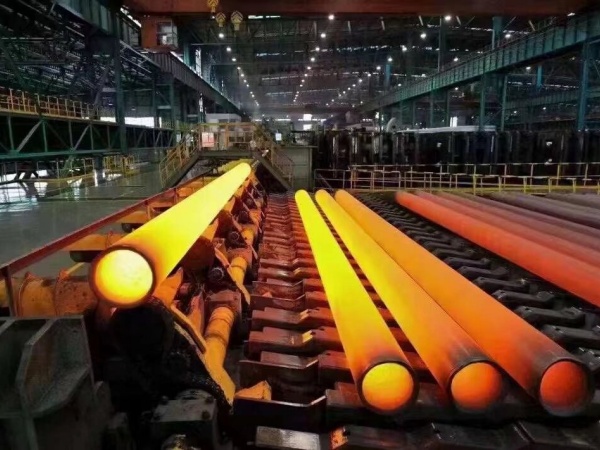
At its core, procurement comes down to whether a manufacturer can deliver fully compliant products on schedule. A reliable factory needs production lines suited to the required sizes and grades, a solid quality control system, and the experience to handle strict testing and documentation requirements.
1. Quick Checklist
Before choosing a seamless pipe manufacturer, verify:
✓ Actual manufacturing capability
✓ Required standards and grades
✓ Size and production range
✓ Quality control and testing
✓ MTC and traceability
✓ Production capacity
✓ Lead time
✓ Customization capability
✓ Export experience
✓ Inspection and documentation
2. Verify Genuine Manufacturing Capability
2.1 Equipment Matching
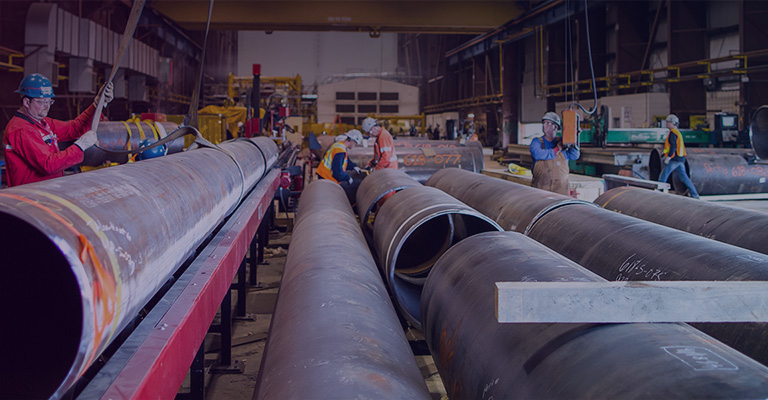
Verify that the manufacturer has the equipment required for your specified production route, including piercing, rolling, cold drawing, and heat treatment, where applicable. Check that the equipment covers your required pipe sizes and grades.
2.2 Process Control
Clarify which key operations are performed in-house and which are subcontracted. For outsourced processes or testing, identify the responsible party and confirm that the related records and certificates can be properly linked to the supplied products.
2.3 Manufacturing Scope
Confirm that your required OD, wall thickness, length, and steel grades fall within the mill's routine production range. Relevant production or inspection records can be requested when additional verification is required.
3. Check Standards and Technical Capability
3.1 Standard Compliance
Check whether the manufacturer regularly supplies seamless pipes to the standards specified in your purchase requirements, such as ASTM, ASME, API, EN, DIN, or GB/T. Confirm the relevant grade, heat treatment, testing, and supplementary requirements for the specified product.
3.2 Grade Experience
Confirm that the required steel grade is part of the manufacturer's regular production capability. For less common carbon, alloy, or stainless steel grades, ask for evidence of previous production experience, such as relevant MTCs or test records where available.
3.3 Special and Project Requirements
Disclose non-standard dimensions, tight tolerances, special testing, and third-party inspection requirements at the RFQ stage. Ask the manufacturer to state any production, inspection, or delivery limitations for these requirements in the quotation.
4. Evaluate Quality Control and Testing
4.1 Raw Material Control and Traceability
Verify that the steel billet or other raw material is traceable by Heat Number from incoming inspection through production and final testing. The heat number should remain linked to the material and finished pipe throughout the production process.
4.2 Manufacturing Process Control
Check the control of key production stages such as piercing, rolling or cold drawing, heat treatment, and sizing. Make sure these processes are covered by the manufacturer's normal production controls for the specified product.
4.3 Inspection and Testing
Verify that the manufacturer's inspection and testing scope matches the applicable product standard and purchase requirements. Check its capability for the required mechanical, hydrostatic, dimensional, and NDT testing, and request representative test records for comparable products where necessary.
5. Verify Production Capacity and Delivery Reliability
5.1 Production Capacity
Ask about the available production capacity for the specified sizes, grades, and order quantity. Confirm that the manufacturer can accommodate the required quantity within its normal production capacity.
5.2 Lead Time
Confirm the expected lead time from order confirmation to shipment, including production, heat treatment, testing, inspection, and documentation where applicable.
5.3 Production Scheduling and Repeat Supply
For large, multi-batch, or repeat orders, confirm the planned production and delivery schedule for each batch.
6. Check Export and Project Experience
6.1 Export Experience
Review the manufacturer's experience with the target market, including export documentation, shipping arrangements, packaging requirements, and country-specific purchasing procedures.
6.2 Industry and Project Experience
Consider experience with similar industries or project types, such as oil and gas, power generation, petrochemical, construction, mechanical engineering, and EPC projects.
6.3 Packaging, Marking and Shipping
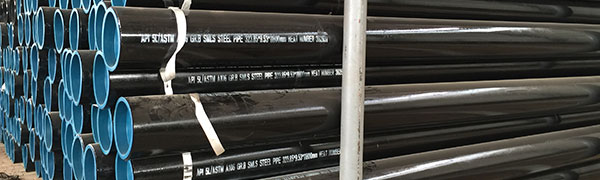
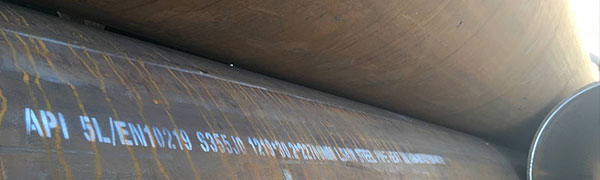
Review the manufacturer's standard export packaging, pipe marking, bundle identification, and shipping procedures. For containerized or bulk shipments, check how pipes are protected, identified, and prepared for transportation.
7. Compare Commercial Terms and Total Purchasing Cost
7.1 Pipe Price
Compare the quoted pipe price against the same size, grade, standard, quantity, and delivery terms. Make sure differences in specifications or commercial conditions are not mistaken for price advantages.
7.2 Payment and Order Terms
Review payment terms, MOQ, order quantity, delivery terms, and any conditions that may affect the final purchase cost or order flexibility.
7.3 Additional Costs
Check costs related to inspection, packaging, marking, customization, tooling, and shipping. Include these items when comparing quotations from different manufacturers.
7.4 Supply Risk
Consider the commercial impact of delays, rejected products, rework, or other supply issues when comparing quotations.
8. Conclusion
Choosing a seamless pipe manufacturer starts with verifying its manufacturing capability, applicable standards, quality control, production capacity, and delivery capability. Export experience and commercial terms also matter when comparing suppliers for an international order.
The right manufacturer should match your pipe sizes, grades, specifications, required quantity, quality requirements, and delivery schedule. Reviewing these factors before placing an order can help you select a supplier that fits the actual requirements of your project.
Related Guides
Seamless Steel Pipe
Seamless Steel Pipe Sizes / Dimensions
API 5CT Casing Pipe
Seamless Pipe Manufacturing Process
Seamless Pipe Weight



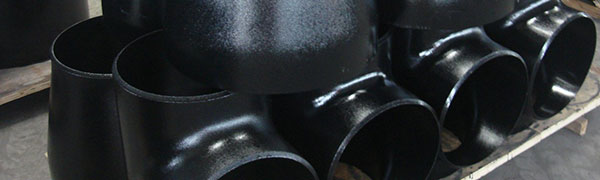
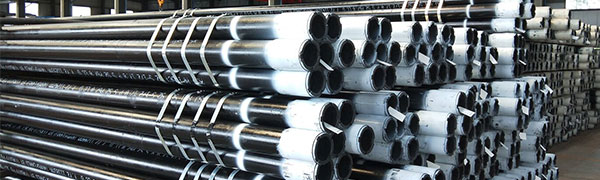
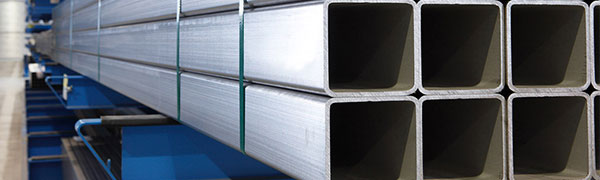
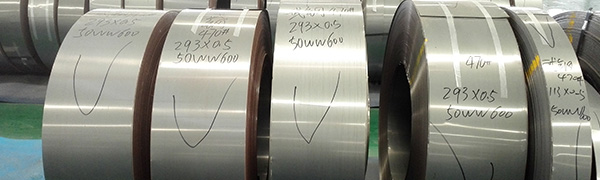


 Eastern Steel Manufacturing Co.,Ltd not only improve product production and sales services, but also provide additional value-added services. As long as you need, we can complete your specific needs together.