Among numerous performance indicators,
thermal conductivity is a key comparative parameter for the carbon
steel pipe, alloy steel pipe, and stainless
steel pipe in applications such as heat exchange, media transportation,
and energy systems. In the energy, oil and gas, industrial pipeline, and
building structure sectors, carbon steel pipes have consistently been the
mainstream choice for global engineering projects. Compared to stainless steel
and alloy steel pipes, carbon steel pipes not only have advantages in cost and
supply stability, but their thermal conductivity is also a crucial technical
indicator that is often overlooked in engineering selection.
What is Thermal Conductivity?
Thermal conductivity, denoted by the symbol λ, is an indicator that measures a material's ability
to conduct heat. It is defined as the amount of heat passing through a material
per unit thickness, unit area, and unit temperature difference.
1. SI Units of Thermal Conductivity
The SI unit for thermal conductivity is
watts per meter per Kelvin (W/m·K).
The higher the thermal conductivity, the
stronger the heat transfer capacity of the material;
The lower the thermal conductivity, the
better the heat insulation and heat preservation capacity of the material.
2. Formulas for Thermal Conductivity of
Different Metals
The formula for thermal conductivity is:
Q=-k · A · (dT/dx)
Where:
Q is the heat transferred,
k is the thermal conductivity,
A is the cross-sectional area for heat
transfer,
(dT/dx) is the temperature gradient.
Thermal Conductivity of Different Steels
Common Steel Thermal Conductivity Ranges
(Room Temperature Conditions)
|
Steel Type
|
Thermal Conductivity W/(m·K)
|
Properties
|
|
Carbon Steel
|
45 – 58
|
Good thermal conductivity, low cost
|
|
Low Alloy Steel
|
35 – 50
|
Increased strength, slightly decreased
thermal conductivity
|
|
Stainless Steel(Austenitic)
|
15 – 30
|
Low thermal conductivity, strong
corrosion resistance
|
Note:
Actual thermal conductivity is affected by
chemical composition, heat treatment state, microstructure, and temperature
changes. The above data are commonly used reference ranges in engineering.

Thermal Conductivity: Carbon Steel Pipe
vs. Other Steel Pipe
1. Thermal
Conductivity of Carbon Steel Pipe
Carbon steel contains only trace amounts of
elements besides carbon and iron. This type of steel is the most widely used,
accounting for approximately 90% of total steel production. Carbon steel pipes
have the highest thermal conductivity, averaging 45 watts per Kelvin per meter.
For steels with a carbon content exceeding
0.1% (the specific value depends on the steel thickness), their strength can be
improved through heat treatment. The most common heat treatment processes used
by manufacturers include annealing, quenching, and tempering.
The Effect of Heat Treatment on the Thermal
Conductivity of Carbon Steel
For carbon steel pipes with a carbon
content ≥0.1%, common heat treatment processes include:
Annealing: Improves microstructure
uniformity;
Normalizing: Enhances overall mechanical
properties;
Quenching & Tempering: Improves
strength and toughness.
2. Thermal Conductivity of Alloy Steel and
Tool Steel Pipes
Alloy steels contain added elements such as
nickel, copper, chromium, and/or aluminum. The addition of these metals
significantly affects the steel's strength and other important properties, such
as ductility, corrosion resistance, and machinability.
Tool steels, another major type of metal,
are ideal for manufacturing cutting and drilling equipment due to the presence
of tungsten, molybdenum, cobalt, and vanadium. The addition of these elements
significantly improves heat resistance and durability.
3. Thermal Conductivity of Stainless Steel
Pipes
Stainless steel has a thermal conductivity
as low as 15 W/(mK), which allows it to better maintain the stability of
ambient temperatures compared to other types of steel.
Due to its stability at high temperatures,
stainless steel is commonly used in food processing, ovens, and conveyor belts—applications frequently exposed to high temperatures.
FAQ
1. Why does carbon steel have higher
thermal conductivity than stainless steel?
The main reasons include:
Carbon steel has a low alloy element
content and a simple crystal structure;
it has high free electron migration
efficiency and low heat transfer resistance;
the high chromium and nickel content in
stainless steel significantly reduces its thermal conductivity.
2. How to choose the right carbon steel
pipe for thermal applications?
It is recommended to focus on:
The operating pressure and temperature
range of the carbon steel pipe; the type of medium (steam, hot water,
oil, gas);
the corresponding international standards
(ASTM / EN / API).
Whether insulation or anti-corrosion
coating is required.
3. How does temperature affect the thermal
conductivity of carbon steel pipe?
Yes.
As temperature increases, the thermal
conductivity of carbon steel generally decreases slowly.
However, under most industrial conditions (≤400°C), carbon steel pipes still maintain:
Stable thermal conductivity; predictable heat transfer behavior.
Conclusion
Carbon steel pipes have significantly
better thermal conductivity than alloy steel and stainless steel pipes. They
also offer lower raw material and processing costs, adhere to comprehensive
international standards, have stable delivery times, and are suitable for over
80% of industrial conveying systems.




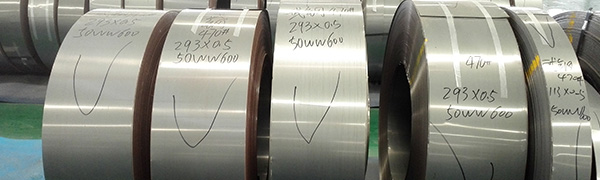
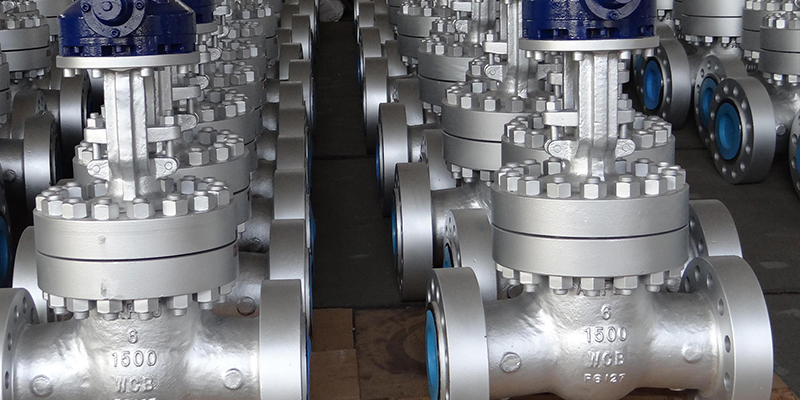
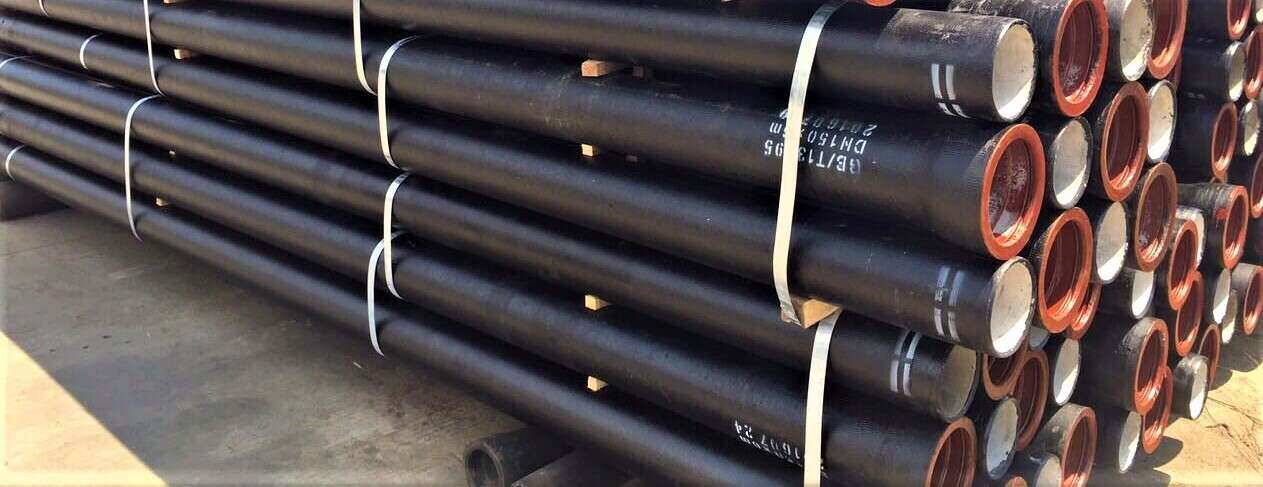


 Eastern Steel Manufacturing Co.,Ltd not only improve product production and sales services, but also provide additional value-added services. As long as you need, we can complete your specific needs together.