Carbon
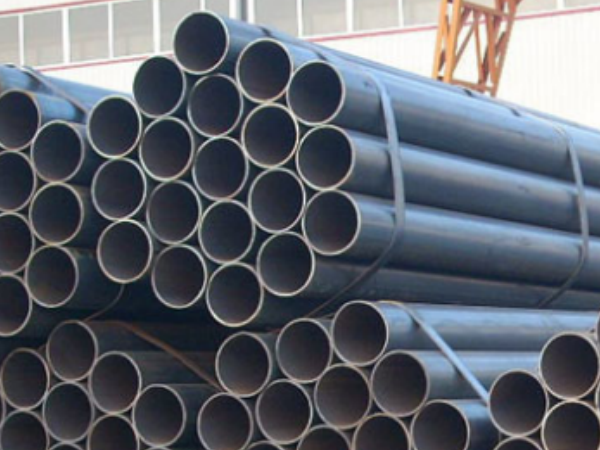
steel pipes (CS pipe full form) are metal pipes primarily composed of iron and
carbon. Their applicable temperature range is influenced by a combination of
material composition, manufacturing process, and operating environment.
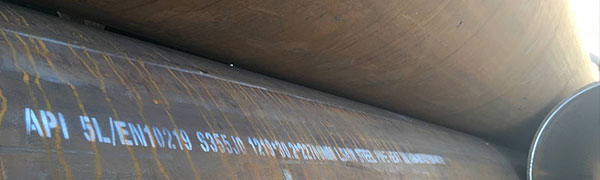
According to international standards such as ASTM A106/ASTM A53,
the typical safe operating temperature range for carbon steel pipes is -29℃ to 425℃.
Temperature Range of Carbon Steel Pipes
1. Low Temperature Limit (-29℃)
When the temperature is below -29℃, the toughness of carbon
steel decreases significantly, making it prone to brittle fracture.
Steel pipes that have passed
low-temperature impact tests (such as ASTM A333 Grade 6) must be used.
2. High Temperature Limit (425℃)
Above 425℃, the
oxidation resistance and strength of carbon steel decrease sharply, and
prolonged high temperatures may lead to creep deformation.
Chromium-molybdenum alloy steel (such as
ASTM A335 P11) must be selected for high-temperature environments.
Influence of Temperature on the
Performance of Carbon Steel Pipes
1. Changes in Mechanical Properties
High Temperature Environment: Increased
temperature reduces yield strength and tensile strength. For example, the
tensile strength of 20# carbon steel decreases by approximately 15% at 300℃.
Low-temperature environments: Low
temperatures may cause material embrittlement, requiring verification through
Charpy V-notch impact testing (e.g., ≥27J at -46℃).
2. Differences in Corrosion Resistance
High temperatures accelerate oxidation
reactions; above 425℃, surface aluminizing or
galvanizing treatment should be considered.
In low-temperature environments, condensate
may cause electrochemical corrosion, requiring enhanced insulation or coating
protection.
Temperature Requirements for Different
Application
1. Boilers and High-Pressure Steam Systems
According to ASME standards, carbon steel
pipes are allowed to briefly exceed 450℃ in
high-pressure steam systems, but the wall thickness reduction rate must be
checked periodically.
|
Application
|
Temperature (°C)
|
Material Recommendations
|
|
Conventional Steam Piping
|
≤ 425℃
|
Carbon Steel (A106)
|
|
Superheated Steam
|
425–580℃
|
Cr-Mo Alloy Steel (P11 / P22)
|
|
Supercritical Boilers
|
> 580℃
|
High Cr Alloy or Austenitic Stainless
Steel
|
2. Cryogenic Storage and Transportation
Equipment
LNG pipelines and other cryogenic scenarios
(-162°C) require austenitic stainless steel or
nickel-based alloys. Carbon steel pipes are only suitable for secondary
insulation layer support structures.
|
Temperature
|
Available Materials
|
|
-29℃ ~ -46℃
|
Low-temperature carbon steel (A333)
|
|
-46℃ ~ -196℃
|
304/316L Stainless steel, nickel-based
alloys
|
|
-162℃ LNG mainline
|
Austenitic stainless steel as the primary
material
|
Temperature Requirements for Different
Standard Carbon Steel Pipes
|
Standard
|
Type
|
Minimum Operating Temperature
|
Maximum Operating Temperature
|
Features
|
|
ASTM A53
|
Ordinary carbon steel pipe
|
-29℃
|
415–425℃
|
General piping, building applications
|
|
ASTM A106
|
High-temperature
carbon steel pipe
|
-29℃
|
425℃
|
High-temperature steam, pressure systems
|
|
ASTM A333 Gr.6
|
Low-temperature carbon steel pipe
|
-46℃
|
260℃
|
Excellent low-temperature impact
performance
|
|
ASME B31.3
|
Fluid piping specification
|
-29℃(ordinary carbon steel)
|
425℃ (ordinary
carbon steel)
|
Authoritative engineering standard
|
|
ASTM A335 P11/P22
|
Cr-Mo alloy steel
|
-
|
540℃
|
High temperature and high pressure conditions
|
Use of Carbon Steel Pipes in Extreme
Temperatures
1. Temperature ≥ 400℃
P11 or P22 alloy steel is strongly
recommended. Wall thickness needs to be increased or stress value reduced.
2. Temperature ≤ -29℃
Ordinary carbon steel is prohibited.
Replace with low-temperature grade carbon steel A333.
3. Frequent Temperature Fluctuations
Prone to thermal fatigue cracks; higher
toughness materials should be selected. Corrosion + high temperature
coexistence: A coating + alloy steel combination design can be used.
FAQ
1. What is the Maximum Temperature That
Carbon Steel Pipes Can Withstand?
Maximum long-term operating temperature of
ordinary carbon steel: 425℃. Short-term not exceeding:
450℃ (meets ASME requirements).
2. Can Carbon Steel Pipes Be Used for LNG (-162℃)?
No.
Austenitic stainless steel must be used for
LNG main lines; carbon steel can only be used in auxiliary structures.
Read more: High-Temperature Carbon Steel Pipe Models or Key Points for Welding Low Temperature Carbon Steel Pipes



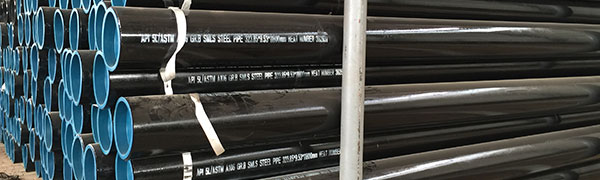


 Eastern Steel Manufacturing Co.,Ltd not only improve product production and sales services, but also provide additional value-added services. As long as you need, we can complete your specific needs together.