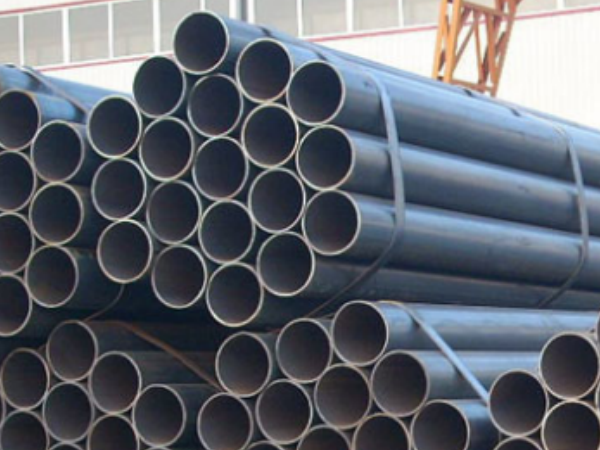
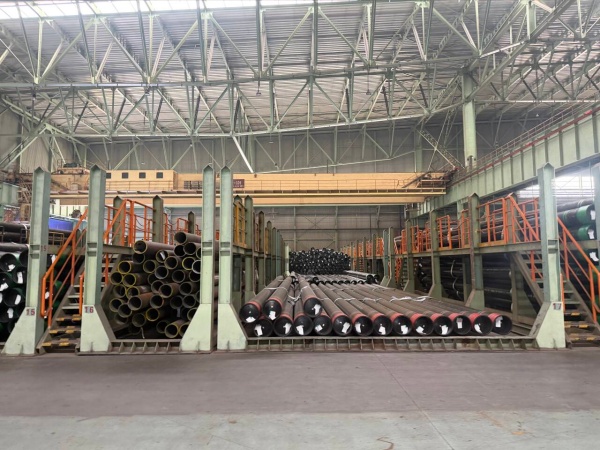
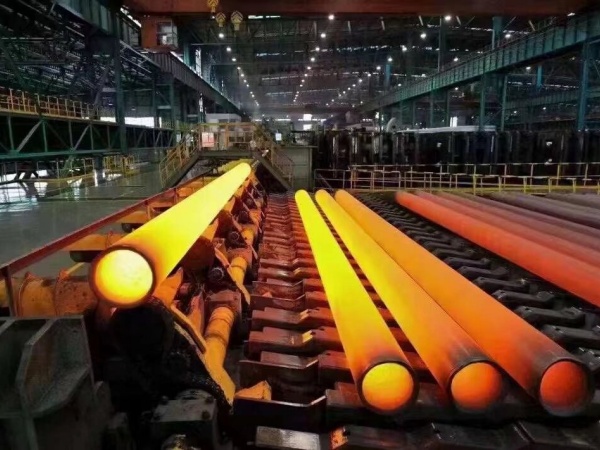
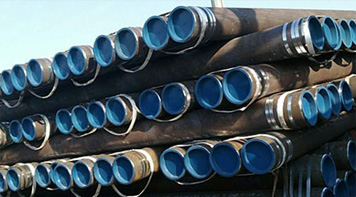
Oil casing is manufactured in standardized sizes specified by API 5CT. Each casing size is defined by its outside diameter, wall thickness, nominal weight, thread connection, and steel grade. These specifications determine compatibility with drilling equipment, burst strength, collapse resistance, and running clearance.
1. Quick Reference
|
Specification
|
Description
|
|
Standard
|
API 5CT
|
|
Outside Diameter (OD)
|
4-1/2"–20" (114.3–508 mm)
|
|
Steel Grades
|
J55, K55, N80, L80, P110, Q125
|
|
Thread Types
|
STC, LTC, BTC
|
|
Length Range
|
R1, R2, R3
|
|
Primary Selection Factors
|
Size, wall thickness, grade, connection
|
2. API 5CT Oil Casing Dimensions Chart
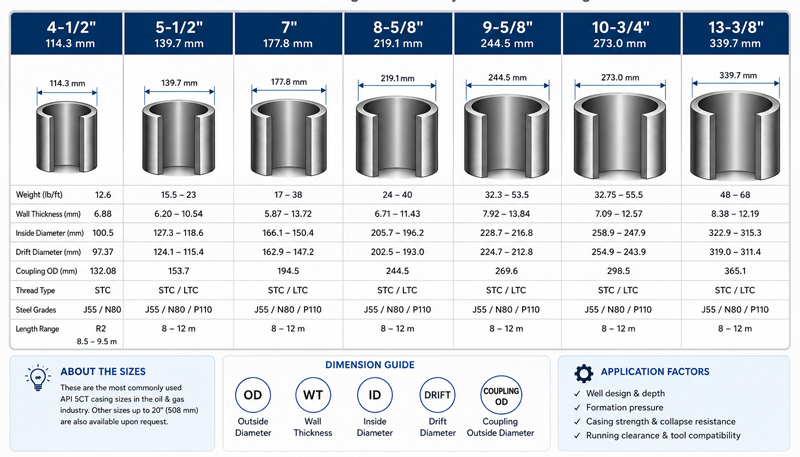
The table below summarizes the standard API 5CT casing dimensions, including outside diameter, available weight, wall thickness, inside diameter, drift diameter, coupling size, thread type, steel grades, and standard length.
|
Nominal Size
|
Available Weight (lb/ft)
|
Wall Thickness (mm)
|
ID (mm)
|
Drift (mm)
|
Coupling OD (mm)
|
Thread
|
Steel Grade
|
Length
|
|
4-1/2"
|
12.6
|
6.88
|
100.5
|
97.37
|
132.08
|
STC
|
J55 / N80
|
R2
|
|
5-1/2"
|
15.5–23
|
6.20–10.54
|
127.3–118.6
|
124.1–115.4
|
153.7
|
STC / LTC
|
J55 / N80 / P110
|
8–12 m
|
|
7"
|
17–38
|
5.87–13.72
|
166.1–150.4
|
162.9–147.2
|
194.5
|
STC / LTC
|
J55 / N80 / P110
|
8–12 m
|
|
8-5/8"
|
24–40
|
6.71–11.43
|
205.7–196.2
|
202.5–193.0
|
244.5
|
STC / LTC
|
J55 / N80 / P110
|
8–12 m
|
|
9-5/8"
|
32.3–53.5
|
7.92–13.84
|
228.7–216.8
|
224.7–212.8
|
269.6
|
STC / LTC
|
J55 / N80 / P110
|
8–12 m
|
|
10-3/4"
|
32.75–55.5
|
7.09–12.57
|
258.9–247.9
|
254.9–243.9
|
298.5
|
STC / LTC
|
J55 / N80 / P110
|
8–12 m
|
|
13-3/8"
|
48–68
|
8.38–12.19
|
322.9–315.3
|
319.0–311.4
|
365.1
|
STC / LTC
|
J55 / N80 / P110
|
8–12 m
|
3. FAQS
Q1. What is the most common API 5CT casing size?
The most commonly used API 5CT casing sizes include 4-1/2", 5-1/2", 7", 9-5/8", 10-3/4", and 13-3/8". The appropriate size depends on well design, drilling depth, and the function of the casing string.
Q2. How is casing size measured?
API 5CT casing is primarily identified by its outside diameter (OD) and nominal weight. Wall thickness, ins
Q3. What is the difference between inside diameter and drift diameter?
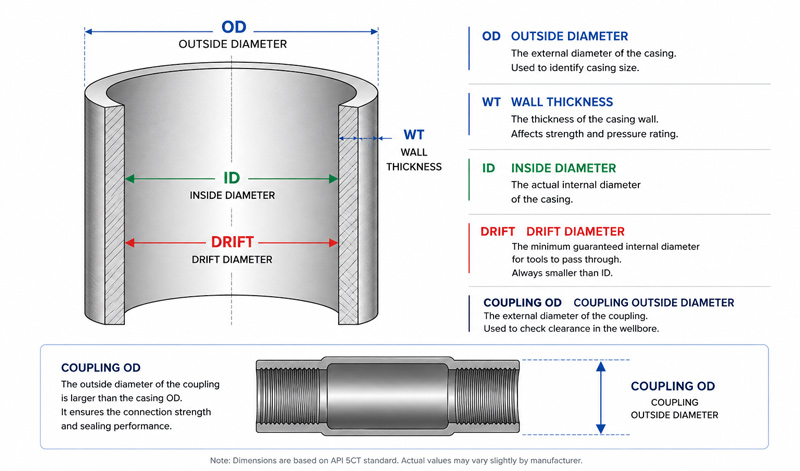
Inside diameter (ID) is the actual internal diameter of the casing, while drift diameter is the minimum guaranteed opening that allows standard drilling and completion tools to pass through the pipe.
Q4. What are API casing length ranges?
API 5CT defines three standard casing length ranges:
- Range 1 (R1): 4.88–7.62 m (16–25 ft)
- Range 2 (R2): 7.62–10.36 m (25–34 ft)
- Range 3 (R3): Over 10.36 m (Over 34 ft)
Range 2 is the most commonly supplied length for standard oilfield casing.
Q5. Does a higher casing weight mean a thicker wall?
Yes. For the same outside diameter, a higher nominal weight generally corresponds to a thicker wall. Increased wall thickness improves burst strength and collapse resistance wh
Q6. Are all API 5CT casing sizes available in every steel grade?
No. Available steel grades depend on the casing size and manufacturer. Common grades include J55, K55, N80, L80, and P110, but not every size is produced in every grade.



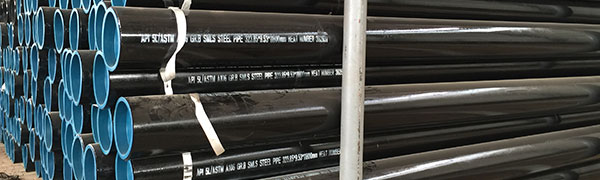
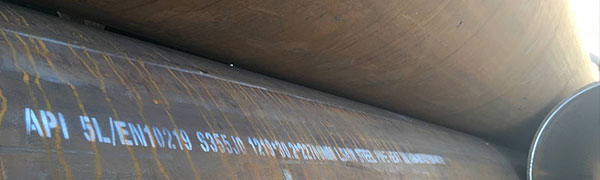
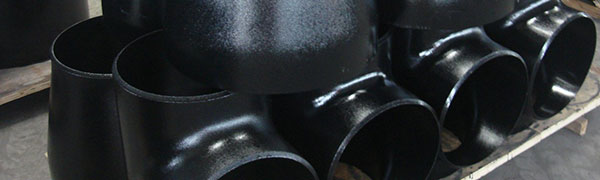
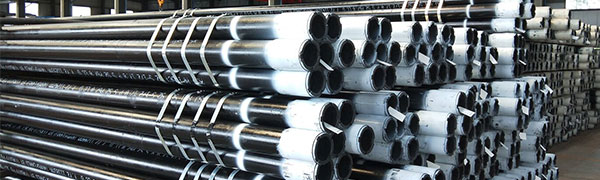
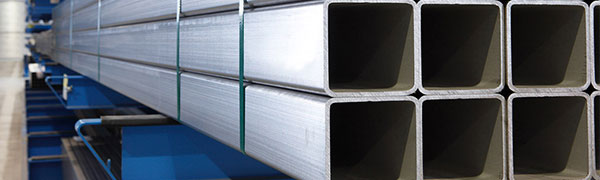
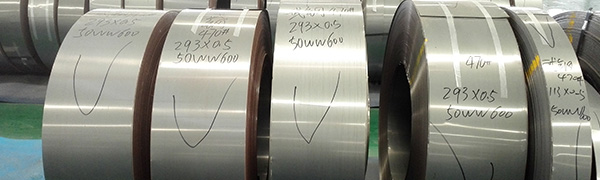
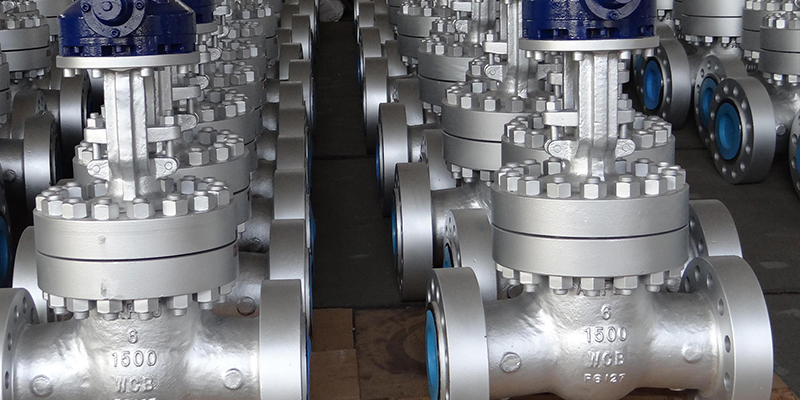
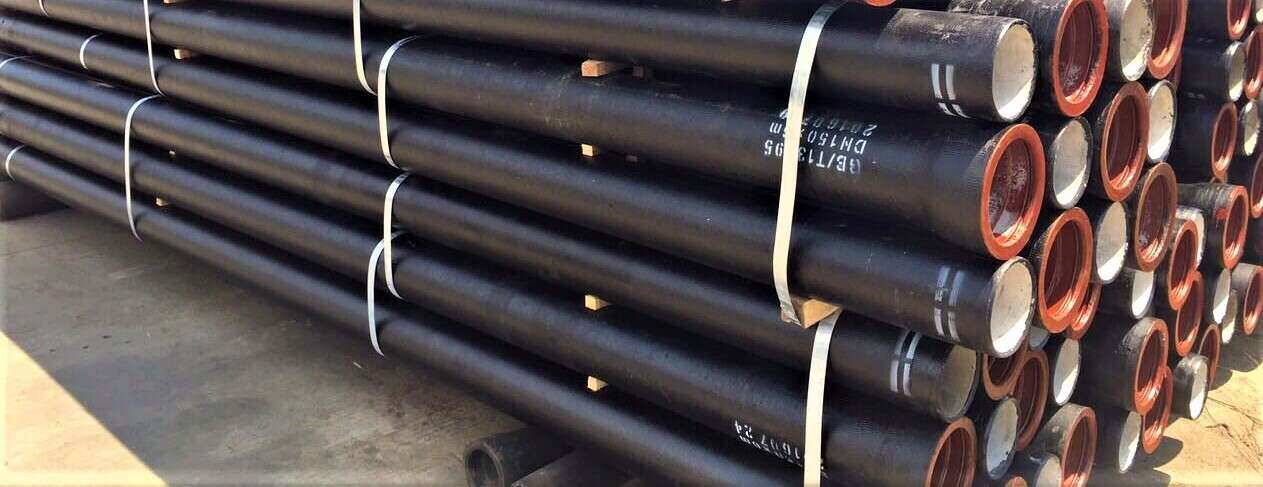


 Eastern Steel Manufacturing Co.,Ltd not only improve product production and sales services, but also provide additional value-added services. As long as you need, we can complete your specific needs together.