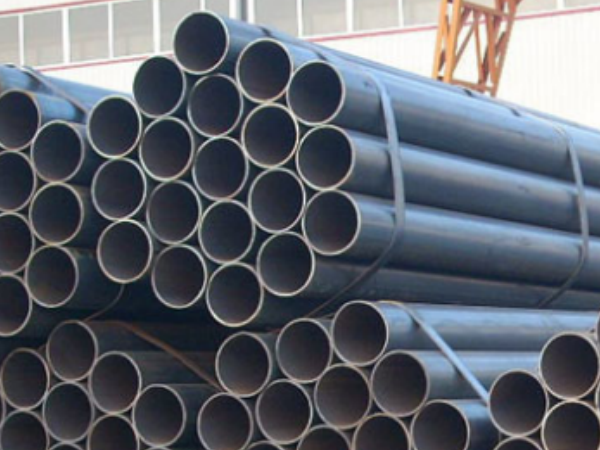
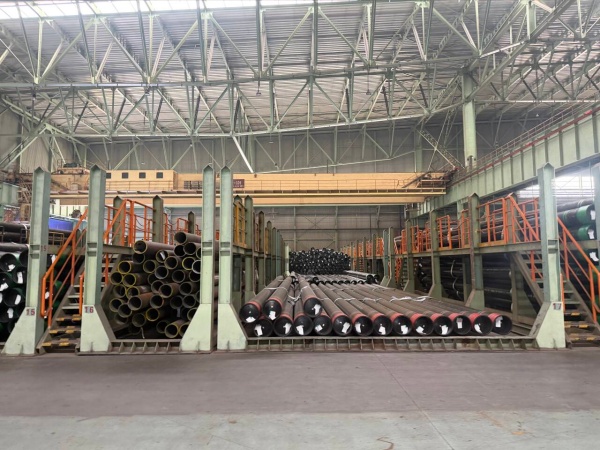
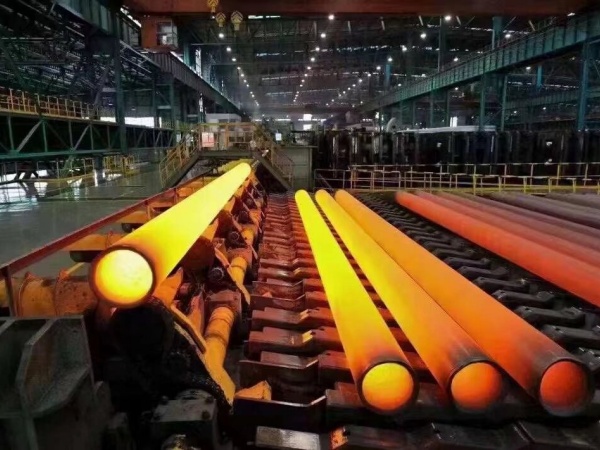
EN 10216-2 is a standard for seamless
steel tubes used in specific high-temperature applications, such as seamless boiler
tube and power plant tube. It covers the following steel grades:
P195GH, P235GH, P265GH, 16Mo3, 14MoV6-3, 13CrMo4-5, and 10CrMo9-10, including
both non-alloy and alloy steels. EN 10216-2 specifies the technical delivery
conditions for seamless steel tubes with circular cross-sections in two test
categories. EN 10216-2 seamless boiler tubes fully comply with PED 2014/68/EU
and are the mainstream designated material standard for boiler projects and
power plant EPC projects exported to the EU.
Dimensions of EN 10216-2
Outer diameter: 10.2mm-720mm;
Wall thickness: 1.2mm~12mm;
Length: 5-12m or as per customer
requirements;
Steel grades: P195GH, P235GH, P265GH,
16Mo3, 14MoV6-3, 13CrMo4-5, 10CrMo9-10.
EN 10216-2 Chemical Composition
|
Steel grades
|
EN10216-2 CHEMICAL COMPOSITION (LADLE
ANALYSIS)
|
|
C% max
|
Si% max
|
Mn% max
|
P% max
|
S% max
|
Cr% max
|
Mo% max
|
Ni% max
|
Al.cał% min
|
Cu% max
|
Nb% max
|
Ti% max
|
V% max
|
Cr+ Cu+ Mo+ Ni% MAX
|
|
P195GH
|
0.13
|
0.35
|
0.70
|
0.025
|
0.020
|
0.30
|
0.08
|
0.30
|
≥ 0.020
|
0.30
|
0.010
|
0.040
|
0.02
|
0.70
|
|
P235GH
|
0.16
|
0.35
|
1,20
|
0.025
|
0.020
|
0.30
|
0.08
|
0.30
|
≥ 0.020
|
0.30
|
0.010
|
0.040
|
0.02
|
0.70
|
|
P265GH
|
0.20
|
0.40
|
1,40
|
0.025
|
0.020
|
0.30
|
0.08
|
0.30
|
≥ 0.020
|
0.30
|
0.010
|
0.040
|
0.02
|
0.70
|
|
16Mo3
|
0.12- 0.20
|
0.35
|
0.40- 0.70
|
0.025
|
0.020
|
0.30
|
0.25- 0.35
|
0.30
|
≥ 0.020
|
0.30
|
-
|
-
|
-
|
-
|
|
14MoV6-3
|
0.10- 0.15
|
0.15- 0.35
|
0.40- 0.70
|
0.025
|
0.020
|
0.30- 0.60
|
0.50- 0.70
|
0.30
|
≥ 0.020
|
0.30
|
-
|
0.22-0.28
|
-
|
-
|
|
13CrMo4-5
|
0.15
|
0.50- 1,00
|
0.30- 0.60
|
0.025
|
0.020
|
1,00- 1,50
|
0.45- 0.65
|
0.30
|
≥ 0.020
|
0.30
|
-
|
-
|
-
|
-
|
|
10CrMo9-10
|
0.10- 0.17
|
0.35
|
0.40- 0.70
|
0.025
|
0.020
|
0.70- 1,15
|
0.40- 0.60
|
0.30
|
≥ 0.020
|
0.30
|
-
|
-
|
-
|
-
|
EN 10216-2 Mechanical Property
|
EN 10216-2 Mechanical properties
|
|
Steel grades
|
Mechanical properties during tensile
testing in room temperature
|
Resilience
|
|
Upper yield limit or yield strength Re
or R0.2 for wall thickness of t min
|
Tensile strength Rm
|
Elongation A min%
|
Minimum energy average absorbed KVJ at
the temperature of 0°C
|
|
T≤16
|
16
|
40
|
60
|
I
|
T
|
|
MPa
|
MPa
|
MPa
|
MPa
|
MPa
|
I
|
t
|
20
|
0
|
-10
|
20
|
0
|
|
P195GH
|
195
|
-
|
-
|
-
|
320- 440
|
27
|
25
|
-
|
40
|
28
|
-
|
27
|
|
P235GH
|
235
|
225
|
215
|
-
|
360- 500
|
25
|
23
|
-
|
40
|
28
|
-
|
27
|
|
P265GH
|
265
|
255
|
245
|
-
|
410- 570
|
23
|
21
|
-
|
40
|
28
|
-
|
27
|
|
16Mo3
|
280
|
270
|
260
|
-
|
450- 600
|
22
|
20
|
40
|
-
|
-
|
27
|
-
|
|
14MoV6-3
|
320
|
320
|
310
|
-
|
460- 610
|
20
|
18
|
40
|
-
|
-
|
27
|
-
|
|
13CrMo4-5
|
290
|
290
|
280
|
-
|
440- 590
|
22
|
20
|
40
|
-
|
-
|
27
|
-
|
|
10CrMo9-10
|
280
|
280
|
270
|
-
|
480- 630
|
22
|
20
|
40
|
-
|
-
|
27
|
-
|
EN10216-2 Seamless Boiler Tube: Dimensional
Tolerances
|
EN 10216-2 Outside diameter and wall
thickness tolerances
|
|
Outside diameter D mm
|
Permissible deviations of outside
diameter D
|
Permissible deviations of wall
thickness t depending on the T/D ratio
|
|
≤0.025
|
>0.025
≤0.050
|
>0.050
≤0.10
|
>0.10
|
|
D≤219,1
|
+\- 1% or =\- 0.5mm depending on which is
greater
|
+\- 12,5% or 0.4 mm depending on which is
greater
|
|
D>219,1
|
=\- 20%
|
=\- 15%
|
=\- 12,5%
|
=\- 10%
|
|
For the outside diameter of D≥355,6 mm,
local deviation outside of the upper deviation limit by further 5% of the
wall thickness T is permitted
|
|
EN 10216-2 Inside diameter and wall
thickness tolerances
|
|
Permissible deviations of inside
diameter
|
Permissible T deviations depending on
the T/d ratio
|
|
d
|
dmin
|
<\-0.03
|
>0.03
≤0.06
|
>0.06
≤0.12
|
>0.12
|
|
+\- 1% or +\- 2mm depending on which is
greater
|
+2% +4mm
depending on which is greater
|
+\-20%
|
+\-15%
|
+\-12,5%
|
+\-10%
|
|
For the outside diameter of D≥355,6 mm,
local deviation outside of the upper deviation limit by further 5% of the
wall thickness T is permitted
|
EN 10216-2 Equivalent Steel Standard
|
Steel Grade
|
Steel Standard
|
Steel Grade
|
Steel Standard
|
Steel Grade
|
|
P235GH
|
DIN 17175
|
St 35.8
|
|
|
|
P265GH
|
DIN 17175
|
St 45.8
|
|
|
|
16Mo3
|
DIN 17175
|
15Mo3
|
|
|
|
10CrMo55
|
|
15Mo3
|
BS 3606
|
621
|
|
13CrMo45
|
DIN 17175
|
|
BS 3606
|
620
|
|
10CrMo910
|
DIN 17175
|
13CrMo44
|
BS 3606
|
622
|
|
25CrMo4
|
|
10CrMo910
|
|
|
|
P355N
|
DIN 17179
|
StE 355
|
|
|
|
P355NH
|
DIN 17179
|
TStE 355
|
|
|
|
P355NL1
|
DIN 17179
|
WStE 460
|
|
|
|
P460N
|
DIN 17179
|
TStE 460
|
|
|
|
P460NH
|
DIN 17179
|
WStE 460
|
|
|
|
P460NL1
|
DIN 17179
|
TStE 460
|
|
|
EN 10216-2 VS. ASTM A106 VS. ASTM A335
EN 10216-2 is a direct European equivalent
to other well-known pressure tube standards:
1. EN 10216-2
Region: European Union
Process: Seamless
Service: Pressure, Elevated Temp
Common Grades: P235GH, P265GH, 16Mo3
Key Difference: Comprehensive elevated temp
data, PED compliance.
2. ASTM A106
Region: USA / International
Process: Seamless
Service: Pressure, Elevated Temp
Common Grades: Grade A, B, C
Key Difference: Focuses on room temp and
basic elevated temp props. Specifically
for ferritic alloy steels for high-temp.
3. ASTM A335
Region: USA / International
Process: Seamless
Service: High-Temperature Service
Common Grades: P5, P9, P11, P22, P91
Key Difference: Specifically for ferritic
alloy steels for high-temp.
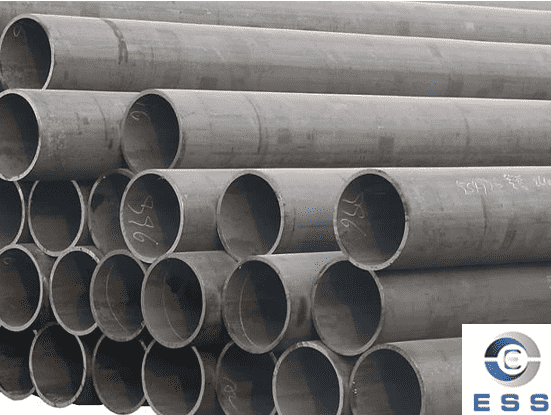
Delivery Condition & Processing
Capabilities
1. Delivery Condition
Hot-rolled;
Cold-drawn;
Normalized or normalized + tempered (for
TC2).
2. End Finishing
Plain end;
Bevel end;
Threaded connection (with socket or cap).
3. Optional Testing
Hydrostatic test;
Eddy current test (ECT);
Ultrasonic test (UT);
Infrared or magnetic particle test (as per
project requirements).
4. Surface Treatment
Rust-preventive oil;
Black paint / Color paint;
Anti-corrosion coating (temporary or export
grade).
Applications of EN 10216-2 Seamless
Boiler Tube
EN 10216-2 seamless boiler tubes are widely
used in:
Thermal power plant boilers
Residual heat boilers (HRSG)
Superheater and reheater tubes
High-temperature steam transmission
pipelines
High-temperature heat exchangers
These devices typically operate in
high-temperature environments of 400–580°C for extended periods.
FAQ
1. Why is 16Mo3 suitable for seamless
boiler tubes?
16Mo3 contains a suitable amount of
molybdenum (Mo), which, compared to ordinary carbon steel:
More stable high-temperature strength
Better creep resistance
Stronger resistance to hydrogen corrosion
Therefore, it is very suitable for boiler
piping systems operating at temperatures above 450°C
for extended periods.
2. What are TC1 and TC2 in EN 10216-2?
TC1: Basic inspection level
TC2: Enhanced inspection level
(recommended)
TC2 requires: more stringent chemical and
mechanical testing, impact testing, and a complete MTC 3.1 document. Most
boiler and power plant EPC projects specify TC2.



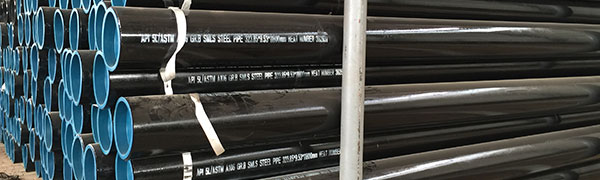


 Eastern Steel Manufacturing Co.,Ltd not only improve product production and sales services, but also provide additional value-added services. As long as you need, we can complete your specific needs together.