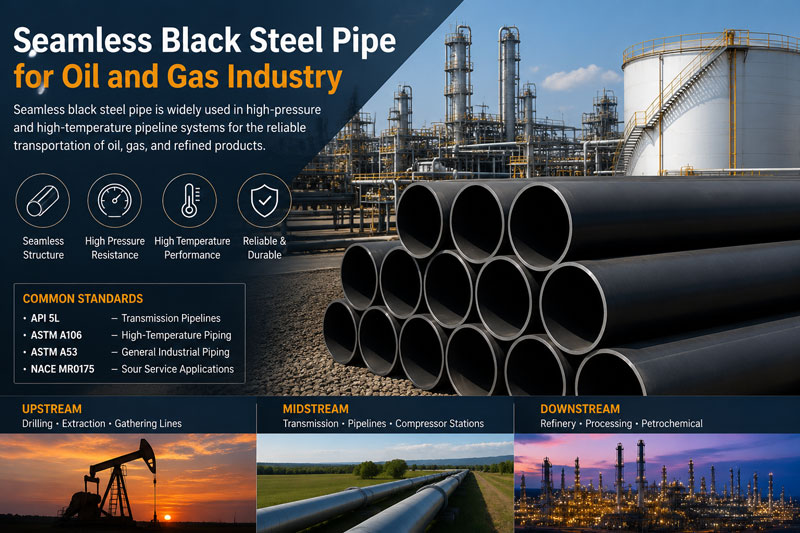
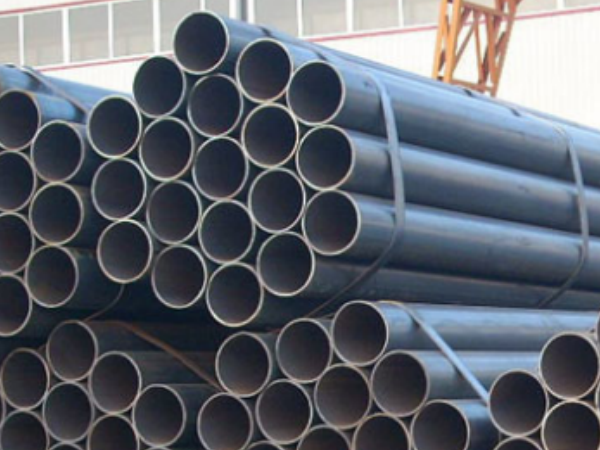
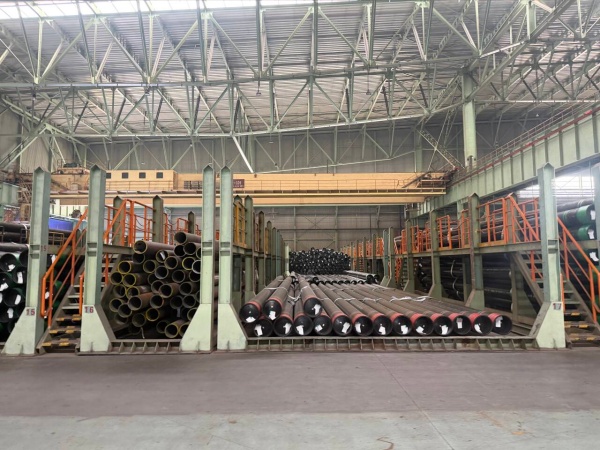
Seamless black steel pipe for oil and gas applications is widely used in high-pressure and high-temperature pipeline systems.
Because it is manufactured without a longitudinal weld seam, it provides strong structural integrity and reliable pressure performance in transmission pipelines, refinery systems, drilling operations, and high-pressure process piping.
This article explains its key advantages, operating environments, and applications across upstream, midstream, and downstream sectors.
1. Why Seamless Pipe Is Used in Oil and Gas Systems
1.1 Continuous Pipe Structure
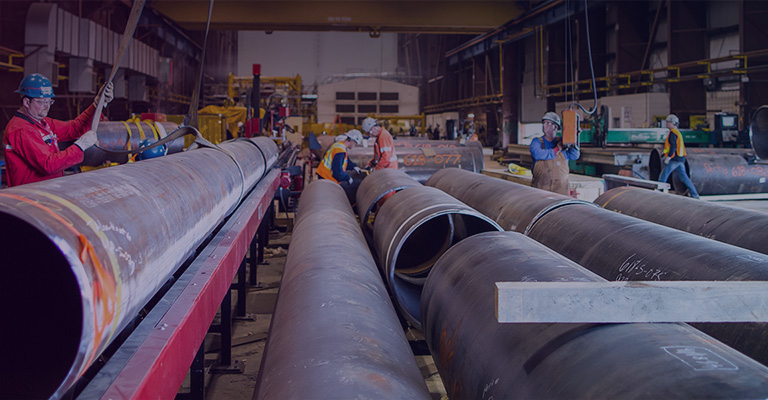
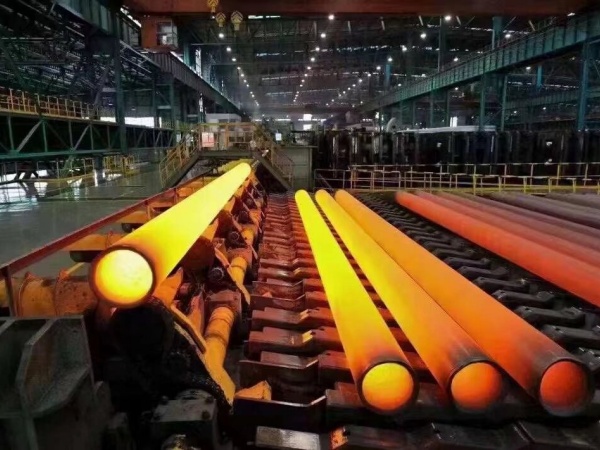
Unlike welded tubing, seamless steel pipe is produced from solid billets without a longitudinal joint. This continuous structure helps minimize potential stress concentration areas in demanding pipeline applications.
1.2 Suitable for High-Pressure Service
Oil and gas high-pressure pipeline systems require materials with stable mechanical strength under fluctuating internal pressure. Seamless piping is commonly selected for its stable load-bearing performance in transmission and processing lines.
1.3 Stable Performance at Elevated Temperature
Refineries, steam lines, and hydrocarbon processing units expose piping systems to continuous heat and thermal expansion. Carbon steel seamless tubing maintains mechanical stability under these operating conditions.
1.4 Dependable for Long-Term Industrial Operation
Energy facilities often run continuously for extended periods with limited maintenance shutdowns. Seamless pipeline materials are widely used in systems requiring consistent operational reliability and reduced service interruption risk.
2. Common Applications in Oil and Gas Industry
2.1 Upstream Drilling and Extraction Systems
In upstream operations, seamless black steel pipe is commonly used in drilling fluid circulation systems, wellhead connections, gathering lines, and oilfield process piping.
These systems are exposed to vibration, abrasive materials, and fluctuating operating pressure during drilling and extraction activities. Protective coatings may also be added for outdoor and corrosive field environments.
2.2 Midstream Transmission Pipelines
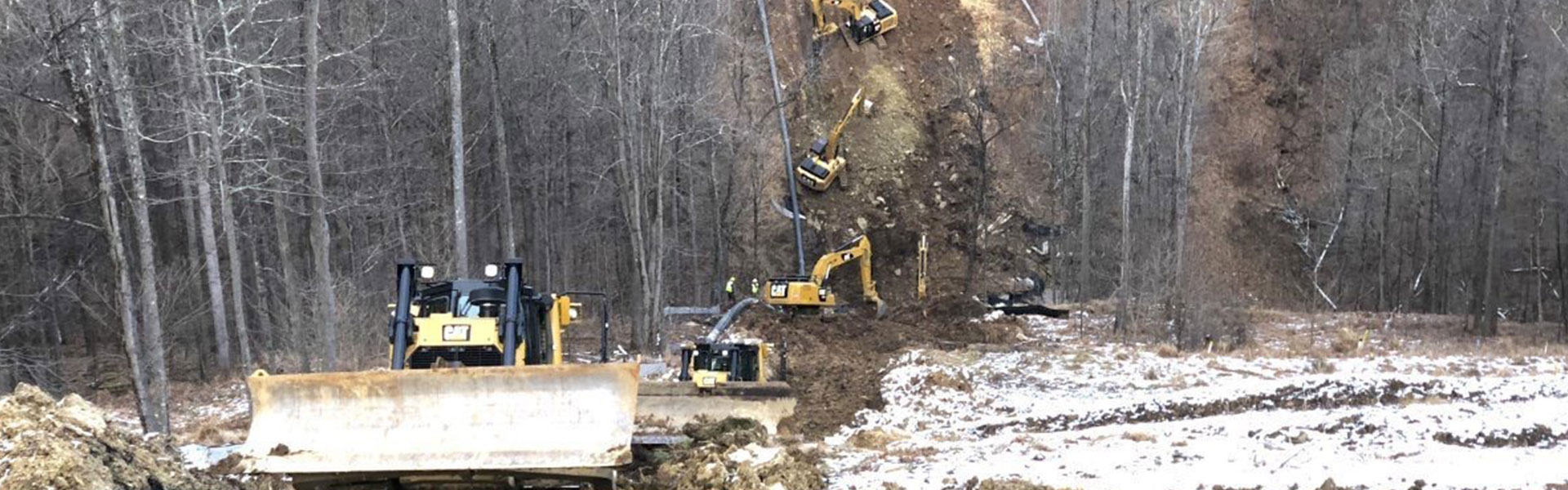
Midstream infrastructure transports crude oil and natural gas between production sites, storage terminals, and processing facilities.
Seamless pipe is widely used in long-distance transmission lines, compressor stations, and cross-country pipeline systems where stable flow performance and pressure containment are important.
For buried or offshore pipelines, external protection systems such as FBE or 3PE coating are commonly applied to improve corrosion resistance.
2.3 Downstream Refinery and Processing Facilities
Seamless steel pipe is widely used in refinery piping systems including process units, steam lines, and hydrocarbon transfer systems.Typical applications include hydrocarbon transfer piping, heat exchanger connections, utility systems, and high-temperature process lines operating inside continuous production facilities.
3. Common Standards for Oil and Gas Seamless Pipe
Oil and gas piping systems are typically manufactured according to industry standards based on operating pressure, temperature, and transportation requirements.
|
Standard
|
Typical Application
|
|
API 5L
|
Oil and gas transmission pipelines
|
|
ASTM A106
|
High-temperature process piping
|
|
ASTM A53
|
General industrial and utility piping
|
|
NACE MR0175
|
Sour service and corrosive environments
|
API 5L seamless pipe is widely used in transmission infrastructure for crude oil and natural gas transportation, while ASTM A106 is commonly applied in refinery and high-temperature processing systems.
Material grade selection depends on factors such as operating pressure, service temperature, transported media, and corrosion requirements.
4. Seamless vs Welded Pipe in Oil and Gas Applications
Both seamless steel pipe and welded steel pipe are used in oil and gas systems, but their applications differ based on pressure level, operating conditions, and project requirements.
|
Factor
|
Seamless Pipe
|
Welded Pipe
|
|
Pipe Structure
|
No weld seam
|
Welded joint present
|
|
High-Pressure Service
|
More suitable
|
More limited
|
|
High-Temperature Systems
|
Commonly used
|
Depends on application
|
|
Cost
|
Higher
|
Lower
|
For a more detailed comparison of manufacturing methods, performance differences, and application selection, see our full guide on seamless pipe vs welded pipe.
5. Corrosion Protection for Oil and Gas Pipelines
For oil and gas applications, external corrosion protection is often added to seamless black steel pipe used in transmission and processing systems.
Common protection methods include FBE (Fusion Bonded Epoxy) coating for buried pipelines requiring strong adhesion and corrosion resistance, while 3PE and 3LPE coating systems are widely used in offshore and long-distance pipeline projects where additional mechanical protection is needed.
In some applications, internal epoxy lining may also be used to improve corrosion resistance when transporting condensate, chemical fluids, or corrosive gas media. The final coating selection usually depends on the operating environment, transported media, installation conditions, and expected service life.
6. How to Choose the Right Seamless Pipe Supplier
Engineering specifications, certification requirements, and manufacturing capability are also important considerations during supplier evaluation.
Key factors commonly reviewed include:
- API and ASTM compliance
- Mill test certificate (MTC) availability
- Dimensional tolerance control
- Coating and anti-corrosion capability
- Export and project supply experience
Suppliers serving oil and gas applications are typically expected to provide stable production quality, material traceability, and documentation support for industrial projects.
Supplier qualification is critical in oil and gas projects, as it directly affects pipeline safety, installation efficiency, and long-term operational reliability.
Read more:What is black steel pipe and Black Steel Pipes: Advantages, Limitations, and Practical Guide



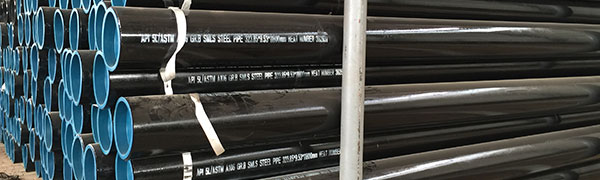


 Eastern Steel Manufacturing Co.,Ltd not only improve product production and sales services, but also provide additional value-added services. As long as you need, we can complete your specific needs together.