With the introduction of new materials, the
construction industry has undergone a revolutionary change, making construction
processes faster, more efficient, and more economical. In recent years,
square tube (SHS steel) has become increasingly popular. It is versatile and durable,
offering numerous benefits for construction projects of all sizes.
In this article, we will explore the
benefits of using square tube in construction and why it is becoming an
increasingly popular choice for builders and contractors.
Square Tubes for Construction
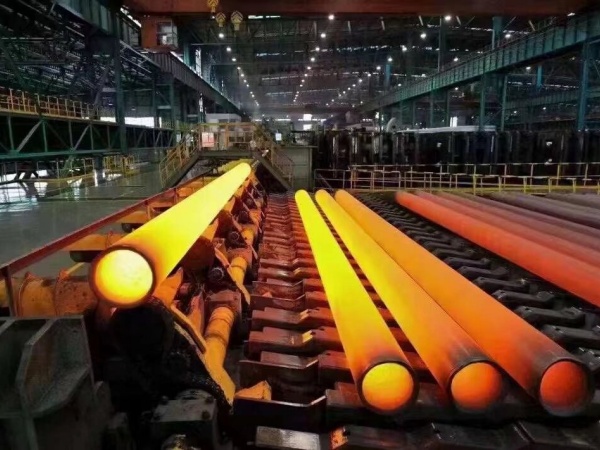
Square tube is a hollow steel material with
a square cross-section, processed from steel strip through cold bending,
welding, or hot rolling. It features high load-bearing capacity, structural
stability, and a neat and aesthetically pleasing appearance. It can be used as
a load-bearing component or as a decorative material.
Square tube is a versatile material
suitable for various construction applications, including:
Building framing and support structures;
Fences and safety barriers;
Shelving systems;
Furniture and decorative features;
Agricultural and industrial machinery;
Automotive and transportation equipment.
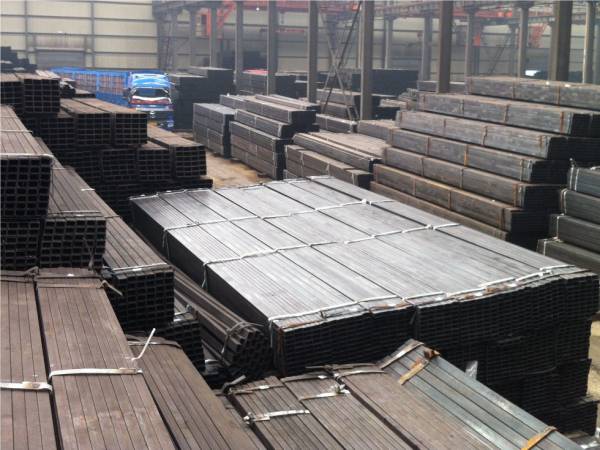
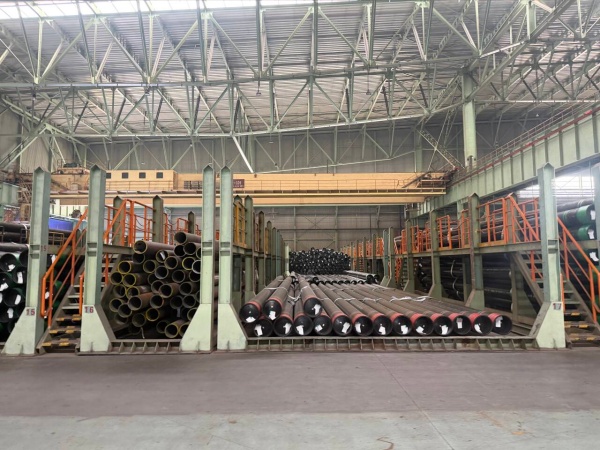
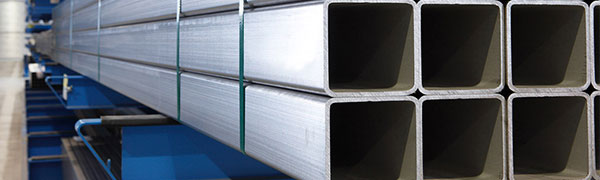
Square tubes ready for loading in warehouse
Advantages of Using Square Tubes in
Construction
1. Strength and Durability
One of the main advantages of square tube
in construction is its strength and durability. Square tube is made from
high-quality steel (such as Q235, Q355, S275, S355, etc.), a steel renowned for
its strength and toughness.
Its square cross-section structure allows
for:
Good bending resistance and torsional
strength higher than round tube and rectangular
tube
Even stress distribution, enabling it to
bear more loads;
High stability, suitable for frame
structures.
Square tube has good weather resistance;
with galvanizing or powder coating, it can maintain a service life of 20–50 years in outdoor environments, suitable for:
Bridge railings;
Industrial plant structures;
Outdoor awnings;
Parking lot frames.
2. Versatility
Another advantage of square tube in
construction is its versatility. Square tube can be used for a variety of
purposes, from building frames and supporting structures to making furniture
and decorative elements.
Square tube can be cut, drilled, welded,
punched, and bent according to different project requirements; Adapted to
different sizes and structural designs; Suitable for light-duty structures to
heavy-duty industrial structures.
3. Economic and Efficient
High material utilization per unit weight
(hollow structure yet high strength); convenient transportation (stackable);
can replace some solid steel, reducing structural weight; fast on-site
processing speed, saving labor costs.
4. Sustainability
Sustainability is becoming increasingly
important in the construction industry, and square tube offers numerous
sustainability advantages. Made of steel, a highly recyclable material, square
tube means it can be recycled at the end of its lifespan, reducing waste and
protecting natural resources.
5. Aesthetics
Square tube also brings aesthetic
advantages to building projects. Its square shape creates a clean, modern look,
making it ideal for contemporary designs.
It can also be painted or coated to match
any color or style, allowing builders and contractors to customize the
appearance of their projects.
Different Sizes Square Tubes in
Construction
1. 1×1 Square
Tubing (25×25 mm)
1-inch square tubing, also known as 1×1 square tube or 1-inch square tube, is a popular choice for many
projects.
Features: Lightweight and easy to process.
Typical Applications: Furniture framing;
light-duty fencing; DIY projects; decorative support structures.
2. 2×2 Square Tube
(50×50 mm)
For projects requiring stronger support, 2×2-inch tubing is an excellent choice. It offers greater strength and
durability compared to 1-inch tubing.
Features: Significantly increased strength,
suitable for structural support.
Typical Applications: Medium-duty framing
structures; stair railings; fence railings; scaffolding main frames.
3. 3×3 Square Tube
(75×75 mm or 100×100 mm)
For more demanding applications, 3×3 tubing offers maximum strength and stability.
Features: Suitable for heavy-duty
structures, high load-bearing capacity.
Typical Applications: Industrial plant
columns; heavy-duty steel structures; carport main beams; large billboard
support.
Comparison of Commonly Used Square
Tube Materials
|
Material
|
Yield Strength (MPa)
|
Tensile Strength (MPa)
|
Applicable Environment
|
Application Industry
|
|
Q235
|
235
|
375–460
|
Conventional Environment
|
Buildings, Light Structures
|
|
Q355
|
355
|
450–630
|
Medium Strength Conditions
|
Factory Buildings, Steel Structure
Projects
|
|
S275
|
275
|
430–580
|
European Standard Buildings
|
Building Frames
|
|
S355
|
355
|
490–630
|
High Strength Requirements
|
Bridges, Industrial Structures
|
FAQ
1. Which is stronger, square tube (SHS) or
rectangular tube (RHS)?
Generally speaking, rectangular tube (RHS)
has stronger bending resistance in a certain direction because its high
cross-section results in a higher bending modulus;
Square tube (SHS) is more evenly stressed
in multiple directions, making it suitable for structures requiring uniform
load-bearing capacity.
2. Can square tubes be used in load-bearing
structures?
Yes.
Many factory buildings use high-strength
square tube (such as Q355 and S355) for columns, beams, and trusses. However,
the specifications and wall thickness must be selected according to design
standards.
3. What are the surface treatments for
square tube?
Black tubing (untreated), hot-dip
galvanizing, electro-galvanizing, powder coating, and baking paint.
Conclusion
In summary, the use of square tube in
construction offers numerous advantages, including high strength, durability,
versatility, cost-effectiveness, sustainability, and aesthetics. Its
versatility and durability make it an ideal material for a wide range of
construction projects, from large industrial buildings to small DIY projects.
Read more: SHS steel meaning or What is the difference between square tube and rectangular tube?



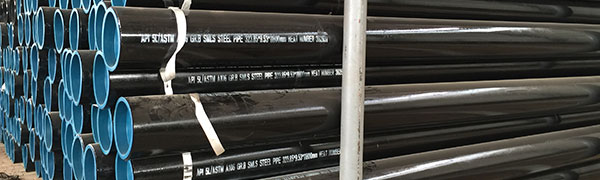
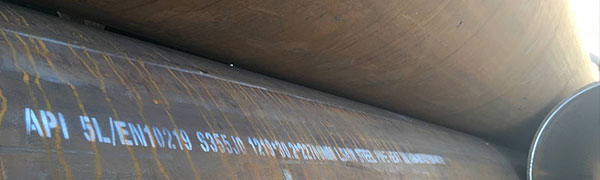


 Eastern Steel Manufacturing Co.,Ltd not only improve product production and sales services, but also provide additional value-added services. As long as you need, we can complete your specific needs together.