1. Quick Reference Table for Strength Grade Selection
In engineering applications, the strength grade of seamless steel pipes directly determines load-bearing capacity, service life, and operational safety. Different projects and working conditions impose significantly different requirements on material performance.
To facilitate quick decision-making for engineers and procurement professionals, the following table provides a practical reference based on typical application scenarios and loading conditions:
|
Application
|
Recommended Grades
|
Engineering Class
|
Typical OD (mm)
|
Reference Weight (kg/m)
|
Selection Notes
|
|
General industrial / structural applications
|
20# / 35# / 45#
|
B
|
8–426
|
0.4–80
|
Cost-effective with good weldability and machinability. Suitable for -20°C to 350°C
|
|
Medium to high-load structures
|
Q345 / Q390
|
C
|
12–426
|
1.0–80
|
Balanced strength and toughness. Suitable for structural and mechanical components. Temperature range: -40°C to 400°C
|
|
High-temperature or corrosive environments
|
00Cr17Ni14Mo2 (316L), 0Cr18Ni11Nb (347)
|
A
|
6–630
|
0.5–160
|
Stainless steel materials. 316L offers strong corrosion resistance (≤450°C); 347 provides superior high-temperature performance up to 650–700°C
|
|
Oil & gas pipelines (normal / low temperature)
|
API 5L X42–X80
|
C
|
12–426
|
1.2–80
|
Widely used in long-distance pipeline systems. Grade selection depends on design pressure. High resistance to pressure and fatigue
|
|
Oil & gas pipelines (high-temperature service)
|
12CrMoV / Q390
|
C
|
12–426
|
1.2–80
|
Suitable for high-temperature and high-pressure conditions (e.g., steam injection pipelines). Better creep resistance than standard carbon steel
|
|
High-pressure boilers & heat exchange systems
|
12CrMoV / 00Cr17Ni14Mo2
|
A
|
6–530
|
0.5–150
|
Designed for high-temperature, high-pressure environments. Heat-resistant alloy or stainless steel required. Maximum service temperature up to ~700°C
|
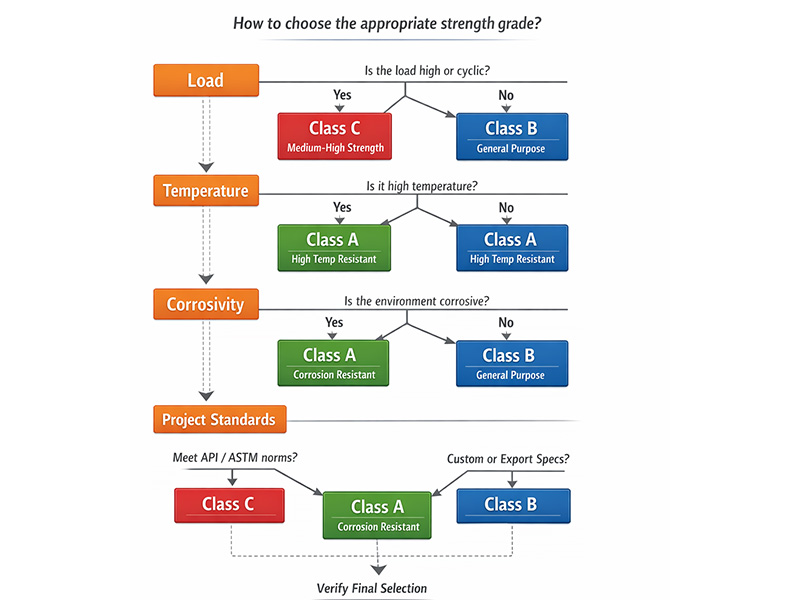
2. Overview of Seamless Steel Pipe Strength Grades
Seamless steel pipes can be broadly classified into Class A, Class B, and Class C based on their mechanical properties, chemical composition, and application requirements. Each class corresponds to distinct operating conditions and engineering scenarios.
2.1 Class A (High Strength, High-Temperature and Corrosion-Resistant)
Typical grades: 00Cr17Ni14Mo2, 0Cr18Ni11Nb, 0Cr18Ni9Ti
Key characteristics:
Excellent high-temperature resistance
Strong corrosion resistance
Good creep resistance under long-term service
Typical temperature range:
316L (00Cr17Ni14Mo2): ≤ 450°C
347 (0Cr18Ni11Nb): ≤ 700°C
Applications:
Chemical processing equipment
Heat exchangers
High-temperature steam pipelines
Critical petrochemical process lines
Engineering significance: Under high-temperature or corrosive conditions, both the weld zone and pipe wall maintain stable microstructural integrity, minimizing long-term degradation and ensuring reliable service performance.
2.2 Class B (General Industrial and Structural Applications)
Typical grades: 20#, 35#, 45#, 20G, 16MnG
Key characteristics:
Cost-effective
Good weldability and machinability
Typical temperature range:
Standard carbon steels: -20°C to 350°C
20G: suitable for boiler service up to approximately 450°C
Applications:
Structural frameworks
Mechanical supports
Low-pressure pipelines
General industrial fluid transport
Engineering significance:
Provides sufficient strength for conventional load-bearing applications while maintaining cost efficiency, making it well-suited for large-scale, standard industrial and construction projects.
2.3 Class C (Medium to High-Strength Industrial Applications)
Typical grades: Q345, Q390, 12CrMoV, API 5L X42–X80
Key characteristics:
High strength with good toughness
Capable of handling moderate to high temperature and pressure conditions
Typical temperature range:
Q345 / Q390: -40°C to 400°C
12CrMoV: up to approximately 550°C
Applications:
Long-distance oil and gas pipelines
Pressure vessels
Mechanical structural components
Engineering significance:
In medium to high-load or cyclic stress environments, Class C steels provide improved structural reliability and fatigue resistance compared to standard Class B materials.
Note: Material selection should not be based solely on strength grade. Operating temperature, corrosive media, welding requirements, and long-term loading conditions must all be considered. The temperature ranges listed above are typical engineering references; final selection should follow applicable material standards and project design specifications.
3. Detailed Parameters and Performance of Seamless Steel Pipes
In practical engineering design and material selection, knowing only the material grade is not sufficient. Key factors such as mechanical properties, dimensional range, and weight must also be taken into account.
The table below summarizes typical parameters of commonly used seamless steel pipes, providing a practical reference for evaluating their suitability under different operating conditions.
|
Strength Class
|
Grade
|
OD (mm)
|
Wall Thickness (mm)
|
Yield Strength σy (MPa)
|
Tensile Strength σb (MPa)
|
Temperature Range (°C)
|
Reference Weight (kg/m)
|
Typical Applications
|
|
A
|
00Cr17Ni14Mo2
|
6–530
|
0.5–16
|
215–275
|
510–620
|
-50 ~ 550
|
0.5–150
|
High-temperature steam lines, chemical process piping, highly corrosive media
|
|
A
|
0Cr18Ni11Nb
|
6–630
|
0.5–18
|
230–280
|
520–650
|
-50 ~ 550
|
0.5–160
|
High-temperature heat exchangers, petrochemical pipelines
|
|
B
|
20#
|
8–426
|
1.0–12
|
185–205
|
360–440
|
-20 ~ 300
|
0.4–80
|
Structural applications, low-pressure pipelines, mechanical supports
|
|
B
|
35#
|
10–426
|
1.0–14
|
205–235
|
410–490
|
-20 ~ 300
|
0.5–80
|
Industrial piping, mechanical structures, low-pressure transport
|
|
C
|
Q345
|
12–426
|
1.2–16
|
345
|
470–630
|
-20 ~ 350
|
1.0–80
|
Medium-to-high load structures, pressure pipelines, steel structures
|
|
C
|
Q390
|
12–426
|
1.2–16
|
390
|
550–650
|
-20 ~ 350
|
1.2–80
|
Oil and gas transmission, high-strength mechanical structures
|
|
C
|
12CrMoV
|
12–426
|
1.2–16
|
345–390
|
540–640
|
-20 ~ 540
|
1.5–80
|
High-temperature boiler tubes, heat exchange systems, petrochemical pipelines
|
Engineering Notes:
(1)Yield and tensile strength
The values listed above represent typical ranges or minimum requirements specified by standards. Final design should be based on applicable project standards (e.g., ASTM, GB, API) and certified mill test reports.
(2)Selection of OD and wall thickness
Pipe dimensions should be determined by considering design pressure, operating temperature, fluid characteristics, and weldability, in accordance with relevant pressure vessel or piping design codes.
(3)Temperature range
The temperature ranges provided are based on typical long-term service data. For extreme high- or low-temperature conditions, additional verification—such as creep testing or low-temperature impact testing—is required.
(4)Weight reference
The listed weights are approximate values based on common wall thickness ranges and are intended for general reference only. Actual weight should be calculated based on specific dimensions.
(5)Engineering classification
The A/B/C classification in this table corresponds to the application-based categories defined in Section 2:
Class A: High-temperature and corrosion-resistant applications
Class B: General industrial and structural applications
Class C: Medium to high-strength industrial applications
This classification is intended to support quick material screening in practical engineering scenarios.
4. Industry Application Analysis
Selecting the appropriate seamless steel pipe requires more than just reviewing material grades and parameters—it must be aligned with actual operating conditions.
The following sections analyze typical industry scenarios to illustrate how strength grades correspond to real-world applications.
4.1 Oil and Gas
(1) Operating conditions:
Long-distance pipelines, high-pressure gas or steam transmission, variable environments, often involving low- or high-temperature service.
(2) Recommended materials:
Long-distance pipelines (normal/low temperature): API 5L X42–X80
(Mainstream choice; grade selected based on design pressure)
Medium- to high-pressure gathering systems: Q345, Q390
(Commonly used for station structures and auxiliary pipelines)
High-temperature service (e.g., steam injection, thermal recovery): 12CrMoV, 15CrMoG
(Improved creep resistance under elevated temperatures)
(3)Selection logic:
API 5L grades are preferred for long-distance pipelines, with strict control over weld quality and low-temperature impact toughness
Fatigue performance must be considered under cyclic loading conditions to avoid stress concentration
Heat-resistant alloy steels or stabilized stainless steels are required in high-temperature zones
(4)Performance outcome:
Reduced risk of cracking, with improved long-term safety and operational reliability.
4.2 Chemical and Petrochemical
(1) Operating conditions:
High-temperature corrosive liquids or gases, complex process environments, with potential risks of hydrogen embrittlement or stress corrosion cracking.
(2) Recommended materials:
General corrosive environments: 304 / 304L
(Cost-effective, suitable for temperatures ≤450°C)
Severe or high-temperature corrosion: 316L, 347
(Better resistance to chlorides and high-temperature oxidation)
Special media (e.g., chloride- or acid-containing): 00Cr17Ni14Mo2 (316L) or higher-grade alloy steels
(3)Selection logic:
Emphasis on corrosion resistance and microstructural stability
Material selection should be matched to the type and severity of corrosive media
Weld zone corrosion resistance must be consistent with the base material
(4)Performance outcome:
Stable long-term performance in critical process units, reducing unplanned downtime and maintenance risks.
4.3 Boilers and Heat Exchange Systems
(1) Operating conditions:
High-temperature steam, thermal oil transport, pressure fluctuations, and long-term creep conditions.
(2) Recommended materials:
Low- to medium-pressure boilers: 20G
(Economical and practical, suitable up to ~450°C)
Medium- to high-pressure boilers: 15CrMoG
(Cr-Mo alloy steel, suitable up to ~550°C)
High-pressure / ultra-high-pressure boilers: 12Cr1MoVG
(High creep strength, suitable up to ~580°C)High-temperature corrosive environments: 347, 316L
(Heat-resistant stainless steels)
(3)Selection logic:
Focus on creep resistance and high-temperature tensile strength
Wall thickness must account for both pressure rating and thermal expansion stresses
Microstructural stability in welded areas is a key design consideration
(4)Performance outcome:
Enhanced system safety, extended service life, and reduced maintenance frequency.
4.4 Structural and General Industrial Applications
(1) Operating conditions:
Low-pressure pipelines, structural supports, cooling water systems, and mechanical frameworks.
(2) Recommended materials:
20#, 35#, Q345
(3) Selection logic:
Moderate strength requirements with good weldability and ease of fabrication
Cost-effective and suitable for large-scale projects
For low-temperature environments, low-alloy steels such as Q345D/E can be considered
(5)Performance outcome:
Easy installation and fabrication, meeting the load requirements of general industrial and structural applications.
Key Notes:Material selection in engineering should always be based on a combination of operating temperature, pressure, corrosive media, and welding requirements, rather than relying solely on nominal strength grade.
(1)For high-load, high-temperature, or corrosive environments, Class A or Class C materials are generally preferred
(2)For low-load and standard industrial applications, Class B materials are typically sufficient
Combining parameter tables with application scenarios allows for faster and more accurate material selection.
For projects involving high temperature, high pressure, or export requirements, it is recommended to verify material parameters and standards at the early selection stage to minimize risks during fabrication, installation, and delivery.
5. Access More Selection Data and Technical Support
For further verification of dimensions, weight calculations, or standard compliance, the following resources may be helpful:
Seamless Pipe Sizes
Pipe Weight Calculation
Applicable Standards (API 5CT / ASTM A106)
For project-specific selection or technical support, you can contact us directly by providing key operating parameters such as pressure, temperature, medium, and required dimensions. This will allow us to recommend a more tailored and reliable solution.



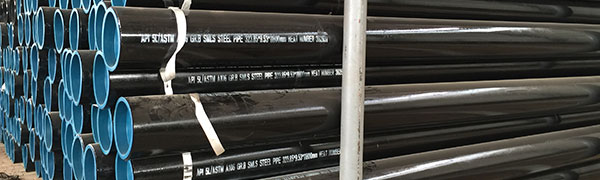
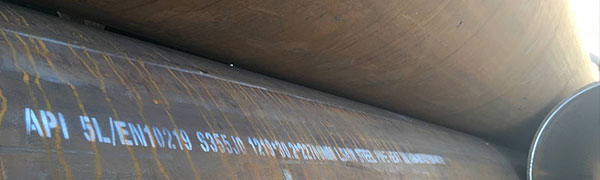
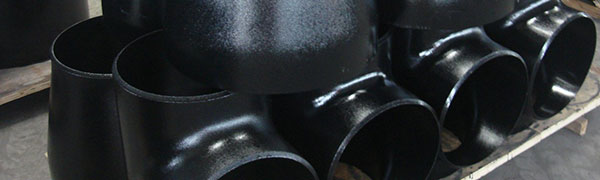
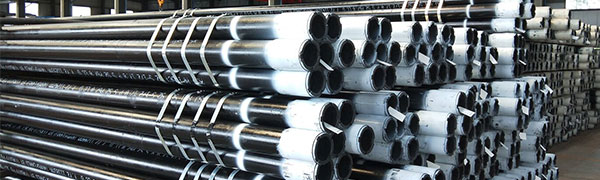
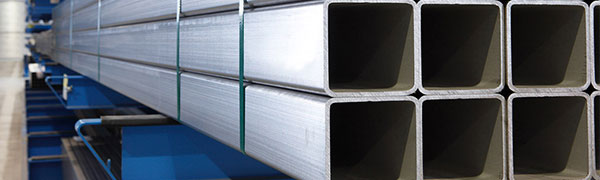


 Eastern Steel Manufacturing Co.,Ltd not only improve product production and sales services, but also provide additional value-added services. As long as you need, we can complete your specific needs together.