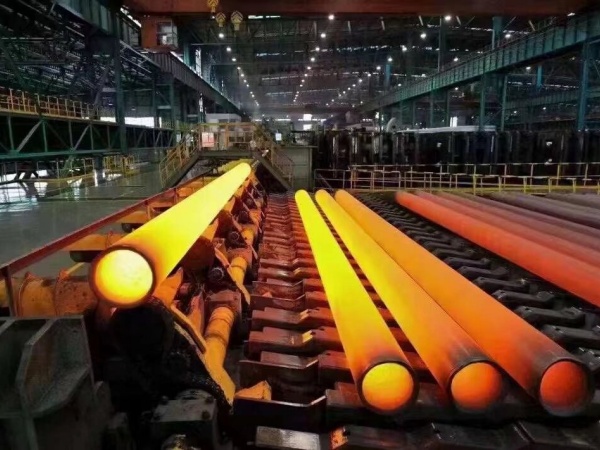
Find the weight per meter of rectangular steel tubes based on size and wall thickness.
This rectangular tube weight chart provides theoretical weight per meter (kg/m) for common RHS and HSS steel tube sizes.
You can also use the rectangular tube weight formula to calculate custom dimensions, convert weight to lb/ft, and estimate total steel weight for fabrication, transportation, and structural applications.
All weights are theoretical values for carbon steel (density ≈ 7.85 g/cm³).
1. Rectangular Tube Weight Chart
Common sizes: 50×25 | 60×30 | 80×40| 100×50 | 120×60| 150×100 | 200×100
50 × 25 mm Rectangular Tube Weight (kg/m)
|
Thickness (mm)
|
Weight (kg/m)
|
|
1.2
|
1.37
|
|
1.5
|
1.70
|
|
2.0
|
2.24
|
|
2.5
|
2.75
|
60 × 30 mm Rectangular Tube Weight (kg/m)
|
Thickness (mm)
|
Weight (kg/m)
|
|
1.5
|
2.18
|
|
2.0
|
2.86
|
|
2.5
|
3.53
|
|
3.0
|
4.17
|
80 × 40 mm Rectangular Tube Weight (kg/m)
|
Thickness (mm)
|
Weight (kg/m)
|
|
2.0
|
4.77
|
|
2.5
|
5.88
|
|
3.0
|
6.96
|
|
4.0
|
9.06
|
100 × 50 mm Rectangular Tube Weight (kg/m)
|
Thickness (mm)
|
Weight (kg/m)
|
|
2.5
|
5.66
|
|
3.0
|
6.78
|
|
4.0
|
8.92
|
|
5.0
|
11.00
|
120 × 60 mm Rectangular Tube Weight (kg/m)
|
Thickness (mm)
|
Weight (kg/m)
|
|
3.0
|
8.20
|
|
4.0
|
10.80
|
|
5.0
|
13.35
|
|
6.0
|
15.85
|
150 × 100 mm Rectangular Tube Weight (kg/m)
|
Thickness (mm)
|
Weight (kg/m)
|
|
4.0
|
15.20
|
|
5.0
|
18.84
|
|
6.0
|
22.42
|
|
8.0
|
29.39
|
200 × 100 mm Rectangular Tube Weight (kg/m)
|
Thickness (mm)
|
Weight (kg/m)
|
|
4.0
|
18.34
|
|
5.0
|
22.77
|
|
6.0
|
27.13
|
|
8.0
|
35.67
|
250 × 150 mm Rectangular Tube Weight (kg/m)
|
Thickness (mm)
|
Weight (kg/m)
|
|
5.0
|
30.60
|
|
6.0
|
36.58
|
|
8.0
|
48.35
|
300 × 200 mm Rectangular Tube Weight (kg/m)
|
Thickness (mm)
|
Weight (kg/m)
|
|
6.0
|
47.10
|
|
8.0
|
62.48
|
|
10.0
|
77.50
|
2. How to Calculate Rectangular Tube Weight
The weight of a rectangular steel tube depends on the amount of steel contained within its cross-section. Since rectangular hollow sections (RHS) are not solid, the weight is determined by the steel wall area rather than the overall external dimensions.
The theoretical weight per meter can be calculated using the following formula:
W = 0.00785 × 2(B + H − 2t)t
Where:
W = theoretical weight (kg/m)
B = outside width (mm)
H = outside height (mm)
t = wall thickness (mm)
The coefficient 0.00785 is derived from the standard density of carbon steel (7.85 g/cm³), which is commonly used for structural hollow sections, ERW rectangular tubes, and HSS members.
Why Does This Formula Work?
A rectangular tube consists of an outer rectangle and an internal hollow cavity. The steel cross-sectional area can therefore be calculated as:
A = BH − (B − 2t)(H − 2t)
After simplification:
A = 2t(B + H − 2t)
Multiplying the steel area by the material density gives the theoretical weight per meter.
3. Rectangular Tube Weight Calculation Example
Suppose a rectangular steel tube has the following dimensions:
Width (B) = 100 mm
Height (H) = 50 mm
Wall thickness (t) = 3 mm
Substituting these values into the formula:
W = 0.00785 × 2(100 + 50 − 2 × 3) × 3
W = 6.78 kg/m
This means every meter of the tube weighs approximately 6.78 kg.
For a standard 6-meter length, the total theoretical weight would be:
6.78 × 6 = 40.68 kg
In practice, engineers use this calculation to estimate project tonnage, transportation weight, and material purchasing requirements before fabrication begins.
4. Convert Rectangular Tube Weight from kg/m to lb/ft
Weight charts published in Asia and Europe typically use kilograms per meter (kg/m), while many North American HSS specifications use pounds per foot (lb/ft).
To convert between the two units:
lb/ft = kg/m × 0.67197
The table below shows several common conversions.
|
Tube Size
|
Weight (kg/m)
|
Weight (lb/ft)
|
|
100 × 50 × 3 mm
|
6.78
|
4.56
|
|
120 × 60 × 4 mm
|
10.80
|
7.26
|
|
150 × 100 × 5 mm
|
18.84
|
12.66
|
|
200 × 100 × 6 mm
|
27.13
|
18.23
|
When comparing supplier quotations or international project specifications, always confirm whether the published weight is expressed in kg/m or lb/ft to avoid calculation errors.
5. Theoretical Weight vs Actual Weight
The weights shown in this chart are theoretical values calculated using the standard carbon steel density of 7.85 g/cm³.
In actual production, the measured weight of a rectangular steel tube may vary slightly due to:
- Wall thickness tolerance
- Corner radius geometry
- Manufacturing process (ERW or seamless)
- Steel density variations
- Length measurement tolerance
For most structural steel tubes, the difference between theoretical and actual weight is typically within ±3% to ±5%.
When purchasing steel tubes by tonnage, actual shipping weight should always take precedence over theoretical calculations.
6. Applications of Rectangular Steel Tubes
Rectangular steel tubes are widely used in structural frames, construction supports, and fabrication projects due to their high strength-to-weight ratio and efficient load distribution.
In structural applications, they are commonly used for frames, columns, and load-bearing supports where stability and rigidity are required.
Their predictable weight per meter is critical for load calculations, material estimation, and transportation planning, making accurate weight data essential in engineering and procurement.
7. Extended Size Reference Table
For less common rectangular tube sizes, the table below provides theoretical weight per meter based on standard carbon steel density (7.85 g/cm³).
|
Size (mm)
|
Thickness (mm)
|
Weight (kg/m)
|
|
50×25
|
1.2
|
1.37
|
|
50×25
|
1.5
|
1.70
|
|
50×30
|
2.5
|
2.94
|
|
50×30
|
3.0
|
3.49
|
|
50×30
|
4.0
|
4.52
|
|
60×30
|
2.5
|
3.34
|
|
60×30
|
3.0
|
3.96
|
|
60×30
|
4.0
|
5.15
|
|
60×40
|
2.5
|
3.73
|
|
60×40
|
3.0
|
4.43
|
|
60×40
|
4.0
|
5.78
|
|
70×50
|
3.0
|
5.37
|
|
70×50
|
4.0
|
7.03
|
|
70×50
|
5.0
|
8.64
|
|
80×40
|
2.5
|
4.51
|
|
80×40
|
3.0
|
5.37
|
|
80×40
|
4.0
|
7.03
|
|
80×40
|
5.0
|
8.64
|
|
80×60
|
3.0
|
6.31
|
|
80×60
|
4.0
|
8.29
|
|
80×60
|
5.0
|
10.21
|
|
90×40
|
3.0
|
5.84
|
|
90×40
|
4.0
|
7.66
|
|
90×40
|
5.0
|
9.42
|
|
90×50
|
3.0
|
6.31
|
|
90×50
|
4.0
|
8.29
|
|
90×50
|
5.0
|
10.21
|
|
90×60
|
3.0
|
6.78
|
|
90×60
|
4.0
|
8.92
|
|
90×60
|
5.0
|
10.99
|
|
100×50
|
3.0
|
6.78
|
|
100×50
|
4.0
|
8.92
|
|
100×50
|
5.0
|
10.99
|
|
120×60
|
3.0
|
8.20
|
|
120×60
|
4.0
|
10.80
|
|
120×60
|
5.0
|
13.35
|
|
120×60
|
6.0
|
15.83
|
|
120×80
|
3.0
|
9.14
|
|
120×80
|
4.0
|
12.06
|
|
120×80
|
5.0
|
14.92
|
|
120×80
|
6.0
|
17.71
|
|
140×80
|
4.0
|
13.31
|
|
140×80
|
5.0
|
16.48
|
|
140×80
|
6.0
|
19.59
|
|
150×100
|
4.0
|
15.2
|
|
150×100
|
5.0
|
18.84
|
|
150×100
|
6.0
|
22.42
|
|
150×100
|
8.0
|
29.39
|
|
160×80
|
4.0
|
14.57
|
|
160×80
|
5.0
|
18.05
|
|
160×80
|
6.0
|
21.48
|
|
160×80
|
8.0
|
28.13
|
|
180×100
|
4.0
|
17.08
|
|
180×100
|
5.0
|
21.20
|
|
180×100
|
6.0
|
25.25
|
|
180×100
|
8.0
|
33.16
|
|
200×100
|
4.0
|
18.34
|
|
200×100
|
5.0
|
22.77
|
|
200×100
|
6.0
|
27.13
|
|
200×100
|
8.0
|
35.67
|
8. Related Resources
For more details on sizes, specifications, and material selection, you may find the following resources useful:
- Square Tube Weight Chart – weight reference for square hollow sections
- Steel Pipe Weight Chart – general weight data for Carbon pipes
- ERW vs Seamless Pipe – differences in manufacturing and applications
- What is RHS Steel – basic introduction to rectangular hollow sections





 Eastern Steel Manufacturing Co.,Ltd not only improve product production and sales services, but also provide additional value-added services. As long as you need, we can complete your specific needs together.