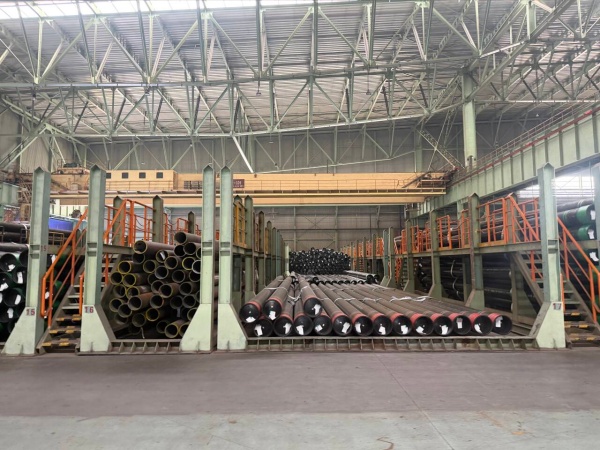
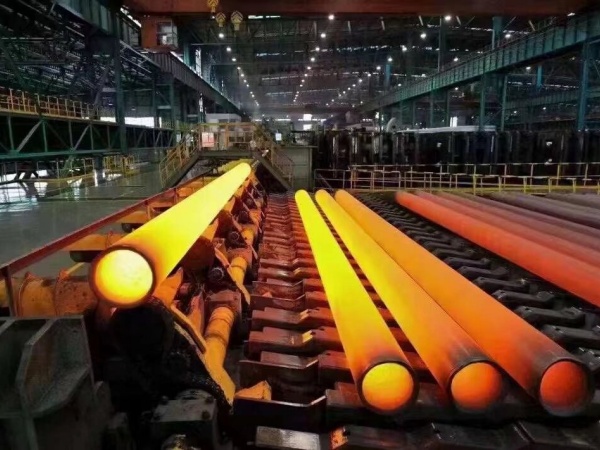
In many industrial projects, the choice between galvanized steel pipe vs carbon steel pipe depends on service environment, fabrication requirements, and maintenance expectations.
In general:
|
Factor
|
Carbon Steel Pipe
|
Galvanized Steel Pipe
|
|
Corrosion Resistance
|
Lower
|
Higher
|
|
Outdoor Use
|
Limited without coating
|
Better for outdoor environments
|
|
Cost
|
Usually lower
|
Usually higher
|
|
Weldability
|
Easier
|
Zinc coating must be removed before welding
|
|
Lifespan in Humid Areas
|
Shorter
|
Longer
|
|
Common Applications
|
Oil & gas, structural systems
|
Water supply, outdoor piping, fencing
|
1. What Is Carbon Steel Pipe?
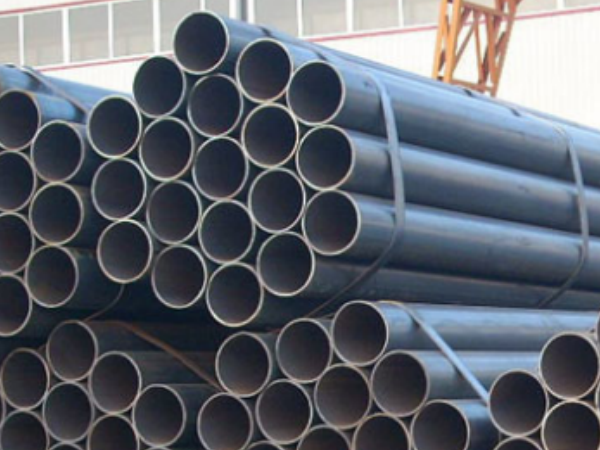
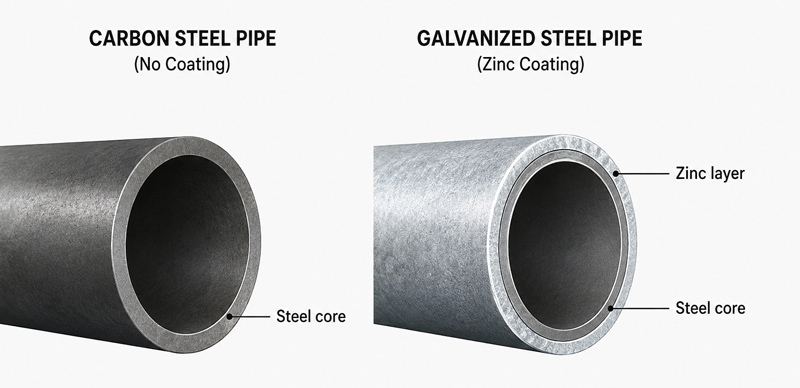
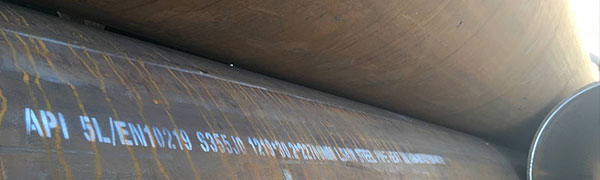
Carbon steel pipe is a steel pipe manufactured primarily from iron and carbon without a protective zinc coating on the surface.
It is widely used in industrial piping and structural applications because it combines high strength with relatively low cost.
In many industrial systems, additional coatings or external corrosion protection may be applied when the pipe is exposed to moisture or corrosive environments.
2. What Is Galvanized Steel Pipe?
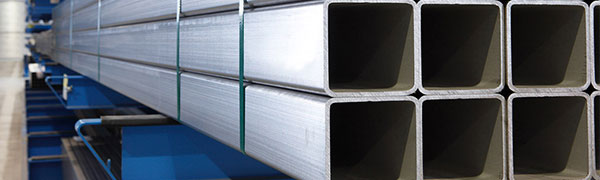
Galvanized steel pipe is carbon steel pipe protected with a zinc coating to improve corrosion and rust resistance.
The zinc layer is typically applied through a hot-dip galvanizing process, creating a protective barrier between the steel surface and the surrounding environment.
It is commonly used for outdoor structures, water systems, fencing, and other applications exposed to moisture.
3. Key Differences Pipe Between Carbon Steel vs Galvanized Steel
3.1 Corrosion Resistance
Galvanized steel pipe is coated with zinc to improve corrosion resistance in wet, outdoor, and humid environments.
In humid or outdoor service conditions, the zinc coating helps reduce direct exposure between the steel surface and moisture, slowing surface corrosion during long-term use.
When exposed to water, humidity, or corrosive environments for long periods, the steel surface may rust unless additional coatings, paint systems, or corrosion protection methods are applied.
3.2 Strength
Carbon steel pipe is generally preferred for high-pressure and heavy-duty industrial systems where strength and pressure capacity are important.
Galvanized steel pipe is more commonly selected for applications where corrosion resistance is a higher priority than maximum mechanical strength.
3.3 Cost
Carbon steel pipe is usually cheaper at the initial material purchase stage because it does not require an additional zinc coating process.
Galvanized steel pipe normally has a higher upfront cost, but it may reduce long-term maintenance and repainting expenses in outdoor environments.
For detailed pricing factors, pipe schedules, and market cost differences, see:
Carbon Steel Pipe vs Galvanized Steel Pipe Price: Cost Comparison Guide
3.4 Weldability
Carbon steel pipe is generally easier to weld and fabricate.
Galvanized steel pipe can also be welded, but the zinc coating near the weld area usually needs to be removed before welding.
3.5 Outdoor Use
In outdoor installations without protective coating systems, uncoated carbon steel pipe may develop surface rust relatively quickly, increasing future maintenance requirements.
Galvanized steel pipe is generally preferred for exposed outdoor environments because the zinc coating helps reduce corrosion caused by rain, humidity, and atmospheric exposure.
3.6 Lifespan
In humid or corrosive environments, galvanized steel pipe generally provides a longer service life than uncoated carbon steel pipe.
4. Which Pipe Is Better for Different Applications?
In many industrial systems, galvanized steel pipe is selected for corrosion protection, while carbon steel pipe is preferred for strength, pressure capacity, and lower initial cost.
|
Application
|
Recommended Pipe
|
Main Reason
|
|
Outdoor piping
|
Galvanized Steel Pipe
|
Better corrosion resistance in exposed environments
|
|
Water supply systems
|
Galvanized Steel Pipe
|
Improved protection against moisture and rust
|
|
Structural indoor applications
|
Carbon Steel Pipe
|
Lower material cost and easier fabrication
|
|
Oil & gas pipelines
|
Carbon Steel Pipe
|
Better suited for high-pressure service
|
|
Mechanical systems
|
Carbon Steel Pipe
|
Higher strength and weldability
|
|
Agricultural projects
|
Galvanized Steel Pipe
|
Better performance in wet environments
|
|
Fencing and handrails
|
Galvanized Steel Pipe
|
Reduced maintenance in outdoor service
|
|
Industrial fabrication
|
Carbon Steel Pipe
|
Easier cutting, welding, and processing
|
For projects exposed to rain, humidity, or outdoor conditions, galvanized steel pipe is usually the more durable option. For high-pressure industrial systems or applications requiring extensive welding and fabrication, carbon steel pipe is often the preferred choice.
5. FAQs
Q1. Does galvanized pipe need surface treatment before welding?
Yes, but the zinc coating near the weld area usually needs to be removed before welding because zinc fumes may affect weld quality and safety.
Q2. Does galvanized pipe require less maintenance outdoors?
In many outdoor applications, galvanized pipe usually requires less repainting and surface maintenance than uncoated carbon steel pipe.
Q3. Why is galvanized steel pipe more expensive?
The additional hot-dip galvanizing process increases manufacturing cost, but it may help reduce long-term corrosion protection expenses.
6. Conclusion
When comparing galvanized steel pipe vs carbon steel pipe, the most important factors are corrosion exposure, operating environment, fabrication requirements, and long-term maintenance expectations.
In projects exposed to moisture, rain, or corrosive service conditions, selecting the wrong pipe material may increase future maintenance, repainting, or replacement costs. Evaluating operating conditions early in the project stage can help improve service life and reduce long-term operating expenses.
For project pricing, material availability, or application-based pipe selection support, contact our team for technical recommendations and quotation assistance.



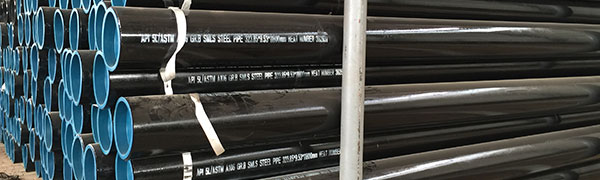


 Eastern Steel Manufacturing Co.,Ltd not only improve product production and sales services, but also provide additional value-added services. As long as you need, we can complete your specific needs together.