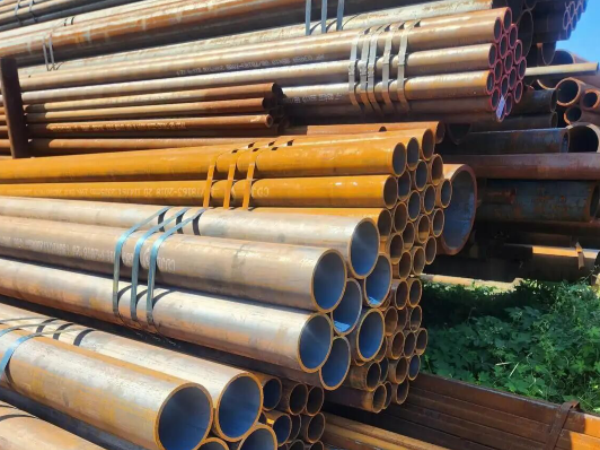
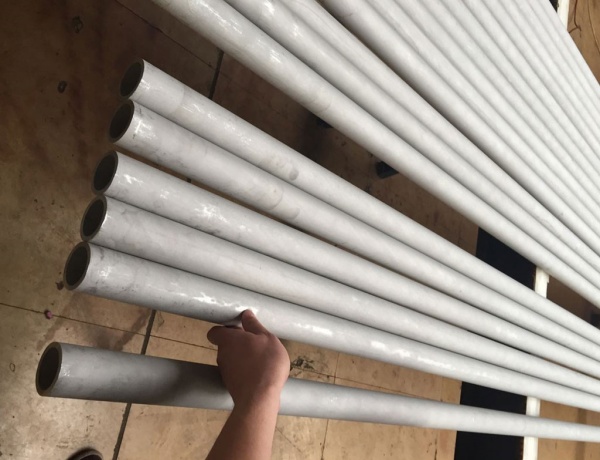
Seamless pipe is generally 20%–40% more expensive than welded pipe of the same material and size, although the price difference can exceed 80% for thick-wall, alloy, or small-quantity orders.
The main reasons are manufacturing complexity, raw material utilization, production efficiency, inspection requirements, and market availability.
1. Seamless Pipe vs Welded Pipe Price Comparison
The table below summarizes the key cost differences between seamless and welded pipe.
|
Cost Factor
|
Seamless Pipe
|
Welded Pipe
|
|
Typical Purchase Price
|
Highest
|
Lowest
|
|
Typical Price Difference
|
Baseline
|
20–40% Lower
|
|
Manufacturing Cost
|
High
|
Low
|
|
Raw Material Cost
|
High (Solid Billet)
|
Lower (Coil / Plate)
|
|
Production Efficiency
|
Lower
|
Higher
|
|
Scrap Rate
|
Higher
|
Lower
|
|
Inspection Cost
|
Higher
|
Lower
|
|
Lead Time
|
Longer
|
Shorter
|
|
Large-Diameter Cost
|
Very High
|
More Economical
|
|
Small-Batch Cost
|
Higher
|
Lower
|
|
Typical Best Choice
|
High-Pressure Service
|
Standard Industrial Service
|
Note: Welded pipe includes ERW, LSAW, and SSAW. Their prices differ depending on manufacturing process, pipe size, and application. The following sections explain these cost drivers in more detail.
2. Why Is Seamless Pipe More Expensive?
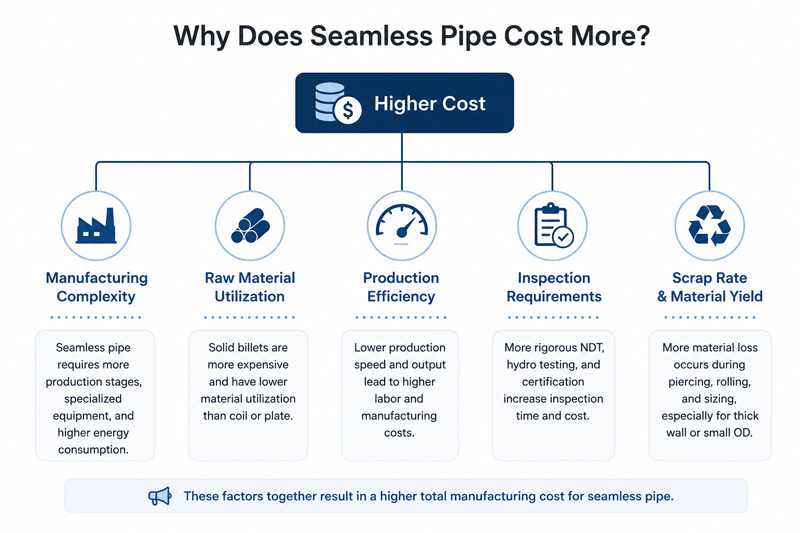
The table below summarizes the primary cost drivers behind seamless pipe pricing.
|
Cost Driver
|
Impact on Seamless Pipe
|
Impact on Welded Pipe
|
|
Raw Material
|
High – Requires Solid Billet
|
Lower – Uses Steel Coil or Plate
|
|
Manufacturing Process
|
Multi-Stage Hot Rolling, Piercing, and Heat Treatment
|
Forming and Welding with Higher Production Efficiency
|
|
Production Yield
|
Lower
|
Higher
|
|
Equipment Investment
|
Higher
|
Lower
|
|
Quality Inspection
|
Hydrostatic, UT, ET, and Dimensional Inspection
|
Depends on Product Type and Standard
|
|
Production Volume
|
Lower
|
Higher
|
|
Delivery Time
|
Longer
|
Shorter
|
|
Large-Diameter Availability
|
Limited
|
Excellent
|
2.1 Manufacturing Process
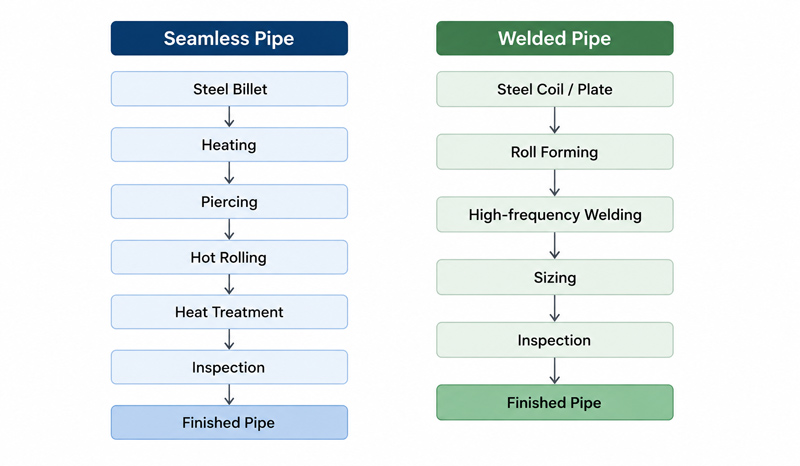
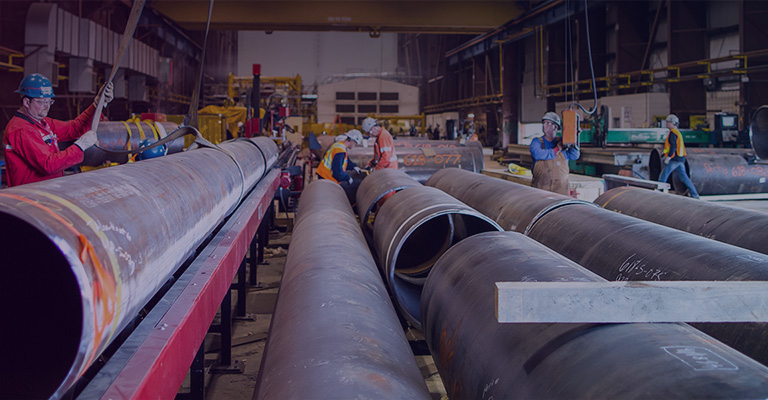
Seamless pipe production includes billet heating, piercing, elongation, sizing, heat treatment and inspection.
Welded pipe is produced by forming steel strip and welding the seam continuously, resulting in higher efficiency and lower cost.
2.2 Raw Material Utilization
Seamless steel pipe starts with a solid steel billet, while welded pipe is produced from steel coil or plate. Billets require additional steelmaking and rolling processes before pipe production even begins, resulting in a higher raw material cost. During piercing, part of the billet is removed to create the hollow section, further reducing material yield.
2.3 Production Efficiency
Welded pipe is manufactured on continuous production lines with high output and short cycle times.
Seamless pipe is produced batch by batch through multiple forming and heat treatment processes, making production slower and labor costs higher. Because production capacity is lower, fixed manufacturing costs are distributed across fewer finished pipes, increasing the cost per ton.
2.4 Inspection Requirements
Because seamless pipe is frequently used in high-pressure and critical service applications, inspection requirements are often more stringent.
Hydrostatic testing, ultrasonic testing (UT), eddy current testing (ET), and additional certification may all be required depending on the specification, increasing both manufacturing time and inspection costs.
2.5 Material Yield and Scrap Rate
Material loss is another hidden cost.
Piercing, trimming, and dimensional correction generate more scrap during seamless pipe production than welded pipe manufacturing. Material loss becomes more significant for thick-wall, small-diameter, and alloy steel pipes, where raw material represents a larger proportion of the total manufacturing cost.
3. When Is Seamless Pipe Worth the Higher Cost?
3.1 High-Pressure Service
As operating pressure increases, pipe integrity becomes more critical. Because seamless pipe has no longitudinal weld, stress is distributed more uniformly around the pipe wall, reducing the risk of weld-related failure.
3.2 High-Temperature Service
Elevated temperatures reduce the mechanical strength of steel and increase thermal stress. In these conditions, seamless pipe generally provides better long-term reliability, particularly for alloy steel grades used in power generation and refinery services.
Typical standards include ASTM A106, ASTM A335 and boiler tube specifications.
3.3 Total Cost of Ownership
Pipe purchase price is only one component of the total cost of ownership. Installation, maintenance, inspection, downtime, and replacement costs often exceed the initial material cost over the service life of a pipeline. In critical applications, paying more for seamless pipe can reduce lifecycle costs by improving reliability and minimizing unexpected failures.
3.4 When Welded Pipe Is the Smarter Choice
For many structural applications, low-pressure pipelines, water transmission systems, and large-diameter projects, welded pipe offers excellent performance at a substantially lower cost.
The table below summarizes the most economical pipe choice for common engineering priorities.
|
Project Priority
|
Recommended Pipe
|
Reason
|
|
High-Pressure Service
|
Seamless Pipe
|
No Longitudinal Weld
|
|
High-Temperature Service
|
Seamless Pipe
|
Better Long-Term Reliability
|
|
Pressure Vessel & Boiler Service
|
Seamless Pipe
|
Meets Demanding Safety Requirements
|
|
Structural Applications
|
ERW Pipe
|
Lowest Manufacturing Cost
|
|
Water Transmission
|
LSAW Pipe
|
Cost-Effective for Medium to Large Diameters
|
|
Large-Diameter Pipeline
|
SSAW Pipe
|
Lowest Cost for Large OD Pipe
|
|
Lowest Initial Investment
|
ERW Pipe (Where Applicable)
|
Lowest Purchase Price
|
|
Lowest Lifecycle Cost
|
Seamless Pipe
|
Higher Reliability and Longer Service Life
|
Key Takeaways
· Seamless pipe typically costs 20–40% more than welded pipe.
· Manufacturing complexity is the primary reason for the price premium.
· Thick-wall, alloy, and small-batch orders increase costs further.
· ERW, LSAW, and SSAW pipe offer better value for many standard applications.
· Select the pipe based on operating conditions and lifecycle cost—not purchase price alone.
4. FAQs
Q1. Why is seamless pipe more expensive than welded pipe?
Seamless pipe requires solid billets, more manufacturing steps, stricter inspection, and lower production efficiency. These factors make it typically 20–40% more expensive than welded pipe.
Q2. Is seamless pipe always worth the higher price?
No. Seamless pipe is preferred for high-pressure, high-temperature, and critical applications. For many standard industrial projects, ERW, LSAW, or SSAW pipe provides a more economical solution.
Q3. Which welded pipe is the most economical?
In most cases, ERW pipe offers the lowest purchase cost, while LSAW and SSAW become more economical for larger diameters.
Q4. What factors affect seamless pipe price?
The largest cost drivers are material grade, wall thickness, manufacturing process, pipe size, inspection requirements, and order quantity.
Q5. Does wall thickness affect seamless pipe price?
Yes. Higher schedules such as SCH 80, SCH 160, and XXS require more steel and additional processing, making them significantly more expensive than SCH 40.
Q6. Which pipe is cheaper for large diameters?
Welded pipe is generally more economical for large-diameter applications. LSAW and SSAW pipes offer lower manufacturing costs and better availability, while seamless pipe is typically reserved for high-pressure or critical service.
Read more:
Seamless Steel Pipe Price per Ton (2026) – API 5L, ASTM A106 and ERW vs Seamless Pipe Cost Comparison





 Eastern Steel Manufacturing Co.,Ltd not only improve product production and sales services, but also provide additional value-added services. As long as you need, we can complete your specific needs together.