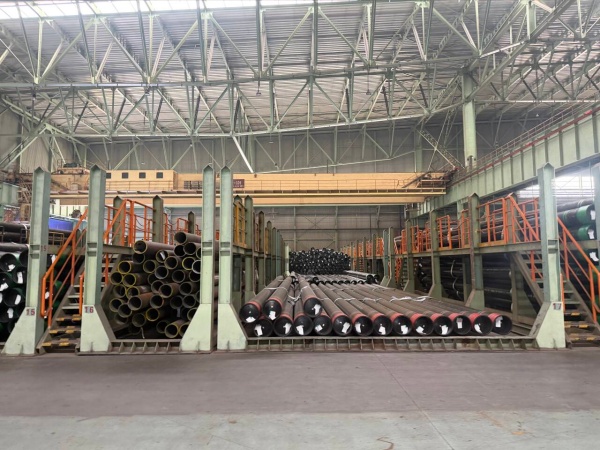
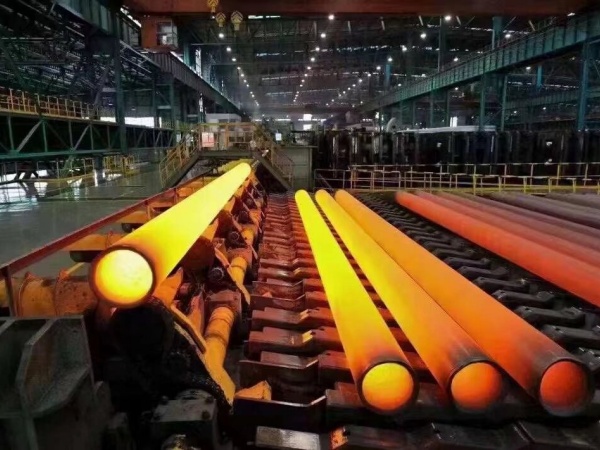
1. What Is API Seamless Steel Pipe?
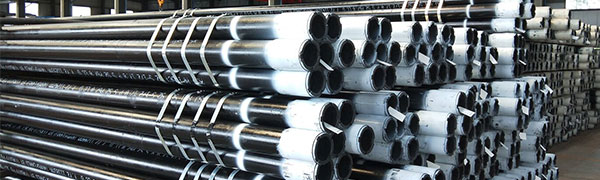
API seamless steel pipe is manufactured according to API specifications and widely used in oilfield service, energy transportation, pressure service, and industrial piping applications.
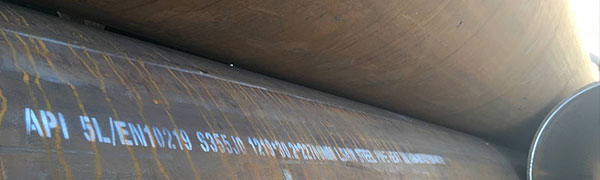
For many buyers, API 5L is one of the most commonly referenced specifications when discussing API seamless pipe for transmission and energy infrastructure projects.
This is largely because API seamless pipe is widely used in pressure-service and energy infrastructure applications where grade selection, wall thickness, and long-term service reliability are critical.
Seamless construction is often preferred when the application calls for higher pressure capability, uniform wall section, or more demanding service conditions along the pipeline.
2. API Standards for Seamless Steel Pipe
Several API specifications apply to seamless steel pipe, but in actual supply work, two standards appear far more often than the others.
2.1 API 5L — Line Pipe
API 5L is one of the primary specifications used for seamless and welded steel pipe in oil and gas transportation, energy infrastructure, and pressure-service systems.For seamless pipe, API 5L is the specification most commonly seen in pipeline systems, transmission lines, and oilfield gathering networks.
Grades such as Gr.B, X42, X52, X60, X65, and X70 are widely used depending on pressure level, pipeline design, and required yield strength.
2.2 API 5CT — Casing and Tubing
If the pipe is intended for downhole service rather than surface transmission, the more relevant specification is API 5CT.
API 5CT covers casing and tubing used in oil and gas wells, where the pipe must deal with internal pressure, external collapse resistance, and more severe operating conditions than ordinary line transport.
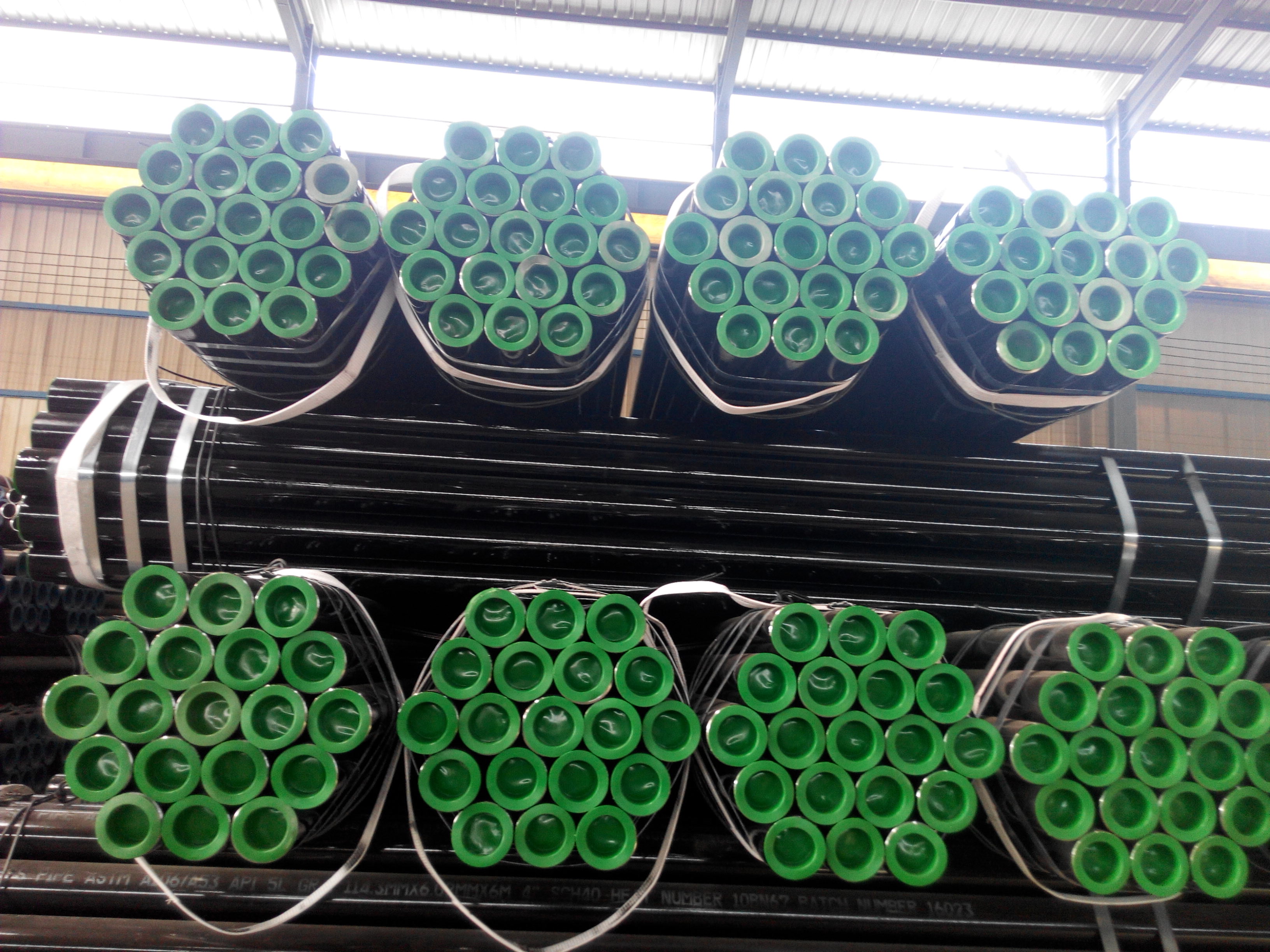
3. Common Grades of API Seamless Pipe
In API seamless pipe supply, grade selection usually follows the required yield strength, pipeline design pressure, and the service conditions of the project.
For most line pipe applications under API 5L, the grades below are the ones most commonly specified.
|
Grade
|
Typical Use
|
|
Gr.B
|
A widely used general-purpose grade for oil, gas, and water transmission lines
|
|
X42
|
Common in lower to medium pressure pipeline service
|
|
X52
|
One of the most widely used grades for transmission and gathering systems
|
|
X60
|
Often selected where higher pressure or improved strength is required
|
|
X65
|
Used in more demanding pipeline projects with higher strength requirements
|
|
X70
|
Applied in long-distance transmission systems where higher yield strength is part of the design
|
In actual projects, grade selection usually depends on pressure level, wall thickness requirement, service environment, and overall pipeline design. For many standard pipeline applications, Gr.B and X52 remain among the most commonly supplied grades because they offer a practical balance between availability, performance, and cost.
4. Available Sizes and Wall Thickness
API seamless steel pipe is available in various outside diameters and wall thicknesses to match different pressure classes and service requirements.The table below shows several commonly supplied API seamless pipe sizes used in oil and gas pipeline service.
|
Outside Diameter (OD)
|
Typical Wall Thickness Range
|
Common Wall Options
|
|
21.3 mm (1/2")
|
2.7 – 7.5 mm
|
Sch 40, Sch 80, Sch 160
|
|
33.4 mm (1")
|
3.4 – 9.1 mm
|
Sch 40, Sch 80, Sch 160
|
|
48.3 mm (1-1/2")
|
3.7 – 10.2 mm
|
Sch 40, Sch 80, Sch 160
|
|
60.3 mm (2")
|
3.9 – 11.1 mm
|
Sch 40, Sch 80, Sch 160
|
|
88.9 mm (3")
|
5.5 – 15.2 mm
|
Sch 40, Sch 80, Sch 160
|
|
114.3 mm (4")
|
6.0 – 17.1 mm
|
Sch 40, Sch 80, Sch 120, Sch 160
|
|
168.3 mm (6")
|
7.1 – 21.9 mm
|
Sch 40, Sch 80, Sch 120, Sch 160
|
|
219.1 mm (8")
|
8.2 – 23.0 mm
|
Sch 40, Sch 80, Sch 120, Sch 160
|
|
273.1 mm (10")
|
9.3 – 28.6 mm
|
Sch 40, Sch 80, Sch 120, Sch 160
|
|
323.8 mm (12")
|
10.3 – 33.3 mm
|
Sch 40, Sch 80, Sch 120, Sch 160
|
In practice, required wall thickness usually depends on operating pressure, transported medium, corrosion allowance, and the mechanical requirements of the pipeline system.
For larger diameter or heavier wall applications, seamless pipe is often selected where more demanding pressure conditions or service reliability are part of the design requirement.
5. API Seamless Pipe Applications
API seamless steel pipe is widely used in energy, industrial, and pressure-service applications where pressure containment, material consistency, and long-term operating reliability are required.
In most projects, the application usually determines not only the required grade, but also the wall thickness, outside diameter, and whether seamless construction is preferred.
5.1 Oil Transmission
API seamless pipe is widely used in crude oil transportation, gathering systems, and upstream field transfer lines where stable pressure performance and wall integrity are important.
In oil transmission service, factors such as crude oil viscosity, transportation distance, operating temperature, and long-term reliability often influence pipe grade and wall thickness selection.
For gathering networks and cross-region transportation systems, seamless pipe is commonly selected where heavier wall sections or more demanding service conditions are involved.
5.2 Gas Transmission
In natural gas transmission systems, API seamless pipe is often specified for higher-pressure service where material consistency and leak resistance are critical.
Compared with many liquid transport systems, gas pipelines usually operate under stricter pressure-control requirements, making yield strength, wall thickness, and weld integrity more sensitive design factors.
For certain long-distance or high-pressure transmission projects, seamless pipe may be preferred where additional structural reliability or heavier wall capability is required.
5.3 Water Pipeline
API seamless steel pipe is also used in industrial water handling systems, utility infrastructure, and process-service piping where durability and wall thickness selection remain important considerations.
In these systems, wall thickness is often selected based on operating pressure, corrosion allowance, and expected service life.
5.4 Onshore and Offshore Pipeline Systems
API seamless pipe is used in both onshore and offshore energy infrastructure projects where operating conditions can vary significantly.
Offshore applications often involve stricter requirements related to corrosion resistance, external loading, and long-term service reliability under harsh environmental conditions.
For onshore transmission networks and field gathering systems, pipe selection is usually influenced by pressure rating, transportation distance, terrain conditions, and construction efficiency.
6. API 5L Seamless Pipe vs Welded Line Pipe
Both seamless and welded steel pipe are widely used under API 5L, but the selection is usually based on project requirements.
API 5L seamless pipe is produced from solid steel billet and formed into a hollow section without a welded seam.
Because there is no longitudinal weld, seamless pipe is often selected for applications involving higher pressure service, heavier wall sections, or more demanding operating conditions.
API 5L welded line pipe is produced by forming steel plate or coil into pipe and welding the seam.
For larger volume pipeline projects, welded line pipe is widely used because it offers good dimensional consistency and is often more economical in larger diameter supply.
In larger OD projects, welded line pipe is often preferred because it is more practical for high-volume production and delivery.
For heavier wall or more demanding service conditions, seamless pipe may still be preferred depending on the operating requirements of the system.
|
Factor
|
API 5L Seamless Pipe
|
API 5L Welded Line Pipe
|
|
Manufacturing
|
Produced from solid billet
|
Produced from steel plate or coil
|
|
Weld seam
|
No longitudinal weld seam
|
Longitudinal welded seam
|
|
Common OD range
|
Often used in smaller to medium OD sizes
|
Widely used in larger OD applications
|
|
Heavy wall capability
|
Commonly preferred for heavier wall sections
|
Depends on forming and welding process
|
|
Delivery & availability
|
May involve longer manufacturing lead time in some sizes
|
Often easier for large-volume production
|
|
Project economics
|
Typically higher production cost
|
Usually more economical in larger diameter projects
|
Ultimately, the selection usually depends on the service environment, design pressure, diameter requirement, project schedule, and overall procurement strategy.
7. Related API Pipe Specifications and Selection References
In most projects, selecting API seamless pipe usually leads to a more specific specification, grade, or service requirement.
For line pipe applications, these pages may help narrow down the next step:
- API 5L specification overview — a practical starting point for general line pipe requirements
- API 5L Grade B seamless pipe — commonly used for standard oil, gas, and water transmission service
- API 5L PSL1 seamless pipe — useful when project specifications require PSL classification
- API 5L vs ASTM A106 — often reviewed when comparing line pipe and pressure-service pipe selection
If the pipe is intended for casing, tubing, or downhole service, the relevant specification usually shifts toward API 5CT rather than API 5L.
8. FAQs
Q1. Is API seamless pipe usually API 5L or API 5CT?
For most pipeline transmission applications, API seamless pipe usually refers to API 5L.
If the pipe is intended for transporting oil, gas, or water through gathering lines or transmission systems, API 5L is normally the relevant specification.
When the pipe is used for casing, tubing, or downhole service, the specification usually shifts toward API 5CT.
Q2. What is the difference between API 5L Grade B and X52?
Grade B is widely used for standard pipeline service and remains one of the most common choices for general oil, gas, and water transmission.
X52 provides higher minimum yield strength and is often specified when pipeline design requires higher pressure capability or longer transmission distance.
Q3. When should API seamless pipe be selected instead of welded line pipe?
API seamless pipe is often preferred when the project involves heavier wall thickness, higher pressure service, or stricter reliability requirements.For many standard transmission projects, welded line pipe is also widely used.
Q4. How do I choose wall thickness for API seamless pipe?
Wall thickness is usually determined by the design pressure, transported medium, corrosion allowance, and the expected service life of the pipeline.
In practical projects, wall thickness is often one of the first parameters checked because it directly affects pressure capability and long-term operating reliability.
For higher pressure service or more demanding environments, heavier wall sections are commonly specified.
Q5. Is API 5L or ASTM A106 better for pipeline service?
For oil, gas, and water transmission lines, API 5L is usually the more common starting point.
ASTM A106 is more often used for high-temperature pressure service, process piping, and industrial plant applications.
9. Conclusion
API seamless steel pipe is widely used across oilfield service, energy transportation, industrial piping, and pressure-service applications where material strength, wall thickness control, and long-term reliability are important.
For most projects, the selection usually comes down to a practical combination of API specification, grade, outside diameter, and wall thickness.
Whether the application involves crude oil transmission, gas pipeline service, water transport, or onshore and offshore pipeline systems, the right pipe is usually the one that matches the operating conditions of the project — not simply the one with the highest grade.
Read more: Seamless Steel Pipe Weight Calculator (Formula & Chart) and Production Process of Seamless Steel Pipe



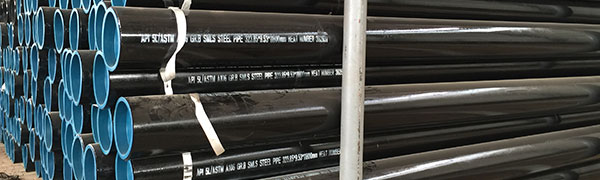


 Eastern Steel Manufacturing Co.,Ltd not only improve product production and sales services, but also provide additional value-added services. As long as you need, we can complete your specific needs together.